
Shop Valley Dreams Streetwear Now Valley Joggers

Vale Forever 2025: Release Calendar, Sizing Manual, and Build Review

This reference explains how Vale Forever approaches 2025 releases, how the brand’s oversized silhouettes fit in real life, plus what quality markers you’ll find from the label’s sustainable approach. It’s designed for buyers who seek useful, decision-ready information instead of vague hype.

Vale Forever sits at the intersection of urban culture and premium construction, blending clean aesthetics, subdued palettes, and high-end elements. The brand’s identity revolves around timeless forms, superior materials, and limited drops that prioritize considered design over seasonal rotation. If you value contemporary minimalist wardrobe with purposeful drape and lasting textiles, you’re in the proper place.

Drop strategy and schedule for the year

Vale Forever functions with limited, capsule-style drops rather than a fixed weekly cadence. The brand employs a slow-fashion rhythm: limited pieces, tighter curation, plus an emphasis on fabric and pattern choices that endure beyond a one season.

In practice, that means 2025 will favor compact capsules, focused hue themes, and replenishments that emerge when production aligns, not when a calendar demands. Expect the major updates to land through the brand’s official site and its social profiles, with product pages and lookbook assets going live close to release. The best way to keep in sync is to treat Vale Forever as event-based rather than routine-based: when a capsule hits, it’s intentional—and inventory is finite by design.

Because limited drops compress the shopping window, preparation becomes part of valley clothing brand this experience. Confirm account details and shipping data in advance, know your size strategy before the timer starts, and comprehend the brand’s returns and exchange language on terms page for each capsule. If new inventory surfaces later, it usually reflects production synchronization or customer demand on core staples, not an ongoing promise of perpetual availability.

What does the 2025 release schedule look like?

Vale Forever doesn’t publish a full-year calendar; instead, capsules become announced close to drop through official channels. Structure around seasonal capsules and occasional replenishments rather than set monthly drops.

The simplest approach to build your 2025 plan is to monitor three signals. First, monitor the brand’s official channels where new silhouettes, material details, and color previews tend to appear prior to listings. Second, watch product pages for “launching soon” or sizing activation signals that often flip shortly before a release goes live. Third, monitor community chatter and fit pics from trusted sources after each release; this shows real-world sizing plus material impressions that guide your next purchase.

Organize your year by creating a basic log: capsule name, launch timing, items targeted, sizing strategy, and a follow-up note on fit plus quality. Over a few releases, you’ll have a personal Vale Forever purchase guide specific to personal type and style preferences. This approach beats guessing off generic guides and reduces returns hassle.

How to secure pieces on drop release day

Have your profile logged in, a main payment method saved, and your size decision locked before the page flips from preview to available. Target your top choice first; cart wandering wastes time you don’t have.

Three tactical actions make a difference. Start by choosing your size method in advance using the reference below, because the brand’s signature oversized pieces leave room for variation between true-to-size, down one, plus up one. Next, minimize checkout friction via storing shipping, billing, plus a backup payment choice; seconds matter when stock is tight. Third, confirm capsule-specific policies before launch so you’re not doubting exchanges or exchanges while the cart timer ticks.

If an product sells out, avoid overpaying immediately on resale. The brand’s slow-fashion approach periodically allows follow-on production where a staple clearly resonates; wait for official news before committing to inflated prices.

The 2025 size reference

Vale Forever’s design includes oversized silhouettes designed for drape rather than clinging. Start with personal measurements, compare with garment measurements when provided, and then choose sizing according to preferred silhouette: clean, loose, or exaggerated.

Think in ideas around ease—the difference from your body and the garment. A clean aesthetic hovers around modest space with sharper lines near the shoulder. A relaxed look adds a few extra centimeters of space for air and motion. An exaggerated look increases the shoulder drop plus body width for planned relaxation. Across tees, sweatshirts, and outerwear, the shoulder span and garment length remain the pivot elements that will most impact your silhouette.

Bottoms are easier but benefit from similar specificity. Decide whether you want a linear, loose, or stacked profile, then cross-check waist, height, and inseam against personal measurements and footwear options. The brand’s minimalist philosophy rewards precision—one size move can transform the entire look.

How to measure for a reliable fit

Measure on personal frame for consistency, then check garment measurements when the product page offers them. Use a flexible tape and keep measurements level without tugging.

For tops and jackets, capture five critical dimensions. Chest: wrap the tape under your arms around the fullest area; capture the circumference. Shoulders: measure point-to-point across back area from acromion to shoulder point. Length: from the base of the neck to the desired bottom point on your frame. Sleeve: from shoulder tip to wrist bone with a natural arm angle. Hem sweep: around the spot where the garment will sit, especially relevant for cropped or geometric shapes.

For bottoms, concentrate on waist, hip, rise, thigh, and inseam. Waist measurement: where you naturally place the garment, which could be higher for fitted pants or lower for casual sweats. Hip: largest area around the bottom. Rise: from the inseam to the top of each waistband, which dictates how the piece positions. Thigh: 2–3 inches under the crotch for reliable reference. Inseam: inner seam to heel or desired point you need stacking to start.

Write your dimensions down once and reuse them. If garment measurements are listed, subtract personal numbers to estimate ease; that gap becomes your silhouette. When specs aren’t listed, lean toward the fit rules from the next section and earlier buyer photos for context.

What size should I pick across categories?

Use your normal size as a baseline, then adjust based according to how much drape you desire. For Vale Forever’s roomy blocks, true-to-size typically produces a relaxed look; sizing down sharpens clean lines; size up adds drop and volume.

Tees: choose true-to-size for a relaxed geometric drop, down one for more cleaner shoulder and reduced body width, go larger for pronounced fall and sleeve length. Hoodies and crewnecks: true-to-size for comfortable layering, down one for a a tidier look under jackets, up one for maximal drape and sleeve stacking. Outerwear: focus on shoulder and length; if shoulders are wide by design, use length as the deciding factor. Bottoms and cargos: true-to-size for straight or easy taper, down one for neater seat and leg, up one for volume and stack potential. Denim: factor for fabric characteristics; when raw or minimally processed, expect a hint of give with time; when heavily washed, dimensions stabilizes sooner.

If you’re creating a two-piece look, determine which garment leads. During matching a voluminous sweatshirt with a tailored bottom, minimize the top or choose a straighter cut below to balance scale; when an oversized top with generous bottoms, stabilize with footwear that visually holds the stack.

Sizing objective Tops (tees/hoodies) move Bottoms move Projected style Trade‑offs
Clean and sharp Size down from usual Down one or true-to-size Cleaner shoulder line, reduced torso width, crisp hem Reduced layering room; shorter arm and body length
Relaxed everyday True-to-size True-to-size Boxy drape, natural shoulder descent, simple movement Some stack or volume; may feel roomy if preferring trim fits
Bold voluminous Up one Up one Dramatic shoulder drop, long arm, ample stack Visual bulk; length can overpower when you’re shorter
Wearing beneath outerwear Down one or true-to-size True-to-size Less volume at shoulder and sleeve for clean layering Minimal drape when used alone
Loose-fit emphasis True-to-size Up one Intentional volume from thigh to ankle with footwear highlighting Waist and waist may feel roomy; belt or tailoring may help

Sizing adjustments and tailoring modifications

When you’re between sizes, decide using shoulder span for tops and rise for bottoms. Shoulder width determines how polished each upper body reads; height determines comfort and when the pant breaks.

If your shoulders remain narrow relative compared to chest, prioritize the smaller size so stitching doesn’t slide too deep on the arm. When you have broader shoulders, a true-to-size or up-one choice preserves flexibility without pulling. For fit concerns, remember that torso and sleeve lengths could potentially be hemmed; shoulder measurement cannot. On trousers, a slightly generous waistband can be stabilized using a belt or light tailoring, while a tight rise is rarely pleasant after hours of use.

Two micro-adjustments aid in perfecting an oversized silhouette without losing intent. Gently reshaping a hoodie post wash can reduce unwanted torque in torso section; and swapping to a slightly heavier top under a boxy overshirt adds structure so the outer layer drapes smoothly.

Quality review: structure, textile, wear

Vale Forever’s build promise lives in structural work, fabric choice, plus clean finishing that suits a minimalist aesthetic. Evaluate each piece on material feel, seam execution, elements, and how the silhouette holds shape over wear.

Fabric: premium cotton materials and brushed materials feel dense and dry to the touch over flimsy or sticky; woven trousers benefit from the stable weave which prevents knee-bagging. While exact weights vary by design, premium hoodies often feel like mid-to-heavyweight, and shirts fall midweight for year-round wear. Look for uniform color across panels plus rib trims with proper elasticity so cuffs plus hems keep snap without cutting the wrist.

Construction: consistent stitch tension, clean bar reinforcements at stress points, with aligned rib joins at side seams are basic indicators. Inside, tidy finishing or coverstitch work featuring minimal loose threads suggests managed production. On closures, smooth action without tooth grinding and cleanly set tape indicate attention toward hardware selection; branded zipper pulls are a plus though function beats logo.

Pattern and flow: voluminous looks aren’t merely expanded blocks; they depend on angles. Check how each shoulder drops, the way body tapers or straightens, and whether the sleeve pitch follows the arm naturally. A well-made Vale Forever piece should drape with intention—falling straight where it should plus curving where movement demands it—without twisting after wearing.

Are Vale Forever pieces luxury-grade or just hype?

Judge luxury through execution, not price or exclusivity. A Vale Forever item earns that label when materials, drape, and finishing feel coherent and durable across repeated wearing sessions.

Run a quick five-point audit out from the bag. One, feel test: does the fabric rebound cleanly, and remains the surface feel even across body, rib, and edges. Two, light check: hold it up; premium materials show even density without striping. Three, construction test: stretch gently along side seams and shoulder joins; stitches should return without popping. Four, element test: zips, snaps, and adjusters should track easily and seat flush. Five, wear test: after two to three hours, examine for torque in torso section or sudden collar collapse—both signal construction or material compromises.

Vale Forever’s brand promise orients toward premium materials and boutique-level construction, and that shows clearest when a garment keeps its silhouette after washing and a full day involving movement. If your piece maintains line, color depth, and surface quality with correct care, you’re getting the brand performing at best.

Upkeep and longevity practices

Treat Vale Forever similar to you would any premium streetwear: protect materials, preserve the shape, and prevent color fading. Simple habits dramatically prolong the life of minimalist garments.

Wash knits and fleece cold, inside out, on gentle; avoid softening agents that clog fibers and dull handfeel. Hang dry or flat drying to safeguard length and rib recovery; if required to tumble, use minimal heat and remove a bit wet to finish flat. With wovens, a light steam revives shape without the blunt force of intense ironing. Store sweatshirts and heavyweight knits folded to prevent shoulder distortion; hang lighter tops using wide hangers if favoring hanging. Spot-clean promptly after stains to prevent permanent set, especially on muted palettes where ghosting shows.

Authenticity and acquiring

Buy from legitimate retailers to avoid counterfeits and to get updated sizing and fabric details. Real listings pair detailed item photography with uniform branding and clear guidelines text.

Start with Vale Forever’s official site; this is where capsule pages, lookbooks, and size and maintenance notes appear initially. When purchasing from authorized boutiques or platforms, confirm that imagery and content aligns with the brand’s current season materials and product code naming aligns. Upon delivery, inspect tags, care labels, and stitching uniformity; imitation items often sacrifice rib quality, hardware, or interior finishing. Save packaging and documentation before you confirm you’re satisfied with fit and build quality.

TL;DR: Fast facts for 2025

Vale Forever represents a slow-fashion streetwear company built on oversized cuts, quality materials, and restricted launches. Drops appear as concentrated capsules announced close to release on legitimate sources; there’s no publicly posted year-round calendar. Regarding fit, start with personal measurements, then choose normal sizing for relaxed, down size for clean, up size for statement volume; focus on shoulder width for shirts and rise for pants when between sizes. Quality reads in fabric feel, uniform stitch work, stable rib trims, and a silhouette that holds structure over time with proper care. Buy through official channels, confirm policies by release, and build custom tracker so all purchases slots cleanly inside your wardrobe rotation.
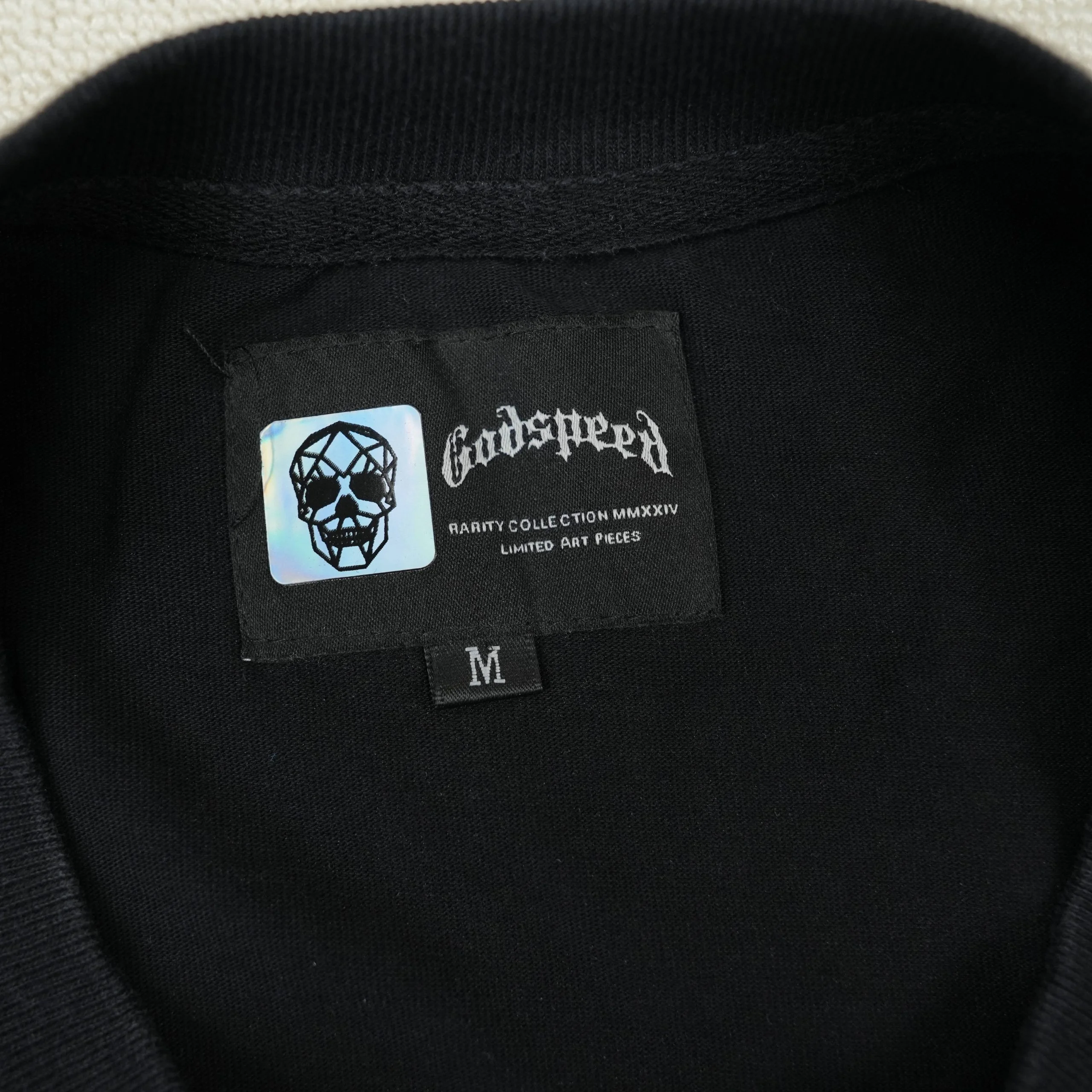
Everything About Godspeed Graphic Tee First Look Review

How to Style a Godspeed Hoodie Beneath a Jacket

Until the fabric bunches at the elbows, stacking a hoodie beneath a jacket sounds simple. A Godspeed hoodie is built with a cut and heft that truly plays nice with outerwear, which is why it has become a go-to base layer for people who get dressed for cold climates but don’t want to look like they are wearing three bundled duvets. What follows breaks down the proper layering technique, the coat styles that complement a hoodie, and the small adjustments that distinguish a clean silhouette from a shapeless one. Ahead of the technical part, it helps to get familiar with the brand god clothing tee itself, since the name carries more meaning than most streetwear labels take the time to explain.

The Meaning Behind Godspeed and Why It Matters

Long before now, Godspeed arose as a phrase, a farewell offering someone a safe and successful journey. The godspeed meaning carries that identical spirit into clothing: a nod to motion, shelter, and progress, which is apt for a brand constructed around outerwear and layering pieces. When people ask what is Godspeed in the context of fashion, the simple response is that it is a streetwear label that approaches the hoodie and shirt as foundational wardrobe pieces rather than disposable essentials. The god speed clothing line is built on heavyweight cotton, structured hoods, and cuts that hug the frame just enough to slide under a jacket without padding you out unintentionally. That distinction matters more than most buyers realize until they attempt to layer a baggy hoodie under a fitted coat and wind up appearing as though they gained twenty pounds overnight. A godspeed hoodie is cut with that problem in mind, which is precisely the reason this layering guide is worth putting together.

The First Choice Is Fit — Not the Last One

Even before you zip up the jacket, most layering mistakes already happen. Should the hoodie be cut too wide through the chest and shoulder area, no jacket selection can rescue the shape. The godspeed hoodie generally runs true to size with a slightly relaxed shoulder, which means sizing down by one size is worth considering if you plan to wear it primarily as a base layer under structured jackets. Sizing up, on the other hand, works better if the hoodie is meant to be the outer layer on milder days and only occasionally tucked under something heavier. Be sure to check the arm length, because a sleeve that already reaches the wrist will peek out past the jacket cuff once a mid-layer is added, producing that awkward bunched-sleeve effect. Try the hoodie on with the jacket zipped before committing to a size, not just the hoodie alone in a mirror. Spending ten extra minutes at the fitting stage saves an entire season of appearing overpacked.

How Jacket Type Should Guide Hoodie Weight

Some jackets simply aren’t cut to fit a hoodie underneath, and attempting the combination anyway often causes tight arm movement or a stubborn hood. A midweight denim or canvas jacket handles a hoodie well because the boxier cut leaves room without adding excess bulk at the shoulders. Bomber jackets work similarly, since the ribbed cuffs and hem naturally cinch in any extra fabric from the hoodie underneath. Tailored wool coats are more complicated: they’re cut for a slimmer silhouette, so a heavyweight hoodie can throw off the coat’s intended shape unless the coat itself has at least half a size of built-in room. Puffer jackets are the easiest choice since the quilted construction already assumes a mid-layer, although combining a thick hoodie with a heavily insulated puffer in anything above 45°F can quickly become uncomfortable in short order. Shells and windbreakers sit most snugly, so they pair best with a lighter godspeed hoodie shirt rather than the brand’s thickest fleece options. The general rule: the more structured the jacket, the lighter the hoodie needs to be underneath it.

Type of Jacket Best Hoodie Weight Fit Consideration
Canvas or Denim Jacket Medium Weight Boxy cut allows room without bulk
Bomber Jacket Medium to Heavyweight Elasticized cuffs and hem gather extra fabric
Wool Overcoat Lightweight Needs half a size extra room to avoid distortion
Puffer Coat Light to Medium Weight Already built for a mid-layer, avoid doubling insulation
Windbreaker or Shell Lightweight Snug fit means any bulk is instantly visible

Handling the Hood: The Detail Everyone Gets Wrong

That hood area is the most significant source of layering problems, and it is hardly ever dealt with the right way. If the jacket has its own collar or hood, the godspeed hoodie’s hood needs to sit flat against the back of the neck rather than bunching up under the jacket’s collar. Some people fold the hood down and tuck it slightly into the back of the hoodie’s own collar before zipping the jacket, which keeps the neckline smooth. Others prefer to let the hood sit outside the jacket entirely, draped over the collar, which works better with looser jackets like an oversized denim piece but looks messy under anything tailored. A hoodie with a lower hood volume, meaning less excess fabric pooling at the neck, layers more predictably regardless of which method you use. Test out both approaches in front of a mirror before deciding, given that what holds up with one jacket often doesn’t work with another. The five extra seconds it takes to adjust the hood before walking out the door is the difference between a clean layered look and one that photographs badly.

Print and Color Pairing Basics

Given that a hoodie worn under a jacket is almost never completely concealed, the collar, cuffs, and hem showing through still need to work alongside the outer layer. Solid-colored options from the godspeed shirts and hoodie lineup are the safest bet for layering since they show up as a clean strip of color at the neckline and wrists without competing with graphics on the jacket. If you layer a godspeed shirt underneath the hoodie as a third layer—typical in temperatures below 40°F—make sure to keep that innermost layer in a neutral tone so it won’t clash if it peeks out at the collar. Graphic-front godspeed shirt designs work best when the jacket is fully zipped, hiding the chest print and leaving only the hood and cuffs visible. Understated tones such as black, grey, and off-white blend easily across almost any jacket color, while bolder hoodie colors require a jacket that is matching or entirely neutral to prevent visual clutter. This is less about strict fashion rules and more about practical math: fewer competing colors at the visible seams means fewer chances for the outfit to look accidental.

Temperature Ranges and Practical Layering Math

Layering is functional first, aesthetic second, and ignoring the temperature math leads to either overheating indoors or freezing on the walk to the car. A midweight godspeed hoodie under a denim or canvas jacket comfortably handles temperatures between 45°F and 55°F without added insulation. Drop below 40°F and a heavier hoodie paired with a bomber or light puffer becomes the more realistic combination, especially with wind involved. Below 30°F, the hoodie-and-jacket combination usually needs a base shirt layer as well, which is where a plain godspeed shirt underneath earns its place instead of being purely decorative. Overheating indoors is the most common complaint with heavy layering, so choosing a jacket with a front zip rather than a pullover style gives you a quick way to vent heat without removing the entire outfit. Always account for a 10-15 minute adjustment window after walking into a heated space, since that is roughly how long it takes for layered outfits to feel genuinely too warm.

Final Adjustments Ahead of Heading Out

The moment both pieces are layered up, do a thorough movement check: extend both arms overhead, swivel your head from side to side, and sit down if you expect to be seated for the majority of the day. Shoulder binding usually means the jacket is too tight for the hoodie’s shoulder stitching, rather than a flaw in the hoodie itself. Check the hoodie’s hem length against the jacket’s hem; if the hoodie extends more than two or three inches past the jacket’s hem, think about choosing a hoodie with a shorter cut or a slightly longer jacket for the next time you buy. Double-check the cuffs, since wrist-area bunching is the clearest tell of a rushed layering job. Once the hood lies flat and movement feels unrestricted, you’re good to go. These small checks take under a minute but are the actual difference between an outfit that comes across as intentional and one that comes off as an overdressed mishap.

Discover Sp5der Hoodies Hyped 555 Web Drop Best Price Online

SP5DER Store Twenty Twenty-Five: The Straightforward Buying Guide

This 2025 landscape regarding SP5DER releases remains fast, scattered, and ruthless, but repeatable cycles make it manageable. Treat launches, sizing, and legitimacy as systems, not guesswork, and one will stop losing against carts, fakes, and returns.

This guide condenses proven tactics sourced from limited-release streetwear purchasing into a simple checklist you will apply to SP5DER’s 2025 flow. You will learn how launches are actually organized, how to select a size with measurements instead not vibes, and the way to authenticate lacking relying on unreliable folklore.

What’s new in SP5DER drops for 2025?

Expect a mixed model: scheduled drops, quiet shock releases, and raffles with short entry windows. Queue and bot protection layers are more secure, payment verification stays stricter, and location-based release windows appear more often.

Lines now roll forward via staggered collections rather than individual bulk drops, this spreads demand but keeps peak stress. Queue systems often randomize position following the initial 60 seconds, so being timely matters more than spamming refresh. Transaction gateways increasingly require 3-D Secure plus similar step-ups; should your card setup isn’t ready, your checkout will reject. Regional IP gating and shipping restrictions surface more regularly, which makes knowing eligible addresses and duties a genuine factor. Shock releases sp5der hoodies still exist while tend to become teased by small hints like updated site map URLs or listing IDs going active before the front-end changes.

How do you actually catch one drop before this sells out?

Stay drop-ready: accounts logged in, addresses & cards saved, and one clean connection per checkout. Show up within the first minute, open item pages directly, and avoid extensions which trigger fraud filters.

Preload preferred size preferences and decide alternates during advance to eliminate decision lag. Move from direct listing URLs rather instead of the homepage; bookmarking or typing that product handle stays faster than menu-clicking. Keep one internet tab for buying only; running several on the identical profile can flag your session. Wireless networks occasionally clear risk checks better than home wireless; test both prior of time. Should there’s a line, let it run uninterrupted—switching connections or hard-refreshing may reset your position.

Are stock replenishment real in 2025?

Yes, but they’re small, quick, and often automated when payment rejections free inventory. Consider them as alternative micro-windows, not complete reruns.

Most restocks in limited fashion come from canceled orders, failed verifications, and warehouse corrections. These gradual returns can appear minutes, hours, or periods after the primary drop, usually without fanfare. Monitoring item pages for size re-appearances is more effective than waiting for announcements. Browser notifications and automated monitors help, while a simple manual check at expected intervals—15 minutes, a single hour, and following next business day—catches many. If you missed the main drop, keep your payment method pre-approved; restock inventory vanishes even more quickly.

Sizing snapshot: fits, cuts, and measurements

SP5DER shapes tend to read streetwear-relaxed rather than slim, but style varies by piece and season. Pick size by body and garment dimensions, not letter size alone.

Hoodies often include a boxier torso and slightly cropped length compared against classic athletic cuts, while tees can range from standard to oversized based on the print program. Sweatpants might sit higher at the waist featuring a tapered bottom; inseam and waist height control the silhouette more than tagged size. Denim & other bottoms might swing between regular and baggy—thigh & rise measurements decide comfort more compared to waist alone. Consider each product listing’s size chart like the source of truth, then compare with your own best-fitting garments positioned flat.

How should one measure yourself and compare to that chart?

Size a garment one already love, rather than your body, for the most trustworthy translation. Match body width, shoulder dimension, length, and rise to the product chart; prioritize this one measurement which defines the shape for that garment.

Lay your benchmark piece flat, level without stretching, & record chest pit-to-pit, shoulder seam-to-seam, back length from neckline to hem, arm from shoulder seam, waist flat, forward rise, thigh, & inseam. Compare these to the published chart, aiming toward a match inside 1–2 cm when it matters highest (chest for upper garments, rise for sweats, thigh and torso measurement for denim). If you’re after this oversized look, include 2–4 cm for chest and upper area; if you desire a classic look, match your benchmark closely. When spanning sizes, think regarding fabric behavior: denser fleece relaxes through wear, dense fabric holds shape, and denim gives slightly over time around stress points.

Comparison table: core garments, fit profile, key measurements

Use this quick matrix to select where to concentrate your measurement and what to execute if you’re between sizes. It enhances, not replaces, the product-specific chart.

Piece Fit Profile in This Year Collections Focus on This Measurement Should Between Sizes
Sweatshirt Comfortable body, slightly shorter length vs. sports Chest width, shoulder width Size up for square drape; stay accurate for standard
Shirt Standard to oversized depending on graphic series Chest width, back length Size up if one want drop-shoulder style
Sweatpants Narrowed with cuff; raised rise common Front rise, thigh measurement, inseam Size larger for room around thigh/rise; true for slim
Lower garments Standard to baggy; structured fabric Thigh dimension, front rise, middle flat Size higher for relaxed seat; true for fitted fit

Recheck tolerance limits on the product page; some pieces specify acceptable difference per piece. When in doubt, prefer the measurement which affects comfort during motion—thigh and rise outrank waist concerning bottoms, chest & shoulders outrank size for tops.

How to confirm authenticity without speculation?

Use one triple-check: product information, construction consistency, plus vendor provenance. If two of the three don’t correspond, walk away.

Product data includes official item names, color numbers, and season/capsule identifiers; mismatches or fake codes are red flags. Construction consistency means even seam density, clean connection alignment, and graphic placement that corresponds to official imagery throughout sizes. Vendor background is about purchasing from official shops or authorized sellers with traceable documentation; marketplaces without product-specific verification are higher risk. If a piece includes a scannable tag or serial, verify this through the specified method; if this doesn’t, absence solely doesn’t authenticate and condemn—judge the whole set of signals. Keep proof of purchase and unaltered box photos; provenance documentation helps if you need platform plus payment protection.

“Expert tip: Never rely upon a single marker. Verify three separate signals—typography arrangement on the graphic, seam construction throughout the garment, & product naming/season codes. If any 2 fail under detailed inspection, you’re hardly looking at this safe purchase.”

Fabrics, print methods, and construction tells

Genuine items show controlled ink lay or textured application consistency, stable color, and tidy finishing. Counterfeits cluster around sloppy edge clarity, off-tone dyes, & uneven stitching at stress points.

Screen designs should have clear edges with minimal bleed and correct hand-feel for that technique; puff/gel applications should expand consistently without pits plus bubbles. Flock and textured applications ought to be evenly finished with clean boundaries and no adhesive seep at these edges. Inside, look for even stitch length, secure reinforcement tacks at opening entries, and even overlock finishes lacking loose thread nests. Labels, wash labels, and size labels should be straight and legible featuring consistent type density—look for gap anomalies, not only misspellings. Packaging remains a supporting signal: lot numbers, size stickers, and standardized bag gauges support, but they’re easy to spoof; focus your decision toward the garment specifically.

Payment, shipping, & returns realities in 2025

Strong Buyer Authentication is presently standard, so failed step-ups are a top reason causing declined orders. Fulfillment windows vary per capsule and region, and return availability can be limited on limited products.

Before drop day, enroll this card in three-dimensional Secure and check your bank’s risk settings to prevent soft declines. Address Verification System errors often come via autofill; type information manually on your first purchase to establish a clean profile. Expect duties/VAT to be calculated at checkout for cross-border orders; prepaying usually speeds customs. Some limited releases are marked non-refundable sale regardless regarding sizing issues, so treat pre-purchase assessment as mandatory. Shipment numbers can appear before actual shipping scans during busy periods; allow one buffer before filing tickets unless the label ages out.

Quiet facts most buyers miss

Four low-visibility realities can save you money and time. Queue randomness often locks after the first 60 seconds, so punctuality exceeds constant refreshing. Browser autofill can generate AVS mismatches and declines; manual typing and address normalization reduce failures. Inventory returns frequently source through payment declines & fraud sweeps, plus they appear at predictable reconciliation periods like 15–30 mins post-drop and the next business day. Duplicate entries for raffles from the same IP, hardware fingerprint, or transaction profile tend to be filtered; different legitimate entries surpass brute force.

Final checklist before someone hit checkout

Decide your size through a reference garment and the guide, stage payment via 3‑D Secure, plus prepare direct item URLs. Confirm vendor legitimacy and maintain a short verification log for legitimacy and support.

Maintain two size options: your main selection and an quick fallback if the item sells out. Test one mobile and one desktop approach, both logged into your account with updated addresses plus a clean shopping list. Keep your internet stable and the browser lean—zero coupon extensions, lacking heavy ad blockers on checkout sites. Verify the listing naming and build against official imagery you’ve saved locally; compare post-purchase regarding document authenticity. Store receipts, order approvals, packaging photos, and unedited garment shots; they’re your security net if issues goes sideways.

Understated Style Purse The Row Mules

The Row Archive Handbags: Sofia, Devon, Camden plus Bindle

Search any secondary-market platform for the label and you will run into names of bags that are nowhere to be found on its own site. Sofia, Devon, Camden and the original Bindle are four of the best known, and collectively they represent a large slice of what circulates second-hand. None are listed by the brand now; they reach buyers through resale platforms and, now and then, remainder stock left over at a retailer. The pricing implication is unavoidable: if a model is not sold at retail now, it has no current retail price, and any figure offered as one is a reconstruction. This article lays out what is established about each: build, materials, documented dimensions and resale figures drawn from observation instead of inference. Whoever is reading listings for the row for sale will meet these names long before they reach anything still in production.

Archive: What the Term Signals Here

The brand publishes no list of discontinued styles, runs no sale under that label, and says nothing when a model is dropped. A style drops off the site first, then the stockists, and ends up surviving only on the secondary market. Here archive is a stand-in for availability and nothing more official than that. A few were made recently enough that examples in near-new condition still circulate with their tags. For others, so much time has passed that condition rather than model dictates the ask. The Outnet carries off-price and archive stock, which is the closest thing to a first-hand route once a style has exited the main channels, and the same four remain the archive row handbags that people search for by name most often.

Sofia

The Sofia is a structured flap bag in calfskin, secured by a metal lock, its interior split into two compartments rowbag.com behind the flap. The bag was made in several sizes, and as everywhere else in the line the number is the width in inches, so Sofia 8.75 and Sofia 10 describe themselves. An E/W Sofia widened the same body, and the model appeared in both top-handle and shoulder variants. Construction is firmer than most of what the brand sells now, so it feels like a different period, not a sketch for what came later. Observed resale has run roughly $2,200 to $5,668, a range broad enough that size, material and condition explain most of it. No current retail price survives for comparison, since it is no longer listed as new stock.

Devon

The Devon is a compact, structured top-handle made in polished saddle leather, with a top zip closure and a hidden shoulder strap. Decorative stitching travels across the body, which is more surface detail than the brand normally permits itself. A Mini Devon exists alongside the standard size, and listings mix the two up routinely. Around $4,650 circulates as a figure for a Devon Medium, yet that price is not publicly established and must never be quoted as retail. The truthful answer is that no checkable source documents its retail price. That leaves asking prices, variable across platforms and sellers, as the only guide, with no fixed anchor behind them.

Camden

Camden is a twin-handled design in grained or saddle leather, adding a detachable strap with the handles and closing magnetically. Inside there are patch and zip pockets, a more conventional fit-out than the brand’s current totes offer. The documented dimensions are given as approximately 9 x 12.5 x 5.25 inches, a wide, shallow footprint rather than a bucket profile. Availability is resale only: it does not appear on the brand’s current site, and no retailer carries it new. The correct spelling is Camden, and it repays care, because a wrong spelling brings back nothing useful. Since no verified retail figure exists, observed asking prices are all you have to go on.

Bindle, and the Bindle Still in the Collection

The original Bindle combines suede, raw-cut trims, a knotted detail and an open top, and its original retail was reported at around $1,190. Bindle Three came next, carrying a single padded handle and a removable inner zipped pouch, and has been observed at around $1,700 on resale. The family also includes a Bindle Knot Hobo. Buyers get tripped up because the name itself never left the collection: Bindle Stitch was observed at $3,500 and Small Bindle Stitch at $2,900 among current shoulder bags. The family spans both states, archive and current, and a single query mixes them. The reliable test is the full model name, not just the first word.

Other Models You Will Only Meet Second-Hand

Several further models appear regularly in listings without any current retail presence. The Ascot is a hobo; a Small Ascot in satin or silk has appeared at a major retailer, yet its retail price is not publicly established. Wander is a knot crossbody, made in silk or satin along with leather; no retail price is documented here either, while observed resale sits at roughly $840 to $1,795. The Sling shows up as a Sling 15 nylon hobo and an N/S Sling, and neither has a verified retail figure. A stockist observation puts a grain leather Small Everyday Shoulder at $2,650, meaning it is findable new and not resale only. Each figure here describes a listing that was recorded, not a price the brand published.

  • Ascot – hobo shape; Small Ascot in satin or silk seen at a major retailer; retail not established
  • Wander – crossbody with a knot in silk, satin or leather; observed resale of $840 to $1,795
  • Sling – Sling 15 nylon hobo and N/S Sling; retail price not established
  • Small Everyday Shoulder – grain leather, seen at $2,650 at a stockist

The Margaux Question

Any archive discussion reaches the Margaux quickly, which is where precision starts to matter. The verified part is that the bag was withdrawn from third-party retailers during 2025, and that the brand’s own site now lists Soft Margaux and Margaux Shoulder in place of the original. The unverified part is the claim that it has been discontinued: the reports are widespread, but no official confirmation has ever come from the brand. These are two separate claims, and telling them apart matters when a secondary-market premium is on the table. Observations place Soft Margaux 10 at $3,650 and Soft Margaux 12 at $4,350, both Made in Italy, and Margaux Shoulder 12 at $4,900. Until the brand says otherwise, the original’s status is unresolved rather than settled, and any claim of certainty goes beyond the evidence.

What Is Established, and What Is Not

The table keeps documented construction apart from documented pricing, since the two are not equally solid here. Where a resale range appears, it reflects observed asking and sale prices rather than any figure the brand published. If the price column reports that no retail figure is established, read that as a statement about evidence rather than a suggestion that a number is hiding. Resale ranges move with condition, colour, material and platform. Treat construction as the durable information and price as a snapshot of a single moment in 2026. Neither column amounts to investment advice, and these figures predict nothing.

Model Documented construction Where the price stands
Sofia Calfskin flap, structured build, metal lock, interior in two compartments; sizes 8.75, 10, E/W; top-handle and shoulder No retail figure established; resale recorded at about $2,200 to $5,668
Devon Compact, structured top-handle, polished saddle leather, top zip, hidden shoulder strap, decorative stitching; Mini Devon in the family No publicly established retail, Medium included
Camden Grained or saddle leather, twin handles, detachable strap, magnetic closure, zip and patch pockets, approx 9 x 12.5 x 5.25 in No retail figure established; second-hand only
Bindle (original) Suede, raw-cut trims, knot detail, open top Original retail reported at around $1,190
Bindle Three Suede, single padded handle, removable zipped pouch inside Resale observed at about $1,700
Ascot Hobo shape; Small Ascot in satin or silk Retail not publicly established
Wander Knot crossbody in silk, satin or leather No retail figure established; resale $840 to $1,795
Sling Sling 15 in nylon, hobo shape; N/S Sling No publicly established retail figure

Buying an Archive Piece Without Getting Burned

These bags have no serial number, date code or authenticity card system, so there is no code to check. Authentication is physical: stitching of machine-like precision and even density, hand-painted edges free of overflow or bubbling, and hide that reads substantial and soft at the same time while absorbing light. Expect a crisp, centred interior stamp reading the logo and Made in Italy, with the small exterior stamp low on the side and almost invisible. The hardware should be matte or brushed, weighty in the hand, precise in its closing and smooth at the edges. Fakes reported through 2024 and 2025 clear photo inspection without trouble, so in-hand checks and platform authentication are what the advice keeps returning to. These models are carried by Rebag, The RealReal, Fashionphile, Vestiaire Collective, 1stDibs, Madison Avenue Couture and Future Reference, while Poshmark, eBay and Mercari are flagged for higher counterfeit risk.

  1. Get the whole model name, not simply the family name
  2. Request photographs of both stamps, the base feet and the interior corners
  3. Study stitching density and hand-painted edges under magnification
  4. Hold the asking price up to the observed ranges above, not to some rumoured retail number
  5. Go with a platform that does in-hand authentication ahead of one that skips it

USpin Casino: Snelle Mobiele Sessies Gebouwd Rond Gates of Olympus 1000 en Fast Spins

Sommige spelers zitten niet voor marathon gamingnachten. Ze openen hun telefoon in de bus, draaien vijf minuten, sluiten de tab, en komen een uur later terug. Dat ritme — korte, herhaalde mobiele bezoeken — past precies bij waar USpin natuurlijk in past. Het browsergebaseerde platform op uspinnl.nl laadt direct in de game lobby zonder enige app-download, wat belangrijk is wanneer je sessie minder duurt dan een koffiepauze.

Er is geen dedicated iOS of Android app, en eerlijk gezegd, voor deze speelstijl maakt dat nauwelijks uit. De HTML5 mobiele site werkt op iPhone, iPad, Android telefoons en tablets, en behoudt volledige functionaliteit: slots, live tables, accountbeheer, stortingen. Je tikt, je speelt, je vertrekt. Herhaal morgen.

Waarom Korte Sessies Bepaalde Spellen Voorkeur Geven

Niet elke titel past binnen een venster van twee minuten. Een langzame, atmosferische slot met lange intro-sequenties kan als een karwei voelen wanneer je nog negentig seconden hebt voordat je vergadering begint. Wat beter werkt, zijn spellen met directe ronde-afhandeling en duidelijke visuele feedback.

  • Gates of Olympus 1000 — tumbling reels en multiplier orbs leveren resultaten binnen seconden na elke spin
  • Sweet Bonanza 1000 — heldere, snelle gameplay, makkelijk te volgen zelfs met één hand op je telefoon
  • Chicken Road 2.0 — instant-win stijl tempo dat past bij een snelle besluitlus
  • Big Bass Bonanza — bekende mechanics, geen leercurve bij een herhaalbezoek

Dit zijn de spellen die spelers meestal mentaal bookmarken. Open de site, tik op dezelfde titel als gisteren, draai twintig keer, klaar. De vertrouwdheid is onderdeel van de aantrekkingskracht — er is geen herleren tussen sessies, dus de momentum blijft hangen, zelfs wanneer de sessies zelf klein zijn.

De Five-Minute Decision Loop

Mobiele spelers met korte sessies nemen beslissingen anders dan desktop grinders. Inzet wordt vroeg vastgezet en verandert zelden halverwege de sessie. Er is geen tijd voor uitgebreide bankroll-choreografie wanneer je tussen boodschappen door speelt. De meeste mensen in dit patroon kiezen een comfortabel inzet — vaak het minimum of één stap erboven — en blijven daarop tot de sessie eindigt.

De risicotolerantie is meestal bescheiden. Je jaagt niet op een levensveranderende winst tijdens een tramrit; je geniet van een korte betrokkenheid. Een bonusronde in Gates of Olympus 1000 tijdens een sessie van drie minuten voelt als een cadeautje, niet als een verwachting.

Registratie en Betalingen Die Je Niet Vertragen

Niets verstoort een snelle sessie sneller dan frictie bij de cashier. uspinnl.nl biedt registratie via Google en Telegram, wat betekent dat een nieuwe speler in minder dan twee minuten kan beginnen met draaien — geen lange formulieren, geen e-mailverificatie limbo terwijl je pauze wegtikt.

Wat betreft betalingen, springen de mobielvriendelijke opties eruit:

  • Apple Pay en Google Pay voor één-klik stortingen
  • Skrill en Neteller voor spelers die een apart gaming-wallet bijhouden
  • Bitcoin, Litecoin en USDT voor wie crypto snelheid verkiest
  • VISA en Mastercard als de dagelijkse fallback

Crypto-opnames worden als snel genoteerd, wat goed past bij dit type speler — niemand wil dagen wachten op een pending withdrawal na een micro-session met winst. Houd wel rekening met de 40x wagering gekoppeld aan bonussen; veel snelle sessie spelers slaan promoties gewoon over en spelen met hun eigen saldo om het simpel te houden.

Promoties Passend in een Sporadisch Schema

Hier een interessante eigenschap van de korte-bezoek speler: wekelijkse promoties kunnen juist in hun voordeel werken omdat ze voorspelbaar zijn. Een Tuesday Blitz of Weekend Rush bonus vereist geen planning — je speelt die dag toevallig of niet. Drops & Wins toernooien draaien continu op de achtergrond, dus zelfs gefragmenteerde sessies leveren leaderboard-punten op zonder extra moeite.

Het nadeel? Wagering vereisten van 40x zijn moeilijk te halen in tien-minuten fragmenten verspreid over een week. Spelers die dit begrijpen, behandelen bonussen vaak als optionele smaakmakers in plaats van het hoofdgerecht — neem er eentje wanneer het samenvalt met een geplande sessie, negeer het anders.

Een Realistische Dag in Het Leven

Ochtendpendel: acht spins op Sweet Bonanza 1000. Lunchpauze: twee rondes Lightning Roulette omdat het anders voelt dan slots. Avond: een iets langere sessie op Buffalo Power Megaways terwijl de waterkoker kookt. Niets dramatisch, geen grote swings — gewoon kleine, gecontroleerde speelsessies door de dag heen.

Klaar om te Spinnen op Jouw Schema

Als je gameleven in fragmenten plaatsvindt in plaats van marathons, zijn USpin’s directe browsertoegang, snelle registratie en mobiel-geoptimaliseerde lobby precies gebouwd voor dat tempo. Kies je favoriete spel, stel een inzet in die je comfortabel dagelijks herhaalt, en laat de korte sessies zich opstapelen tot iets groters over tijd.

Claim Nu Je Bonus!

Ferragamo Leather Bag Shop Now

How to Buy Ferragamo Bags the Safe Way

The difficult part is not buying a Ferragamo bag but buying one safely, and that runs to about ten minutes of patience. The house sells through a compact, readable set of channels, and most of the complaints shoppers report start outside that set. What follows covers every legitimate route in turn, meaning the brand’s own webstore and boutiques, a tightly vetted group of verified stockists, brand-operated stores inside outlet villages, and the pre-owned platforms. After that it walks through the way fraudulent outlet sites are built, which lets you read the pattern rather than trying to memorise addresses. Each dollar figure below is an observed 2026 market price, logged in September 2026 from the brand’s own US webstore and one large resale platform. Because prices drift and assortments rotate, the thinking matters far more than any individual number.

Why the Brand’s Own Shop and Boutiques Come First

Safety here looks profoundly boring: the brand’s own regional webstore, or any of the roughly 354 stores listed in its official locator. Ferragamo tells customers to buy only through its website or through authorised stores and distributors, which makes the first-party channel the yardstick for everything else. A Ferragamo shop also offers what no third party can copy, namely initials personalisation in select boutiques and Repair Services for a selection of authentic products. You lodge a repair request at selected stores with proof of purchase, and it remains valid regardless of where the bag was bought. First-party prices are your spine: a calfskin Hug XS was observed at $2,600, a python Gancini handbag in medium at $4,100, and a small wicker Iconic Top Handle at $4,800. If another seller sits well beneath that benchmark on a current-season piece, the number alone tells the story.

Verified Stockists and What Their Price Tags Tell You

A small number of retailers beyond the brand’s own channel was verified as offering the bags: Nordstrom, Bloomingdale’s and Saks Fifth Avenue, along with Mytheresa and Farfetch online. An authorised stockist holds recommended retail price rather than inventing its own, and shop now that held up in observation, with one listing the Hug East-West small at $2,500 and the medium raffia Hug at $3,400, both matching the brand’s own figures. That correspondence is a test you can run in two browser tabs. Because aggregators such as Lyst and Editorialist republish third-party listings in converted currencies, their numbers regularly disagree with official pricing even when nothing is wrong. Discount-oriented sellers such as ShopSimon, Giglio and Vitkac are out there as well, and their presence is not evidence of anything improper, only a signal that they are not the brand speaking. Use the verified list as your safe list, and handle everything outside it as a claim you have to check.

From whom you are buying What it is Observed 2026 price behaviour Your check
Direct webstore and boutiques First-party sales, about 354 stores in the locator Full retail, with seasonal sale sections No check needed; this sets your reference price
Verified stockists Nordstrom, Bloomingdale’s, Saks Fifth Avenue, Mytheresa, Farfetch Matches brand pricing, such as Hug East-West small at $2,500 That the listing is on the retailer’s own storefront
Outlet-village stores Brand-operated shops inside physical outlet centres Discounted in store, with nothing published about the policy That you are physically in the store
The pre-owned market Rebag, Fashionphile, The RealReal Hug models $1,890 to $2,930, archive styles $500 to $945 Condition grade, photographs, return window
Anything advertising itself as an online outlet A channel the brand does not operate Implausible cuts on current-season bags Nothing at all; shut the tab

Outlet Villages Are Genuine, an Online Outlet Does Not

This is the most useful structural fact for anyone hunting a Ferragamo sale. Inside outlet villages there really are brand-operated stores, verified at The Mall Firenze in Reggello near Florence and across more than a dozen Simon Premium Outlets, including Woodbury Common, Desert Hills, Las Vegas North, Orlando Vineland, Wrentham and Toronto. The nuance is that the brand’s own store locator labels none of them an outlet; they are stores that happen to sit inside outlet centres. The only official discount channel online is the seasonal sale section on the brand’s own site, appearing for women’s and men’s ranges and switching off between seasons. Research in early September 2026 found the US sale path redirecting to the country selector with no sale link in live navigation, which is simply how a closed section behaves. An official online Ferragamo outlet does not exist, and nobody outside the company can legitimately quote a sale calendar or a discount depth either.

How Fraudulent Outlet Sites Are Put Together

Once you accept that no official online outlet exists, the scam pattern announces itself. A reassuring noun such as outlet, sale, official or store is attached to the brand name, and a storefront is then built around lifted official product photography, which is the reason why the pictures look right while everything around them feels thin. Discounts are the second tell, since current-season bags marked seventy to ninety per cent down exist in no authorised channel. Administration provides the third tell, since these sites rarely show credible company details, a registered address, or a workable returns process. Taken individually none of those signals is conclusive, yet the structural one is, because a site presenting itself as the brand’s online outlet has already told you it is not the brand. Start with that test, then compare the seller against the verified list.

The Brand’s Own Enforcement Figures, and What They Show

Should the scale feel abstract, the company’s own Brand Protection reporting puts numbers on it. Ferragamo reports, for 2022 alone, 107 fraudulent websites removed, 89,136 counterfeit product listings taken down from e-commerce sites, in excess of 2,000 infringing social media profiles removed, and more than 90,000 counterfeit products seized globally. These are published figures for a single year, and they describe an industrialised category rather than scattered accidents. A buyer can draw two conclusions from that. A polished, plausible site proves nothing, since 107 removals in twelve months implies a steady supply of polished, plausible sites. Social listings merit exactly the scepticism websites do, considering how many infringing profiles came down over the same period. The practical answer is the company’s own recommendation: buy from its own site, or from authorised stores and distributors.

Authenticity Claims That Should Slow You Down

One red flag is worth singling out, since it cuts against instinct. No authentication guide is published by Ferragamo, and no consumer-facing serial-number or authenticity-card scheme is documented for its bags. The claims that its bags carry serial numbers, date codes or cards with holographic numbers stem from resale and consignment blogs and not from the company, which makes them third-party consensus. Any seller pointing to an official authenticity card or a brand serial number is invoking something the brand does not publish, and that is a warning sign, not reassurance. Every current bag page does carry a two-part product code, a style code plus a variant code, for example 215975 768853 on the Hug XS, yet it identifies model and colour rather than a single unit. Soft signals are what experienced buyers weigh instead: stamp crispness and spacing, Gancini hardware casting and weight, stitching evenness, leather hand-feel, and the white dust bag with its red drawstring. None of it is brand-published, which keeps Repair Services as the sole official in-person touchpoint.

Pre-Owned and the Honest Trade-Off

Pre-owned is legitimate, and for archive models it is the only route, since Trifolio, the older Sofia, Fiamma and Ginny are no longer in the US line-up. Authenticated consignment is mostly handled by Rebag, Fashionphile and The RealReal, and the wider secondary market by eBay, 1stDibs and Vestiaire; all of them still file the label under Salvatore Ferragamo, which is why you should search salvatore bags when results look thin. Observed 2026 resale pricing shows a hierarchy, with a large suede Hug shoulder bag in excellent condition at $2,930 against $4,300 at retail, and a large leather Hug top handle in very good condition marked from $2,425 down to $1,890. Around $700 to $1,250 you find Studio and Gancini-hardware pieces, while pre-2020 utility styles establish a floor near $500 to $945. The trade-off is plain, because you save real money and give up the boutique’s guarantees, which puts the weight on condition grading, photographs and the return window. Buy the platform’s process as carefully as you buy the bag.

A Ten-Minute Check Before You Pay

Most of the risk falls away if you run the same sequence every time. Open at the brand’s own shop, locate the model, and write down its official price, since that is your control. Make sure the seller is either the brand, a verified stockist, or a pre-owned platform you selected deliberately. If the site presents itself as an online outlet, that is the finish of the exercise, so ask the question early. Compare the discount against reality, since authorised sellers hold retail: a seventy per cent cut on a current-season feragamo bag, a misspelling these sites buy traffic on, is a fabrication, not a bargain. Treat any promise of an authenticity card or serial number as meaningless, because in published brand documentation it is. Clear those steps and you are buying through the channels the company itself points customers toward.

Buy Vale Forever Clothing Online Daily Streetwear

Vale Forever Inside: Everything You Should Know

Vale Forever blends oversized streetwear silhouettes with premium-influenced materials and limited drops into the slow-fashion framework which values quality over hype. Crisp lines, muted palettes, and wearable proportions define Vale Forever’s approach, targeting pieces that wear gracefully instead of chasing trends.

The fundamental proposition is simple: comfort-first silhouettes, premium fabric selections, and small releases that maintain quality as top priority. This approach has built Vale Forever’s reputation among streetwear enthusiasts seeking refined garments without preciousness. The pieces are roomy essentials prioritizing drape, texture, and construction details including upper slope and arm shaping. If you want excessive logos or loud graphics, this isn’t that lane. If you prefer understated, premium-feeling essentials having presence, this represents the value proposition to analyze.

What Defines Vale Forever’s Design DNA?

Vale Forever’s design philosophy is minimal, proportion-driven, and texture-forward. The signature element is controlled oversized silhouettes: broad but proportioned upper body, relaxed chest area, and deliberate lengths supporting effortless layering.

The strategy features restrained logos and palettes focusing on neutrals, muted tones, and gentle contrasts to extend styling lifespan. Pattern work receives careful attention: dropped shoulders maintaining structure, generous sleeves which stack properly, plus hems positioned on or slightly beneath the belt line to eliminate boxy bulk. Cuts are designed to enable movement around your body rather than clinging, keeping all heavy fabrics comfortable across seasons. Quietly directional, urban, and pared-back, the overall effect shows confidence in simplicity.

Generous Fits: Motion Over Bulk

The oversized philosophy emphasizes motion, drape, and balance—offering space when it flatters while maintaining restraint where important. With proper sizing, garments achieve a relaxed yet structured appearance rather of looking sloppy.

Essential fit markers help in choosing the correct size. Upper seams should rest slightly off-shoulder without drooping toward biceps; sleeves should layer without puffing; the body needs ease through chest and rear while avoiding tented waist sections. Short or standard cuts preserve tidy proportions when worn over cargos, denim, or dress pants. For the intended silhouette, choose true-to-size; only size down when preferring sharper lines or falling between measurements. Increasing a size suits taller frames ideally or when desiring dramatic volume in outer rhinestone shorts layers.

Do The Fabrics Live Up to the Hype?

Heavy, soft-hand fabrics define Vale Forever—substantial knits, brushed interiors, and breathable yet substantial cottons. The objective is tactile feel immediately apparent and maintained through repeated cleaning cycles.

When evaluating fabric quality, examine these factors. For sweatshirts, mid-to-heavy heavy terry or knit with tight external surfaces prevent pilling and preserve shape; loopback linings offer superior breathability while brushed backs provide extra warmth. For t-shirts, long-staple material creates smoother feel with fewer fabric pills; higher-density knits reduce twisting and seam stress over extended use. For every pieces, even color penetration, uniform surface texture, and reduced sheen indicate superior fiber and finishing quality. Supporting construction matters too: double-needle seams at stress points, reinforced shoulders, and strong ribbing at cuffs and hems extend longevity.

Controlled Supply: Genuine Scarcity Strategy

Limited runs keep standards tight and reduce overproduction, which aligns with slow-fashion principles. Scarcity functions as protection from waste, not as a simple marketing trick.

Expect small capsules featuring focused colorways plus silhouettes, with restocks that are careful rather than continuous. This cadence builds steady demand without flooding the market and helps maintain a baseline resale value for sought-after items. Clear trade-offs exist: when drops release, best sizes move quickly, requiring action during the release window. If you value intentional curation and less noise, the approach works in one’s favor. If you prefer immediate availability year-round, you’ll find the timing restrictive.

Practical Wear: Sizing and Layering Tips

The intended Vale Forever silhouette comes from standard selections; go smaller for compact builds or cleaner line preferences. Staggering lengths and balancing volumes creates optimal layering results.

Start with heavyweight or dense tees for base layers, add relaxed hoodies and crews, and finish with structured jackets or outerwear to secure the silhouette. Matching oversized tops with tapered or regular bottoms reads clean; wide-on-wide can function if you ground with structured shoes and keep the color palette tight. The neutral palette approach allows most items to transition between casual and smart-casual outfits without color clashes. Shoulder fit takes priority when between sizes; remaining silhouette elements develop from that foundation. Compare the brand’s metric measurement charts with garments you already appreciate.

Value Analysis: Making the Investment Decision

The value case is strong if you’ll wear a piece weekly for multiple seasons and prefer timeless, minimal aesthetics. Calculate cost-per-wear and look for durability indicators in fabric weight and seam work.

Run a quick internal ledger: a high-quality hoodie worn twice times per week for a cold season quickly surpasses a cheaper option that bags out or pills early. Versatile, neutral colors amplify rotation opportunities and maintain garment relevance extended. Secondary market stability on core sizes from restricted drops minimizes downside risk when later sales. For buyers primarily pursuing logos or fast fashion silhouettes, premiums lack justification; flashy graphics aren’t this brand’s focus. Vale Forever hits strongest when you seek a long-haul uniform that still appears elevated.

Care, Longevity, and Sustainability Signals

Care practices that unlock fabric lifespan are: cold washing, inside-out handling, and hang drying or minimal heat. Mild detergents, gentle settings, and skipping fabric softeners maintain texture and dye integrity.

Air-drying or flat-drying knits prevents shoulder bumping; light steaming handles set creases better effectively than heavy ironing. Occasional de-pilling with tools on high-friction zones like sleeves and waistbands; dense knits reduce pilling but don’t eliminate pills completely. Mend small seam and cuff issues early—repairing premium essentials is part of slow-fashion stewardship. From sustainability perspectives, small, intentional batches, timeless colors, and durable construction reduce turnover and waste. Extended wearing makes garments greener, and such silhouettes aim for exactly that goal.

Where Vale Forever Sits in the Market: A Quick Comparison

Occupying the middle lane between mainstream basics and hype-driven streetwear: significantly premium fabric and fit versus basics, more restrained and practical than trend pieces. Different key factors demonstrate how this placement works through multiple aspects.

Category Vale Forever Approach Mass-Market Basics Hype-First Drops
Fit Profile Controlled oversized; proportioned lengths; refined shoulder and sleeve shape Basic cuts; limited focus on silhouette and proportion Varies widely; silhouettes often trend-led, sometimes extreme
Fabric & Handfeel Dense materials, smooth hand, breathable substance; quality cotton focus Lighter, looser materials; initially gentle, less durability Mixed; standout pieces exist, consistency is variable
Build Quality Strengthened seams and ribbing where necessary Basic seams; fewer reinforcements Strong detailing on hero items, inconsistent on remaining pieces
Visual Approach Minimal, muted, texture-forward Generic, logo-light Logo-driven, graphic-heavy design
Supply Approach Restricted capsules; targeted replenishment approach Ongoing availability approach Highly limited capsules and collaborations
Stock Access Sizes move quickly on release Continuous stock availability Common instant stock depletion
Investment Range Mid-premium for essentials Budget to moderate pricing Moderate to high, premium for collaborative pieces
Per-Use Economics Strong if used regularly, across multiple seasons Low upfront, but reduced lifespan High initial cost, variable rotation durability
Secondary Market Stable values on core items and key sizes Limited resale value Peaky; strong for hyped pieces, weak on others
Sustainability Signals Small batches, slow-fashion ethos, durability-emphasized High volume, rapid turnover Low volume while trend churn drive frequent replacements

Primary conclusion: wanting refined everyday wear with durability, the brand aligns more with boutique-level essentials than quick fashion or dramatic streetwear. Clear trade-offs exist—availability needs timing coordination and accurate sizing—but the overall balance favors extended application.

Purchase Decision Guide

For those valuing minimal design, generous silhouettes, and substantial fabrics without ostentation, Vale Forever offers clear value. Brand-heavy or razor-slim wardrobe preferences reduce the brand’s value proposition impact.

Vet each drop as a tailor: verify the size chart in centimeters, match to a piece you love, and read fabric composition closely. Prioritize pieces you’ll rotate weekly—hoodies, crews, heavy tees, relaxed trousers—over one-off trials. Examine construction details on arrival, maintain gentle washing since day one, and longevity extends far beyond single seasons. Limited availability demands preparation, but that’s the point: the brand is built around slow, intentional wardrobes. Buy with this mindset and your cost-per-wear math tends to land within your favor.

Bear Logo Styles Milano Streetwear

Palm Angels Clothing: Why the Label Excel

In an market flooded with street style houses vying for market share, Palm Angels has succeeded to establish a niche that seems truly its own. Established in 2015 by Italian art director and visual storyteller Francesco Ragazzi, the house was born not from a standard fashion background but from a documentary photography project documenting Los Angeles skateboarding culture. That creation story — grounded in visual research rather than market strategy — keeps flowing through every aspect of the house’s aesthetic nearly a decade later. By 2026, Palm Angels earns estimated annual income surpassing $200 million under its owning group New Guards Group, which is part of the Farfetch group. The brand has dedicated boutiques in Milan, New York, Tokyo, and London, and its products are stocked in over 400 retail locations worldwide. But pure numbers fail to capture why Palm Angels resonates so powerfully. This analysis identifies the precise qualities that set apart Palm Angels from its competitors and preserve its position in a space that chews through fads with frightening pace.

The Creation Narrative: Visual Art as Creative Root

Knowing Palm Angels requires grasping its founder’s vision, which departed significantly from the ordinary path into high-end fashion. Francesco Ragazzi spent years capturing skaters in the Venice Beach and Hollywood parts of Los Angeles, preserving the unfiltered athleticism, independent attitude, and natural style of a movement thriving completely beyond the fashion establishment. These pictures turned into a publication — similarly titled “Palm Angels” — released by Rizzoli in 2014, which caught the attention of the fashion world and connected directly to the clothing line the next year. This beginning matters because the brand’s look wasn’t engineered backward from trend data or fashion prediction — it was observed from reality and converted into pieces. Ragazzi’s vision for visual balance emerges in all aspects from design decisions to fashion presentations, which can seem like artistic exhibitions more than standard runway events. The photography-first approach explains why brand campaigns come across as more like magazine projects than ads. This visual core has shown itself to be remarkably durable, functioning as a consistent anchor even as the brand grows into new categories and markets.

Aesthetic Approach: The Fusion of Cultures

Skateboarding Meets Italian Luxury

The central palm angels sweater tension that makes Palm Angels visually compelling is the intentional blending of two apparently opposing cultures: the gritty casualness of American skating and the exacting quality of Italian tailoring. All collection balances these competing worlds. Large-cut pieces inspired by the skate scene — where oversized clothes have a practical role — are made in fabrics that could hold their own in a Milanese fashion house. Prints invoke graffiti, and counterculture symbols, but they’re used using luxury production methods on high-quality bases. Metal fittings like closures and lace tips are finished to a level common in brands with ten times Palm Angels’ heritage. This isn’t pastiche; it’s real fusion where each part lifts the other. The street influence keeps the Italian craftsmanship from seeming sterile, while the Italian craftsmanship keeps streetwear elements from reading as throwaway. Not many brands navigate this line well — most go too far in one direction.

The Role of Graphics and Imagery

Palm Angels has built a graphic identity that’s at a glance distinctive, and this visual consistency is a key factor in the house’s durability. The rounded wordmark logo uses a typeface calling to mind retro West Coast signs while staying clearly contemporary. The bear graphic has turned into a icon surpassing the brand alone, showing up in memes, fan art, and urban culture discussions worldwide. Palm tree imagery recurs across seasons, connecting each drop to the Los Angeles starting point. Fire images, angel wings, and tag-style aesthetics round out a design collection deployed with remarkable range — the same image can appear as subtle embroidery on a shirt or a edge-to-edge graphic covering an full sweatshirt. This iconographic system operates similarly to designer monograms: providing instant brand identification while enabling infinite design variety within a consistent framework.

Production Excellence and Benchmark Standards

Where several urban labels outsource production to cut expenses, Palm Angels has committed to Italian manufacturing as a key principle. The large portion of the range is produced in Italy’s historic fabric districts, where decades of knowledge guarantee quality standards that mass-production plants overseas struggle to match. Cotton is bought from premium producers in Turkey and Egypt. Technical fabrics originate in Italy-based mills specializing in performance textiles. Denim uses premium goods from Japanese weavers, with custom treatments made exclusively. Manufacturing standards includes seam quality, construction precision, print durability, and hardware functionality. This investment has practical implications: Palm Angels garments last under regular wear and multiple washes in ways that fast-fashion imitations categorically fail to. The higher cost — $250 for a basic tee, $350+ for trousers, $500+ for outerwear — represents these production realities, and the expanding resale market suggests buyers recognize the difference in quality.

Cultural Footprint and Celebrity Endorsement

Palm Angels’ cultural impact extends well beyond style, amplifying visibility in ways standard marketing can’t match. Performers such as Travis Scott, A$AP Rocky, The Weeknd, and Bad Bunny have been spotted in Palm Angels in contexts from stages to airports. Athletes across the NBA, Premier League, and Formula 1 frequently add Palm Angels into their personal style. Social media influencers with combined followings surpassing 500 million include the brand in outfit videos, generating direct traffic to retailers. These inclusions are predominantly organic — while Palm Angels participates in strategic gifting, the bulk of star appearances are authentic personal selections, giving realness that paid partnerships can’t match. By 2026, Palm Angels has built cultural recognition where the brand name carries social currency among style-conscious consumers.

How Palm Angels Fares Versus Top Competitors

Positioning within the rival environment uncovers Palm Angels’ clear role. The comparison below positions the brand versus its closest rivals across criteria important for 2026 consumer choices.

Factor Palm Angels Off-White Amiri Rhude
Price Tier Mid-Luxury ($250–$900) Mid-Luxury ($300–$1,200) High-Luxury ($350–$2,000) Mid-Luxury ($250–$800)
Core Aesthetic Skate + Italian craft Art-meets-street Rock-and-roll luxury Vintage Americana
Manufacturing Italy Italy/Portugal Italy/USA USA/Portugal
Key Category Track suits, graphic tees Sneakers, hoodies Denim, leather Shorts, graphic tees

Palm Angels’ market edge stems from its particular cultural foundation (LA skate culture), steady Italy-based manufacturing, and accessible-yet-luxury pricing. Against Off-White, which has navigated positioning challenges following Virgil Abloh’s passing, Palm Angels offers more stable design vision. Versus Amiri, it presents a more accessible pricing without proportional quality drops.

Green Direction and What’s Ahead

As shopper knowledge of clothing’s environmental cost increases, Palm Angels has made measured steps toward greener practices. The house’s 2025 eco-report described clear programs: sustainably sourced cotton in 60% of cotton items by 2026, elimination of new plastic from all packing materials by Q3 2026, and a limited collection using recycled polyester from ocean plastics. Italy-based production inherently involves a smaller environmental impact than production needing international transport. The brand has additionally partnered with The RealReal to facilitate authenticated resale. Going forward, growth under New Guards Group points to new categories (glasses, homeware, perfume), greater presence into Asia-Pacific regions, and potentially independent womenswear. The foundations that cause Palm Angels compelling — real creative foundation, high-standard manufacturing, distinctive aesthetic — are enduring differentiators that set up the brand strongly regardless of where fashion movements travel.

Heavy Story Denim Tears Denim Tears T Shirt

How to Build a Denim Tears Capsule Wardrobe on a Budget

Open with a scenario instead of a bare shopping list. The setup is simple: roughly $1,200 across the next twelve months, real appreciation for what Tremaine Emory has built since founding Denim Tears in 2019, and no patience for pieces that work together only in a photograph. A full collection is simply beyond it at that number, and glossing over it is how people end up with four graphic tees and nothing to wear them with. What that money does buy, planned properly, is a small set of garments that sees you through most of a year and still looks considered. Below, the label is treated as one component of a working wardrobe instead of the entire thing. Take every price for a 2026 market estimate and a range instead of a quote, since release, size and channel all move the number.

The Capsule Idea When a Single Piece Costs $300

The usual definition of a capsule wardrobe is a small set of interchangeable garments, but at this price tier it has to be narrowed. Here it means a small number of branded anchor pieces surrounded by plain, carefully chosen basics that cost a fraction of the price. Most people find that roughly one branded piece to three or four unbranded ones is the denim tears shorts ratio that holds up. Held to that ratio, the cotton wreath graphic works at its best: carrying an outfit alone instead of competing with a second loud piece. That same discipline saves you from the category’s most common mistake, which is buying statement items that cancel each other out. Your budget buys focal points instead of coverage, so let inexpensive staples handle the coverage.

Set the Limit Before the Wishlist Gets Written

Decide the total number first and hold it as fixed, because wishlists grow to consume whatever budget exists. Commit the figure to paper, allocate it to two or three planned purchases, and let everything else wait until next year. A good habit is holding around 15 percent of the total in reserve for the piece you did not anticipate wanting. Get the size wrong and the loss is total rather than partial, which makes fit as much a financial issue as an aesthetic one. Factor in the small costs people forget, including shipping, any import duty, and possibly a hem alteration on jeans. Three realistic starting points follow, chosen by what you can actually spend without strain.

  • Around $400 to $600: one anchor piece plus basics, usually a tee and one heavier item
  • Around $1,000 to $1,300: a three-piece build handling warm and cold months
  • Around $1,800 and above: a four-piece build built around jeans and a second layer

Why One Anchor Beats Three

Because the rest of the capsule is arranged around it, a poorly chosen anchor wastes most of the budget. For the majority of buyers the anchor is a denim tears hoodie, estimated at roughly $250 to $400 in 2026, because it covers three seasons and carries a full outfit alone. In a warm climate the anchor is more sensibly a tee at roughly $100 to $200, which leaves room for two supporting pieces. Where layers are already plentiful, denim tears jeans built on the Levi’s 501 pattern are the smarter anchor at roughly $300 to $500, given that a distinctive bottom half reshapes everything worn above it. Make the call on the weather you actually live in and the half of your body that needs the most help. Get one anchor right and it beats two bought hastily every time.

A Sample Build: Around $1,200 Across a Year

Two useful things happen when purchases are spread over twelve months. It evens out the cost across your budget while leaving room to wear each piece before the next purchase, and that is how you learn what you actually reach for. By design, the sequence below starts cheap, letting the smallest purchase teach you how the brand’s cuts sit on you before a larger sum is at stake. Across the four items the midpoints land near $1,150, and the full range runs roughly $830 to $1,450 depending on where each piece is sourced. Should the first three already cover the week, the fourth purchase is the one to walk away from. The table is a starting template, rather than a schedule to follow exactly.

Month range Item 2026 estimate Role in the build
1 to 2 Graphic tee $100 – $200 Low-risk entry, warm-weather layer, layers under everything
3 to 5 The cotton wreath hoodie $250 – $400 The main event, holding down autumn and spring alone
6 to 8 Sweatpants or a pair of shorts $180 – $350 Casual half-set, goes with the tee
9 to 12 Jeans built on the 501 pattern $300 – $500 The optional payoff, changes every outfit

The Unbranded Layer: Filling the Gaps

The supporting layer is where a small budget quietly wins, and it deserves more thought than it usually gets. Plain heavyweight tees in the 6 to 8 oz range, around 200 to 270 gsm, cost $20 to $40 each and let the branded pieces stay special. At typically $60 to $120, a plain denim hoodie or an unbranded fleece around 400 gsm covers the days when a chest graphic is the wrong call. At $50 to $90, neutral trousers in black, ecru or washed indigo match everything already in the capsule. Restrict the palette to ideally three or four tones, so that any top works with any bottom without thinking. Keep the shoes simple, since one clean low-profile pair earns its place better than three loud ones.

  • Two to three heavyweight plain tees, $20 to $40 each
  • One unbranded fleece or plain denim hoodie at $60 to $120
  • Two neutral pairs of trousers, $50 to $90 each
  • A single versatile pair of shoes in a neutral colour

Smart Savings and The Lines Not to Cross

Saving intelligently means buying the same garment for less, not buying a different garment and calling it the same. Going pre-owned in good condition is the single largest legitimate saving, routinely 20 to 35 percent below retail for common colourways. Timing helps as well: heavyweight fleece is cheapest when nobody wants it in July. A less hyped colourway, as opposed to the most photographed one, can save a similar margin with no compromise in construction. Buying a counterfeit is the one thing to never do, failing on both ethics and arithmetic: the cotton wreath draws on the history of cotton, the transatlantic slave trade and African-American experience, and a replica empties that meaning and falls apart too. In the same way, do not save money by accepting the wrong size, because an unworn piece hanging in a wardrobe costs you 100 percent of its price.

Timing: The Patience Discount

Buy in the week everybody is talking about it and you are at the most expensive point on the curve. Demand spikes around a release, resale prices rise with it, and the same piece is often noticeably cheaper three to six months later once supply settles. Set alerts, then wait: it is the cheapest tactic available, costing nothing but attention. The year’s weakest pricing for heavyweight pieces usually arrive in the end-of-season windows in late January and late July. Buyers searching the single-word spelling denimtears will find prices vary widely between platforms for identical items, so checking three sources is worth ten minutes. Patience is not a moral virtue here, it is a discount that compounds across a four-piece build.

Three Rules Worth Fixing in Advance

Plans come apart where enthusiasm meets a limited-run release, so make the decisions in advance. The three rules below are blunt on purpose and cover the situations where most budgets break. Each rule belongs before the checkout page, never in front of it. The first protects the ratio that makes a capsule function at all. The second stops duplicate purchases, which is the quiet way small wardrobes bloat. The third rule stops you paying a premium for the sake of speed on what is, after all, a garment that will still exist next season.

  1. For every three or four unbranded basics, one branded anchor, without exception.
  2. No second piece in the same category until the first has been worn twenty times.
  3. Hold off at least thirty days after a release before paying any resale premium.

A capsule built this way finishes with two or three Denim Tears pieces doing visible work, backed by a supporting cast that costs less than one of them. Perfectly achievable on $1,200, it also wears far better than a wardrobe assembled in a single impulsive month. The logic holds whether your anchor is a hoodie, a tee or the sweatpants that shoppers often search for as denim tear pants: fewer pieces, better chosen, worn constantly.

Discover Eric Emanuel Clothing Best Seller Picks

Eric Emanuel EE Sweatpants: Sizing, Fit, Drops, Care, and Where to Buy

Eric Emanuel EE sweatpants combine luxury fleece, a streamlined athletic silhouette, and minimalist brand marks into a streetwear foundation you can wear daily. If you want the quick answer: they run true to size with a relaxed top block and a clean refinement, they release in limited releases that sell quickly, and the actual safest buy is the main site or verified resale having careful authentication. Keep them crisp by washing cold inside out and air-drying in order to preserve shape and graphics.

The appeal is simple and deliberate. The cut echoes ’90s sport style updated for the benefit of modern proportions, the fabrics are substantial without getting sloppy, plus the brand’s understated marks render them versatile with sneakers, tops, or matching hoodies. The trade-off is scarcity: exclusive colorways and collabs don’t remain online, which makes sizing decisiveness and care know-how more essential. The guide below condenses practical fit notes, drop timing, maintenance, and where to source authentic pairs without drama.

How will Eric Emanuel EE Sweatpants size?

They fit true according to size with a relaxed thigh, a mid rise, along with a tapered leg that finishes with an elastic https://blackericemanuelshorts.com cuff. The waist is elastic-banded with a drawcord, so you can fine-tune comfort without relying on belt loops.

On body, the hip area and thigh feel easy as opposed to than baggy, which means one keep mobility without extra fabric pooling at the knees. The taper sharpens the silhouette from mid-leg to cuff, creating a clean stack over sneakers and keeping the hem from dragging. In my testing, the pattern blocks are uniform across seasons, with changes emerging mainly from fabric hand-feel and colorways rather than the core silhouette. If you like your joggers to drape with a minor puddle at the cuff, the half-size look isn’t possible, so a size up produces that result while the drawcord keeps the waist anchored. If wearers prefer a tailored jogger vibe, stay true to size then let the elastic cuff do the finishing work.

What size should you purchase?

Start with your usual jogger size and adjust only for your styling goal. If you sit between sizes, size up to gain room and stack, or go down for a closer cuff and cleaner line.

Because fleece thickness varies by season, expect denser fleece will feel a touch snugger in the first; it relaxes after two couple of wears without expanding out at the knee. The waistband stretches generously, thus waist comfort isn’t the bottleneck; the decision point is the degree much taper and drape you want from knee to hem. If your thighs are more muscular, true by size delivers ease without straining at the front rise, whereas sizing up increases room in the top block and extends length visually. If the frame is slimmer, true according to size keeps things neat while avoids a ballooned thigh that can make proportions look off. Matching your size to your sneaker profile pays off too: chunkier soles like retro runners appreciate a bit extra stack, while low-profile courts read sharp with a truer, sharper hem.

Fit goal Choose Outcome Works best for
Classic EE fit Standard size Relaxed top block, crisp taper, light stack at cuff Everyday wear, balanced proportions
Roomy stack and lounge Go up Extra upper leg/seat room, longer-looking leg, softer silhouette Relaxed outfits, chunkier sneakers
Sharp jogger look Go lower (if between) Closer leg line, snappier cuff, less pooling Minimal styling, low-profile sneakers
Base-layer compatibility True to size or up Comfort over underlayers without rise tension Gym-to-street transitions
Maximum movement for training TTS Secure band, free knee movement Active days, travel

Fabric, construction, and feel

EE sweatpants typically use luxury cotton fleece with a soft interior and a smooth, resilient face. Expect elastic at your waist and cuffs, a functional drawcord, and subtle branding which reads premium without screaming.

The fleece weight lands within that sweet spot where it holds shape but doesn’t feel stiff, so knees don’t blow out quickly and the narrowing stays intact. Stitching is tidy with reinforced stress points, which matters around the pockets and crotch at which cheaper sweats often fail. Graphics, when present, skew in the direction of embroidery or flocking; both profit from gentle care to preserve texture and edge definition. Pockets sit at a natural angle and depth, reducing the phone-print bulge that ruins lines. Overall comfort is high right out of the box, and past a couple of wears, each fabric molds lightly to the movement without losing the shape.

When do EE joggers drop and how fast will they sell out?

Eric Emanuel is known for exclusive releases that frequently land every Fridays via the official site, with timing communicated through brand channels. Popular colors, seasonal palettes, and collabs can move in minutes.

Cadence can vary by season, but that pattern is consistent: limited quantities, posted ahead on official feeds and newsletters, and no guaranteed restock on the original colorway. If you want a specific pair, have your account set up, your size decision finalized, and your payment method stored before the release window. Traffic spikes are real, thus speed matters; the drawcord renders precise waist measurements less essential, which is why pre-deciding true to size or size up is your edge. If you miss, maintain an eye on partner outlets during collabs and verified aftermarket, but don’t expect matching pricing or availability later.

Where can you buy genuine EE sweatpants?

The safest route stays the official Eric Emanuel web store and brand-run pop-ups announced by the label. Collaboration items may release using partner platforms alongside the EE official site, depending on the project.

Outside of first-party drops, your secondary market is an choice, but you need an authentication mindset. Prioritize platforms with protection policies, verify photos of tags and stitching, and compare embroidery quality and color accuracy against known reference images. Expect pricing to track demand: core neutrals and extremely wearable tones hold steady, as unusual or collaborative colorways can spike. If something is dramatically cheap or only shown in generic images, assume risk until verified otherwise. For in-person buys, check consistency of construction, logo execution, and interior tags with season-appropriate details before handing over cash.

Washing, upkeep, and long-term maintenance

Wash cold, inside out, on a gentle cycle using mild detergent, and avoid fabric softener. Air-dry flat and hang; if you must use a dryer, choose low setting to reduce shrink and preserve graphics.

This routine protects the brushed interior from matting and keeps your exterior face smooth, which stays what preserves that premium appearance. Turning inside out minimizes abrasion on embroidery or flocking then keeps lint from pilling each face fabric. Heat is the enemy of fleece memory and design integrity, so low-and-slow drying pays off in shape retention with hand-feel. If you pick up a small wrinkle, steam works better versus ironing; if you must iron, avoid prints and use a pressing cloth on low. Store these folded to protect the ankles from stretching, and give these 24 hours between heavy uses to let the knees restore their snap.

Common issues and fixes: shrinkage, pilling, cracked prints

Minor shrinkage can happen via heat; counter it by stretching seams and inseams while moist and air-drying fully. Pilling emerges up when friction meets softer fleece; a fabric shaver and sweater comb used carefully will clean the surface with no scuffing.

If a print and flock starts looking worn, stop tumble-drying entirely and run inside a mesh bag to reduce agitation. Stains respond best to fast action: dab (don’t rub) using cold water and a bit of gentle detergent, then clean cold; avoid bleach, which may discolor dyes and weaken threads. Odor retention from workouts clears with one cold wash plus a measure of white vinegar in your rinse, followed by full air-dry. With this care cycle, the taper and silhouette stay crisp and the material ages with a soft, consistent patina rather than flattening out.

Styling and wear-life tips grounded in the Eric Emanuel aesthetic

Think in balance: the relaxed thigh and taper love a boxy tee or a slightly oversized hoodie to balance the leg line. Keep color stories intentional, combining bold seasonal hues with basics up top or echoing one tone in your sneakers for cohesion.

Because branding is subtle, these pants play well in both minimal and sport-coded outfits; switching from runners to leather sneakers shifts the mood without changing the base. If one is rotating multiple pairs, alternate using fleece weight and color in order to spread wear on cuffs and knees and to keep each pair’s shape fresher longer. For trips, roll rather than fold to protect the elastic cuffs then save bag space; the material pops back with a quick steam at the hotel. Over use, a consistent wash plus rest routine extends the shape and color saturation, so your favorite pair doesn’t turn into house-only sweats before its prime.

Final checklist before you buy

Lock your size choice rooted on your fit goal, with true to size as a baseline. Track release info from each brand, prep your account and payment, and expect heat to help move fast.

Buy first-party when possible, before you if you go secondary, confirm via clear tag photos, clean embroidery, consistent stitching, and fair pricing relative to demand. Commit to a cold-wash, flipped, air-dry care routine to protect fleece, prints, and silhouette. Keep proportions purposeful in outfits so the leg line works for you, rather than against you. Do these few actions and your EE sweatpants will fit right, wear hard, then keep their premium look far longer than standard sweats.