
How to Style a Godspeed Hoodie Beneath a Jacket
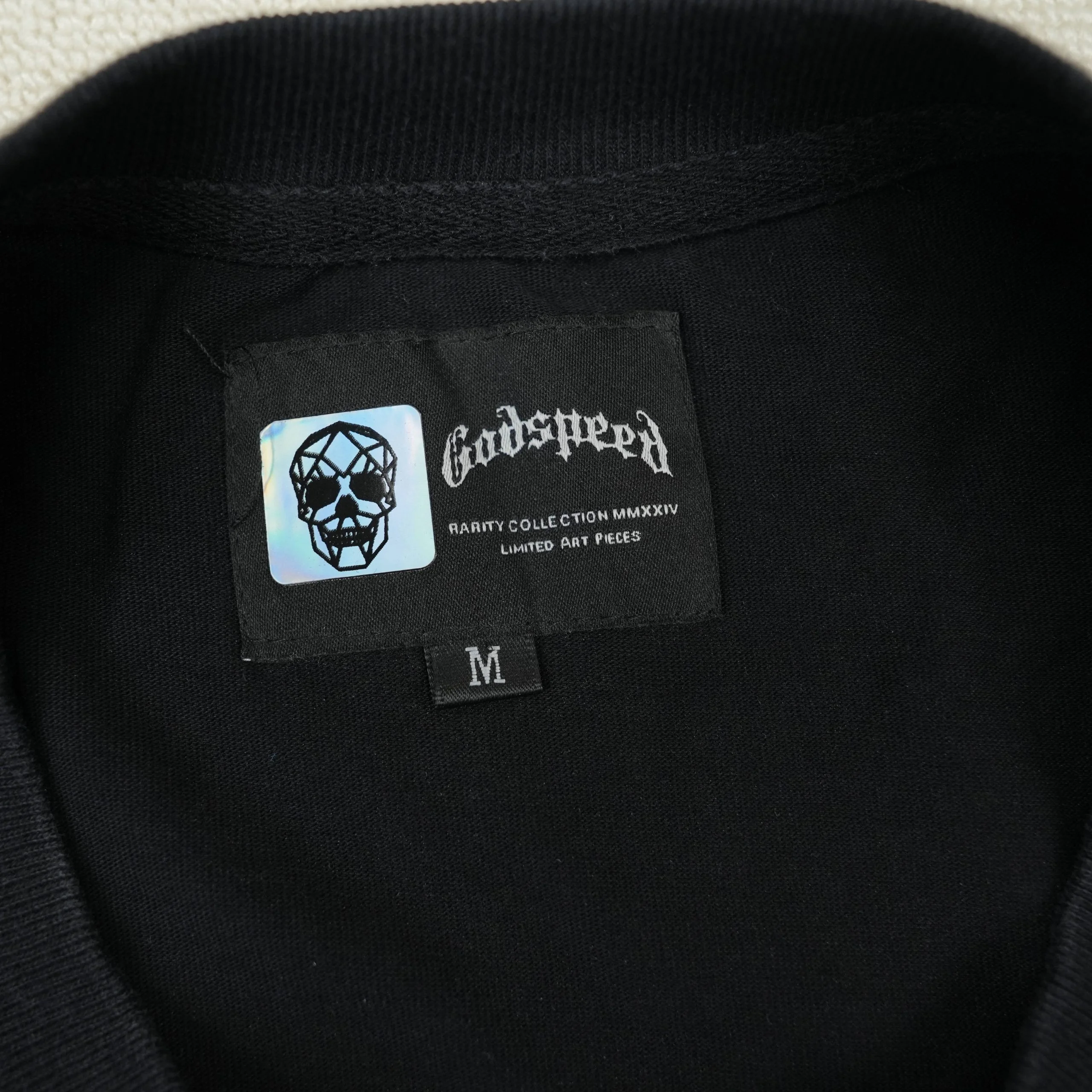
Until the fabric bunches at the elbows, stacking a hoodie beneath a jacket sounds simple. A Godspeed hoodie is built with a cut and heft that truly plays nice with outerwear, which is why it has become a go-to base layer for people who get dressed for cold climates but don’t want to look like they are wearing three bundled duvets. What follows breaks down the proper layering technique, the coat styles that complement a hoodie, and the small adjustments that distinguish a clean silhouette from a shapeless one. Ahead of the technical part, it helps to get familiar with the brand god clothing tee itself, since the name carries more meaning than most streetwear labels take the time to explain.
The Meaning Behind Godspeed and Why It Matters
Long before now, Godspeed arose as a phrase, a farewell offering someone a safe and successful journey. The godspeed meaning carries that identical spirit into clothing: a nod to motion, shelter, and progress, which is apt for a brand constructed around outerwear and layering pieces. When people ask what is Godspeed in the context of fashion, the simple response is that it is a streetwear label that approaches the hoodie and shirt as foundational wardrobe pieces rather than disposable essentials. The god speed clothing line is built on heavyweight cotton, structured hoods, and cuts that hug the frame just enough to slide under a jacket without padding you out unintentionally. That distinction matters more than most buyers realize until they attempt to layer a baggy hoodie under a fitted coat and wind up appearing as though they gained twenty pounds overnight. A godspeed hoodie is cut with that problem in mind, which is precisely the reason this layering guide is worth putting together.
The First Choice Is Fit — Not the Last One
Even before you zip up the jacket, most layering mistakes already happen. Should the hoodie be cut too wide through the chest and shoulder area, no jacket selection can rescue the shape. The godspeed hoodie generally runs true to size with a slightly relaxed shoulder, which means sizing down by one size is worth considering if you plan to wear it primarily as a base layer under structured jackets. Sizing up, on the other hand, works better if the hoodie is meant to be the outer layer on milder days and only occasionally tucked under something heavier. Be sure to check the arm length, because a sleeve that already reaches the wrist will peek out past the jacket cuff once a mid-layer is added, producing that awkward bunched-sleeve effect. Try the hoodie on with the jacket zipped before committing to a size, not just the hoodie alone in a mirror. Spending ten extra minutes at the fitting stage saves an entire season of appearing overpacked.
How Jacket Type Should Guide Hoodie Weight
Some jackets simply aren’t cut to fit a hoodie underneath, and attempting the combination anyway often causes tight arm movement or a stubborn hood. A midweight denim or canvas jacket handles a hoodie well because the boxier cut leaves room without adding excess bulk at the shoulders. Bomber jackets work similarly, since the ribbed cuffs and hem naturally cinch in any extra fabric from the hoodie underneath. Tailored wool coats are more complicated: they’re cut for a slimmer silhouette, so a heavyweight hoodie can throw off the coat’s intended shape unless the coat itself has at least half a size of built-in room. Puffer jackets are the easiest choice since the quilted construction already assumes a mid-layer, although combining a thick hoodie with a heavily insulated puffer in anything above 45°F can quickly become uncomfortable in short order. Shells and windbreakers sit most snugly, so they pair best with a lighter godspeed hoodie shirt rather than the brand’s thickest fleece options. The general rule: the more structured the jacket, the lighter the hoodie needs to be underneath it.
| Type of Jacket | Best Hoodie Weight | Fit Consideration |
|---|---|---|
| Canvas or Denim Jacket | Medium Weight | Boxy cut allows room without bulk |
| Bomber Jacket | Medium to Heavyweight | Elasticized cuffs and hem gather extra fabric |
| Wool Overcoat | Lightweight | Needs half a size extra room to avoid distortion |
| Puffer Coat | Light to Medium Weight | Already built for a mid-layer, avoid doubling insulation |
| Windbreaker or Shell | Lightweight | Snug fit means any bulk is instantly visible |
Handling the Hood: The Detail Everyone Gets Wrong
That hood area is the most significant source of layering problems, and it is hardly ever dealt with the right way. If the jacket has its own collar or hood, the godspeed hoodie’s hood needs to sit flat against the back of the neck rather than bunching up under the jacket’s collar. Some people fold the hood down and tuck it slightly into the back of the hoodie’s own collar before zipping the jacket, which keeps the neckline smooth. Others prefer to let the hood sit outside the jacket entirely, draped over the collar, which works better with looser jackets like an oversized denim piece but looks messy under anything tailored. A hoodie with a lower hood volume, meaning less excess fabric pooling at the neck, layers more predictably regardless of which method you use. Test out both approaches in front of a mirror before deciding, given that what holds up with one jacket often doesn’t work with another. The five extra seconds it takes to adjust the hood before walking out the door is the difference between a clean layered look and one that photographs badly.
Print and Color Pairing Basics
Given that a hoodie worn under a jacket is almost never completely concealed, the collar, cuffs, and hem showing through still need to work alongside the outer layer. Solid-colored options from the godspeed shirts and hoodie lineup are the safest bet for layering since they show up as a clean strip of color at the neckline and wrists without competing with graphics on the jacket. If you layer a godspeed shirt underneath the hoodie as a third layer—typical in temperatures below 40°F—make sure to keep that innermost layer in a neutral tone so it won’t clash if it peeks out at the collar. Graphic-front godspeed shirt designs work best when the jacket is fully zipped, hiding the chest print and leaving only the hood and cuffs visible. Understated tones such as black, grey, and off-white blend easily across almost any jacket color, while bolder hoodie colors require a jacket that is matching or entirely neutral to prevent visual clutter. This is less about strict fashion rules and more about practical math: fewer competing colors at the visible seams means fewer chances for the outfit to look accidental.
Temperature Ranges and Practical Layering Math
Layering is functional first, aesthetic second, and ignoring the temperature math leads to either overheating indoors or freezing on the walk to the car. A midweight godspeed hoodie under a denim or canvas jacket comfortably handles temperatures between 45°F and 55°F without added insulation. Drop below 40°F and a heavier hoodie paired with a bomber or light puffer becomes the more realistic combination, especially with wind involved. Below 30°F, the hoodie-and-jacket combination usually needs a base shirt layer as well, which is where a plain godspeed shirt underneath earns its place instead of being purely decorative. Overheating indoors is the most common complaint with heavy layering, so choosing a jacket with a front zip rather than a pullover style gives you a quick way to vent heat without removing the entire outfit. Always account for a 10-15 minute adjustment window after walking into a heated space, since that is roughly how long it takes for layered outfits to feel genuinely too warm.
Final Adjustments Ahead of Heading Out
The moment both pieces are layered up, do a thorough movement check: extend both arms overhead, swivel your head from side to side, and sit down if you expect to be seated for the majority of the day. Shoulder binding usually means the jacket is too tight for the hoodie’s shoulder stitching, rather than a flaw in the hoodie itself. Check the hoodie’s hem length against the jacket’s hem; if the hoodie extends more than two or three inches past the jacket’s hem, think about choosing a hoodie with a shorter cut or a slightly longer jacket for the next time you buy. Double-check the cuffs, since wrist-area bunching is the clearest tell of a rushed layering job. Once the hood lies flat and movement feels unrestricted, you’re good to go. These small checks take under a minute but are the actual difference between an outfit that comes across as intentional and one that comes off as an overdressed mishap.