Official Valentino Shoulder Bag Made in Italy Craft

Valentino vs Mario Valentino: Two Different Companies Sharing a Single Name

Two separate Italian companies sell handbags under the word Valentino, the two are unrelated, and the confusion is old enough to have generated its own case law. One of them is the Roman couture house founded in 1960; the second is a leather goods and footwear company founded in Naples in 1952. Each of them is legitimate, each has documented rights to the name in its own way, and the line between them was drawn by a private contract in 1979, not by a judge. This article sets out who each company is, what that contract requires, what the recent litigation covered and how it concluded, and how a shopper can tell within seconds which company made a given bag. It is a trademark story rather than an accusation against either side, and nothing below should be taken as a finding of wrongdoing. Take it in once and you will not misread a listing again.

Two names, two cities, two businesses

Valentino S.p.A. is the Roman house founded in 1960 by Valentino Garavani and Giancarlo Giammetti, with its first atelier on Via Condotti. The ownership story has nothing to do with the founder: the founder sold https://valetino.net/ the business in 1998, Mayhoola for Investments took control in 2012 for around 700 million euros, and in July 2023 Kering acquired thirty per cent, with the stated intention of buying the company outright by 2028. Valentino Garavani himself retired from design in 2007, presented his last couture collection in January 2008 and died on 19 January 2026 at the age of 93, so nothing in the current bag collection was designed by him. Mario Valentino S.p.A. is an entirely separate company, set up in Naples in 1952 by a man of that name and headquartered there ever since, and it is a leather goods and footwear house rather than a couture maison. It sells as Valentino by Mario Valentino, though its claims to have invented the stiletto heel and the women’s moccasin are self-description rather than verified history.

The 1979 contract that carved up the name

A coexistence agreement signed in 1979 established which marks each side could apply to which goods, and it is still the document everything else refers back to. It permits Mario Valentino to use Mario Valentino, M. Valentino, Valentino, MV or V on the exterior, provided the full name appears inside the item and on the packaging. The same agreement bars that company from using V and Valentino together on leather goods. Running in the other direction, Valentino S.p.A. is contractually required to use GARAVANI in addition to VALENTINO on its leather goods and in the advertising for them. A separate United States position also applies: Mario Valentino states it has held the American trademark Valentino for handbags and leather goods since 26 April 1971, and legal reporting corroborates that senior-rights point.

Why one company is obliged to write GARAVANI

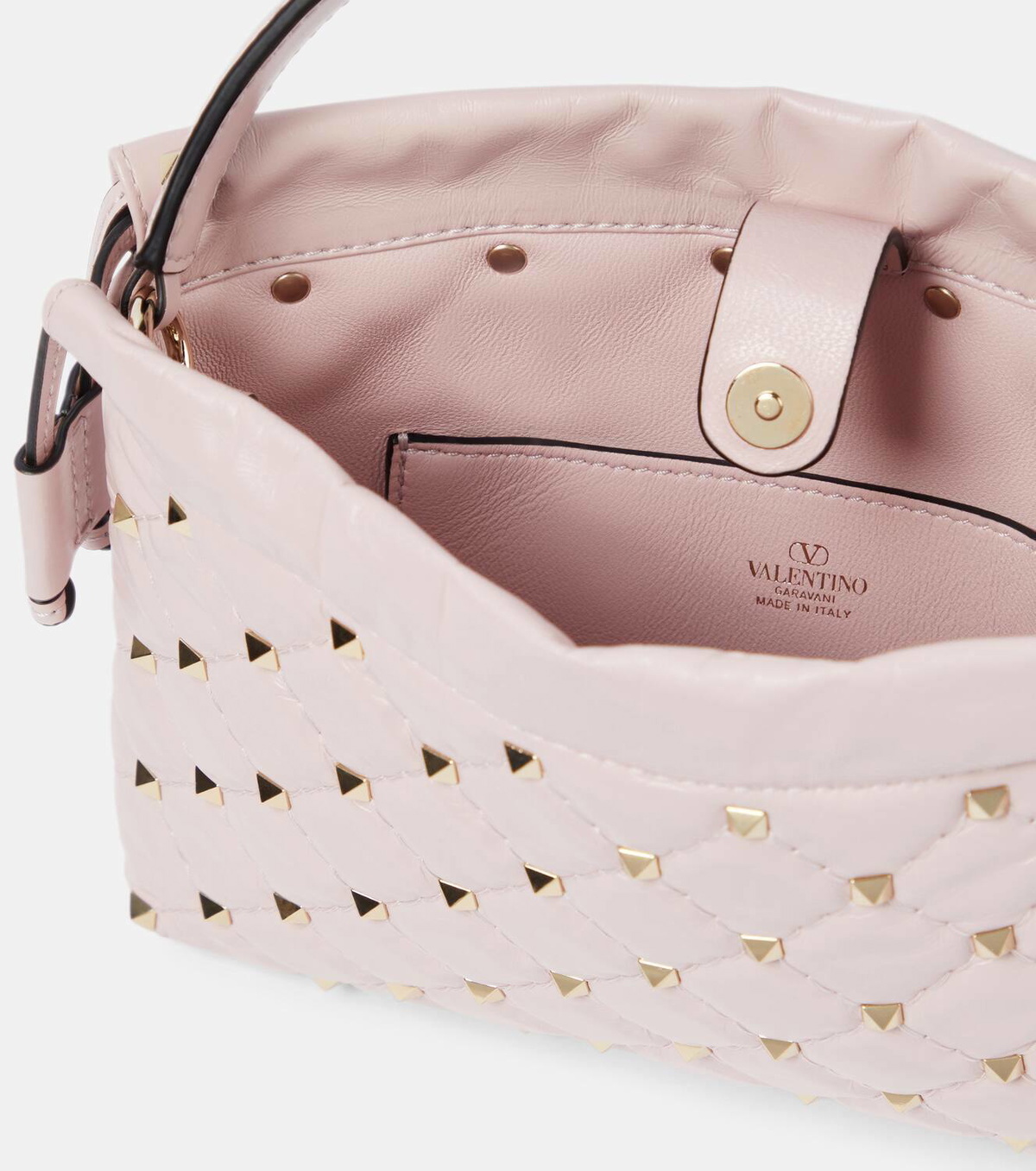
The surname on the interior tag of a bag from the Roman house is a contractual obligation rather than a styling choice. On account of the way the 1979 agreement divided the marks, together with the senior US rights position on handbags, Valentino S.p.A. does not present its leather goods under the single word Valentino. Adding GARAVANI is what keeps the mark distinct, which is why the tag and the advertising for bags carry VALENTINO GARAVANI in capitals. Inside the Roman house the same wording doubles as a naming convention: Valentino Garavani is used for accessories while Valentino and Maison Valentino cover ready-to-wear. That is one company applying one set of standards, not a lower tier and a higher one. The practical upshot is the most useful fact in the entire subject: a bag from the couture house says GARAVANI, and a bag that reads only Valentino outside and Mario Valentino inside is a genuine Mario Valentino, a different company selling at a different price point.

The 2019 lawsuit, and how it ended

In July 2019 Valentino S.p.A. sued Mario Valentino in the US District Court for the Central District of California, docketed 2:19-cv-6306. The counterclaims brought by Mario Valentino were dismissed in April 2021. The case itself settled and was dismissed without prejudice on 14 June 2024, on terms that were never disclosed. The words without prejudice matter here, because either side is still free to bring the matter back. Reporting also suggests that more than ten proceedings, arbitrations among them, remained live in Italy, meaning the 2024 dismissal wrapped up a single American case rather than the entire disagreement. The claims pleaded in that action were:

  1. Alleged false advertising and unfair competition.
  2. A claimed breach of the 1979 coexistence agreement.
  3. Handbags claimed to imitate the couture house’s designs.
  4. Alleged unauthorised use of the V mark on leather goods.

The dispute is reported to have escalated from 2017 onward, when handbag advertising started putting the word VALENTINO forward on its own. Because the case settled, none of it was tested to judgment, and there was no finding of wrongdoing against either company.
A second case, filed in 2022

A separate action ran in the opposite direction and involved a third party. Mario Valentino S.p.A. filed suit against Fashionphile Group LLC in the Southern District of New York in October 2022, under docket 1:22-cv-08984. The complaint alleged that around four hundred handbags had been listed on the resale platform as VALENTINO when they were in fact goods of Valentino S.p.A. The outcome of that case is unverified here and should not be described as resolved in either direction. The confusion over the name is not limited to the two companies: it extends to resale platforms, marketplace listings and everyone who describes a bag with one word. The lesson for a buyer is that the title of a listing is the least reliable part of any resale page.

Where each brand actually appears

The two companies reach shoppers through different channels, and that alone clears up much of the confusion. Sales for the Roman house run through its own webstore and boutiques and through a defined list of authorised retailers including Neiman Marcus, Bergdorf Goodman, Saks Fifth Avenue, Nordstrom, Mytheresa, Net-a-Porter, Farfetch, Selfridges, Harrods and Tessabit. The legitimate off-price outlet is THE OUTNET, the off-price arm of Net-a-Porter, though the depth of discount there is not something to state with confidence. The Naples company’s bags are the ones that appear on the shelves of American off-price chains, something verifiable from those retailers’ own brand filter pages. Which is why a Valentino bag sale at an off-price chain is very rarely what someone searching for the couture house has in mind. Neither situation involves anything improper: these are two companies selling their own goods through their own distribution. Observed 2026 market prices for the couture house’s leather goods ran from about $650 for a VLogo Signature clutch in grainy calfskin to $7,900 for an embroidered Panthea, all made in Italy, while Rebag’s data places the house’s average resale retention near 41 per cent.

Comparison point Valentino S.p.A. Mario Valentino S.p.A.
Origin Rome, in 1960 1952, Naples
Bag branding Valentino Garavani Valentino by Mario Valentino
Marking inside VALENTINO, GARAVANI, MADE IN ITALY Mario Valentino inside the item and on the packaging
Where it is usually sold Its own boutiques, plus Saks Fifth Avenue, Neiman Marcus, Mytheresa and Farfetch Off-price retail: Nordstrom Rack, Saks OFF 5TH, TJ Maxx

Separating the two in thirty seconds

Look inside the bag first, not outside. A couture-house bag has VALENTINO and GARAVANI in capitals on the interior tag, together with MADE IN ITALY, sewn on all four sides, the font weight consistent and the stamping evenly pressed. A serial number usually appears on a tag inside an interior pocket, though it is not universal, older pieces may have none, and an absent number by itself proves nothing. Date codes are not part of how these bags are marked, so any guide promising to decode a manufacturing date from the digits is describing something that does not exist. Exterior reading only Valentino, interior reading Mario Valentino: that is a genuine Naples-made bag from the other company. The trap works in both directions: a real Mario Valentino bag will fail a Garavani checklist while being completely authentic, so work out which company made the bag before asking whether it is real.

What this means when you shop

Neither company is the counterfeit here, and posing it as fake against real misses the point entirely. If the Roman house is what you want, search for Valentino Garavani instead of Valentino alone, and check the tag before you look at the price. Should the Naples company’s leather goods suit you, buy them knowingly and enjoy the lower price, which reflects a different business rather than a watered-down version of the same one. Where it goes wrong is in resale listings and third-party marketplaces that describe both with one word, which is precisely the territory the 2022 case covered. A pre-owned Valentino bag listed only as Valentino needs clear photographs of the interior tag before any money changes hands. Ask for those photographs, and a decades-old tangle turns into a two-second check.

Liberty Camo Sweater Godspeed Shirt Online

A Godspeed Hoodie, 10 Ways: Outfit Ideas That Work

A godspeed hoodie is a loud garment, and pretending otherwise is exactly how people wear one badly. What the New York label puts out is heavyweight fleece with puff print, embroidery and washes, and the texture reads clear across a room. Since the cut is boxy and relaxed, the silhouette has already done half the work before you pick anything else. Edit the rest of the outfit down rather than stacking more on top. Every one of the ten looks below follows one rule: a single loud anchor, then supporting pieces. Prices here are 2026 market estimates observed on the open market, not an official price list.

Begin With the Fit, Not the Graphic

Be honest about the way the hoodie sits on you before picking a look. Oversized and boxy is the house cut: a wide chest, a dropped shoulder and a hem sitting around the hip. On a slim build it looks like intentional volume; on a broader build it reads as a size too big. Going down a size is the standard fix, though it shortens the body and sleeve. The second lever is the bottom half, since wide over wide needs a deliberate reason to exist. Each look states the proportion it chases, so the logic transfers to whatever you own.

  • Volume above, taper below: the safest default.
  • Volume on both halves: needs a hard shoe and a short hem.
  • Bulk disappears under tonal washes and reappears with high-contrast accents.
  • Length without width: a long-sleeve underneath.

1. Black Wash Pullover, Straight-Leg Denim

This is the look the brand’s washes were built for. Start with straight-leg indigo denim and a black wash pullover. Because the boxy body stops at the hip, the leg line stays long. Keep the shoe low and chunky, in white or bone, so the eye lands somewhere clean. The same outfit does a coffee run and a show. Any back print calls for plain denim, so it can do the talking.

2. Bone on Bone: Quiet buy hoodie and Tonal

Nobody talks enough about the tonal half of god speed clothing. Set a bone hoodie against bone or cream trousers and let the print supply the only contrast. A flat palette hands the texture to the raised edge of the puff print. Bring in a grey wash beanie if you want a second tone rather than a second colour. This one survives an office-adjacent room where a red-and-black graphic would not. Footwear is the trap, so keep the shoe off-white, brown or black.

3. Hoodie Under a Varsity Jacket

Wool bodies, vegan-leather or vegan-suede sleeves: the varsity jackets are what people chase hardest. Numbered runs of 200 units with authenticity tags cover two of them, the F.T.D and Chrome Seduction varsities. The hoodie underneath is what the jacket was designed for, though two boxy garments will square you off. Size the fleece down or pick a lighter weight so the jacket still closes. Crushing the hood under the collar kills the silhouette, so keep it on the outside. Below the waist, straight denim or a tapered cargo, never another wide leg.

4. Full-Zip Under the Leather Moto

How a zip hoodie differs from a pullover becomes obvious under the leather moto. Half open is the right zip position, so the hood sits around the lapel rather than fighting it. Since a moto runs closer than a varsity, mid-weight fleece keeps the shoulders from bunching. Black on black is easy, but grey wash under black leather adds a seam of contrast. Keep the trouser plain and dark, since two textured outer layers are already the story. Boots finish this better than sneakers and restore the height a short hem takes away.

5. The Hoodie With Courtside Shorts

Hoodie-and-shorts counts as a real New York outfit from roughly April onward. 2026 observed pricing had Courtside shorts near $120, the Militia cargo version at about $140 and a nylon logo pair near $130. The proportion trick is hem length: end at or just above the knee. Pulled-up tall socks read intentional; ankle socks under a boxy hoodie read like laundry day. Match the wash family on the short and let the graphics do their own thing. This is the cheapest way to make a $200-plus fleece useful eight months a year.

6. Hoodie, Cargo Pants, Hard Boots

A heavier trouser buys the hoodie more room to relax. The Wax Flare premium cargo landed around $350 in 2026 observed pricing, with 3M reflective detailing. Pair it with a plain fleece carrying a small chest hit rather than a full back print. So the volume ends somewhere deliberate, cuff the cargo or let it stack on a boot. A belt counts for more than usual here, because the trouser is doing the structural work. Cargo pockets are visual noise on their own, so keep the palette to two tones.

7. The Hoodie With Tailored Trousers

Everything here rests on a clean hoodie, which is why it works when nobody expects it to. A pleated wool trouser with a proper break underneath, a blank or lightly branded pullover on top. What makes it work is heavyweight fleece against a pressed leg. A leather shoe finishes the outfit far better than a sneaker. Since the top is boxy, the trouser should sit at the natural waist rather than the hip. The fabric is the statement here, so save the skeleton and acronym graphics for another day.

8. The Hoodie Under the Puffer

Winter reduces most outfits to a coat, so build the coat layer properly. Shell, mid-layer, base: the label’s puffer, the hoodie as mid-layer and a long-sleeve godspeed shirt underneath. Adding a fourth layer normally ruins the line, and the three-piece stack does not need it. To keep the coat from looking borrowed, let the hood sit over the puffer collar. A puffer already adds width up top, so go slim below. Top it with a beanie in the $60 to $120 observed range, without introducing a new colour.

9. Hoodie With a Sweatsuit Bottom

Sets are core to the line, with Vital sets around $155 and the OG Logo Sweatsuit V2 near $295 in 2026 observed pricing. The easiest outfit in the catalogue is a full match, and it is also the hardest to make interesting. Split it by wearing a different-wash hoodie over the set’s own trousers. Since satin detailing on some sets picks up light, a matte fleece gives the eye somewhere to rest. The tracksuit leg finishes in volume as it is, so keep the shoe low and simple. Worn this way the set stops looking like a uniform.

10. Hoodie, Slides and a Beanie

This is what most hoodies actually get used for, which is why the off-duty version matters. Slides landed near $160 in 2026 observed pricing, a lot for corner-store footwear. Around them: heavyweight fleece, a plain sweatpant and a beanie in a matching tone. One item should be loud, and the rule says it is the hoodie. What ties it together is a thick ribbed sock in the hoodie’s accent colour. It travels well too, because the fleece works as a blanket.

2026 Pricing, Piece by Piece

All figures below are market estimates observed in 2026, never quotes and never guarantees. Pricing shifts with drops, restocks and stockist markdowns, and sold-out pages often show no number. The $200 to $270 band held the hoodies, one pullover spotted at $200 and the R.O.D hoodie listed at $270 retail on StockX. Godspeed shirts stretched from $128 to $200, with the majority between $150 and $170, sleeveless around $170 and long sleeve topping the range. Accessories carry the widest spread, from $60 beanies to $250 belts. Below is a rough map of what an outfit costs to assemble.

Piece What it does in the outfit Observed 2026 range (USD)
Pullover or zip hoodie Anchor $200-270
Short or long sleeve tee Layer underneath $128-200
Shorts, any cut Warm-weather bottom $120-200
Cargo trousers Structural bottom around $350
Premium jeans Clean leg line around $250
Sweatsuit or set Two-piece match $155-360
Headwear of any kind The finishing tone $60-150
A belt Structure at the waist around $250
A pair of slides Footwear for off duty around $160
A watch A small accent $80-100

Building a Rotation That Lasts

Ten looks out of one hoodie only works if the rest of the wardrobe stays deliberately plain. Two bottoms, one clean and one heavy, cover eight of the outfits above. Godspeed shirts in bone, black and grey wash carry more layering work than a second hoodie ever will. Drops are small and sell through, so buying neutrals first leaves you with a wearable closet. Wash heavyweight fleece cold and hang it, because a hot dry cycle shrinks the body and warps puff print. The graphic always finds an outfit; the fit is the part you have to plan for.

Italian Luxury Pants Latest Drop

Seasonal Palm Angels Collection Shifts Meriting Following

Palm Angels has nailed the art of reinvention without losing the DNA that made it a streetwear powerhouse. Every season, creative director Francesco Ragazzi rolls out innovative themes, surprising collaborations, and design pivots that ensure the fashion industry captivated closely. Since the brand debuted its first runway collection at Milan Fashion Week in 2018, each following season has built upon a narrative weaving Los Angeles skate culture with Italian tailoring in ways that appear honest and progressive. The luxury streetwear sector is expected to exceed $200 billion by 2027, and Palm Angels keeps on capturing meaningful market share by staying ahead of creative curves. This article explores the most significant seasonal trends through 2026 and spotlights where the brand is projected to be heading next. Whether you are a seasoned collector or a new follower, these observations sharpen your ability to anticipate upcoming releases and put money in pieces with enduring relevance.

Spring/Summer 2026: Desert Palettes and Deconstructed Silhouettes

The Spring/Summer 2026 collection represented a conscious pivot from the vivid palettes that characterized earlier warm-weather collections. Ragazzi derived inspiration from California desert landscapes, transforming sun-bleached earth tones, terracotta, dusty sage, and washed indigo into a collection that felt more evolved without giving up rebellious edge. Silhouettes were visibly deconstructed, with raw-edged hems on T-shirts, irregular jacket cuts, and consciously oversized proportions playing with volume and negative space. Light technical fabrics appeared more visibly than in previous spring collections, reflecting a broader shift toward garments working in hot climates while keeping sophistication. The breakout mesh-paneled track jacket sold out within 72 hours and pulls resale premiums of roughly 45 percent above its $650 retail price. Graphic treatments leaned toward tonal logo-on-logo designs rather than high-contrast prints, signaling a self-assurance in brand recognition that no longer needs maximum visibility for impression.

Fall/Winter 2025-2026: Gothic Undertones and Heavy Layering

The Fall/Winter 2025-2026 collection presented a more dramatic, more brooding side of Palm Angels that clicked deeply with both critics and consumers. Gothic-influenced graphics—skulls, monochrome flames, and distressed palm angels brand men typography—showed up across hoodies, bombers, and oversized scarves, crafting a consistent dark mood. Layering was central to the styling vision, with lookbook images showing four and five layers built from base tees through flannels, vests, and voluminous outerwear. Heavyweight fleece and quilted materials took center stage, with several pieces exceeding 400 grams per square meter—a considerable jump from the brand’s typical 300-350 GSM cold-weather range. The Moncler collaboration generated puffer jackets fusing Palm Angels graphics with Moncler’s legendary insulation technology, performing in sub-zero conditions and visually arresting. Industry sources noted the FW25-26 collection outsold its predecessor by approximately 20 percent in the first month of availability. The gothic pivot validated fans welcome aesthetic boundary-pushing when execution preserves the quality and attitude they look for.

Major Trend Categories Across Recent Seasons

Trend Category SS25 FW25-26 SS26 Projected FW26-27
Prevailing Palette Neon, tropical brights Black, burgundy, charcoal Desert earth tones Deep navy, forest green, rust
Silhouette Relaxed but defined Voluminous, layered Undone, off-balance Tailored-oversized hybrid
Main Fabric Lightweight cotton, mesh Dense fleece, quilted nylon Technical mesh, washed cotton Bonded wool, technical blends
Graphic Style Striking multi-color prints Gothic monochrome Tonal logo-on-logo Embroidered minimalism
Collaboration Under Armour capsule Moncler puffer collection New Balance footwear TBA (rumored automotive)

Collaboration Collections That Molded the Direction

Collaborations have been a central feature of Palm Angels’ growth, with each partnership deliberately projecting the brand into connected cultural territories. The Moncler collaboration, running since 2020, continues to be the most financially successful partnership, generating estimated revenues exceeding $30 million across all capsule releases through 2026. The Under Armour partnership introduced Palm Angels into competitive athletics, yielding training-ready apparel carrying Ragazzi’s graphics into gyms and running tracks until then virgin territory by luxury streetwear. Spring/Summer 2026’s New Balance collaboration produced three sneaker colorways combining palm tree motifs with the 990v6 silhouette, capturing sneakerheads and fashion consumers at once. Each collaboration executes a reliable formula: partner with a brand commanding deep credibility in a specific domain and introduce Palm Angels’ visual language without diminishing either identity. As Business of Fashion has noted, Palm Angels’ collaboration model serves as a masterclass for how mid-size luxury brands grow awareness without flooding with mainline collections. The selectivity—two to three partnerships per year rather than monthly drops—sustains a sense of exclusivity that keeps alive consumer interest across seasons. Market speculation implies a Fall/Winter 2026-2027 automotive brand collaboration signifying Palm Angels’ first lifestyle merchandise expansion beyond apparel and accessories.

Color Trend Trajectory and What It Indicates

Following Palm Angels’ color choices across seasons shows intentional strategy paralleling broader cultural movements while maintaining unique brand personality. The vivid neons of 2024 and early 2025 mirrored post-pandemic optimism sweeping the entire fashion sphere. The shift toward gothic darks in FW25-26 corresponded with the quiet luxury trend, though Palm Angels in signature fashion added rebellion with distressed graphics blocking corporate or conservative reads. Spring/Summer 2026’s desert earth tones placed the brand alongside rising interest in sustainability-conscious aesthetics, even as construction continued in premium synthetic and cotton blend territory. Ragazzi describes color as a visual tool, with each seasonal palette working as a chapter in an evolving visual narrative. Early adopters who monitor these trends can predict collection directions—those who scooped up earth tones before SS26 found themselves ready to blend new pieces seamlessly. Knowing color trajectory also aids resale strategy, as pieces in presently trending palettes regularly command better secondary-market prices than off-trend seasons.

Footwear and Accessories: The Evolving Frontier

While apparel continues as core business, Palm Angels’ footwear and accessories have surged markedly in both revenue and cultural relevance through 2026. The Vulcanized sneaker line, launched in 2021, has matured into a staple with annual updates in material and colorway maintaining the silhouette fresh. The New Balance collaboration sneakers reportedly moved over 15,000 units in the first week, validating Palm Angels competes successfully alongside significantly larger athletic brands. Accessories have expanded too, with crossbody bags, bucket hats, and phone cases emerging as entry-point products attracting consumers at $80 to $300 before they move up to higher-priced apparel. Eyewear grows at roughly six new styles per season, each capturing the collection’s thematic direction. These categories deliver social media visibility, as accessories are among the most posted items on Instagram and TikTok, where Palm Angels maintains a combined following exceeding 5 million. For trend followers, the accessories lineup consistently yields early clues about aesthetic directions appearing in mainline apparel the following season.

How to Maximize Access to Palm Angels Seasonal Drops

Enhancing access to seasonal releases takes combining information sources, timing awareness, and savvy purchasing beyond merely checking the website on launch day. Follow Palm Angels’ social media channels with notifications enabled, as the brand reveals upcoming pieces through Instagram stories days before items go live on the official e-commerce site. Sign up for newsletters from both Palm Angels and authorized retailers like Ssense and Antonioli, who sometimes begin pre-orders before mainstream availability. Fashion week coverage offers the earliest collection previews—runway pieces generally reach retail four to six months later, giving you generous time to plan your budget and wishlist accordingly. Monitor resale platforms to determine which current-season pieces are generating the most secondary-market demand, as high premiums typically point to limited production runs worth prioritizing when restocks briefly become available. Follow community channels on Reddit and Discord where members regularly drop restock alerts, sizing advice, and early reviews supporting smarter purchasing decisions. Establishing relationships with physical retail sales associates can open up access to reserved pieces and advance stock notices that purely online shoppers simply cannot match.

Spider Official Hoodie Outlet Overview Destination Manual Spider Brand

Exclusive Young Thug Hoodies Designs

Fashion has usually flexible, at any time-changing field in which people have been able to show themselves. Our clothing things are one of the most in-demand goods currently available. Using this type of versatile component of garments apparel, your clothing collection can look elegant and cozy. The clothing has drawn style enthusiasts from around the world. Higher-top quality supplies plus a distinctive style will entice design men and women. A number of sizes and colors are also offered for that Hoodie. Our apparel selection available Online with the Sp5der Globally retail store has other functions, which include adaptability. No matter the function or attire you use, this piece of clothes is versatile. You will enhance your personality and make your wardrobe stand out, by wearing this hoodie. Along with it, try on some many different types in sp5der hoodies, and will also be the perfect accessory for your character. Hoodies are a good selection for any period as they are comfortable and versatile. An edgy appearance can be accomplished with this form of hoodie since it has extended sleeves and a large hood. The best way to help keep warm and stylish although showing off your thing.

Wondering the best places to choose the right hoodies for men? You might be in the best place. Hoodies certainly are a must-have for anybody as well as any year. When evaluating hoodies, Sp5der-Person hoodies are the initial and finest solution you think of. The assortment of hoodies we provide has unique designs, a number of vibrant shades, and sizing that suits the body. Every thing, from material to stitches, is the ideal. A large range of patterns and colors allows you to choose a Sp5der hoodie to match your flavor.

Worldwide Hoodie Overview

Sp5der: Stand Above the audience

Sp5der gives a range of streetwear that’s excellent for individuals who desire to express their unique style. Our series features daring designs and high-top quality resources, making certain you https://spidershirt555.com/og-web-tee-white.html appearance and feel the best.

Hoodies that Make an announcement

Our personal hoodies can be a must-have for any Sp5der supporter. Produced from soft, cozy fleece, they’ll help keep you warm in cooler weather conditions. Choose from many different shades and graphic styles to discover the best hoodie to fit your individuality.

Comfy Trousers for Daily Wear

Sp5der pants are equipped for the two style and comfort. We provide a selection of types, from joggers to tapered suits, to suit your personal preference. No matter if you’re soothing both at home and operating errands, our slacks can keep you relocating readily.

Full Your Look with a Tracksuit

To get a synchronised seem, take a look at our variety of Sp5der tracksuits. These two-item sets appear in a number of styles and colors, making it straightforward to generate a brain-to-toe Sp5der attire.

Don’t Forget the Shirts

Sp5der delivers a variety of graphic tees and option-up tops to complete your streetwear type. Our t shirts are produced from breathable fabric that are perfect for each day use.

Sp5der: The Ideal Selection for Streetwear Enthusiasts

Sp5der clothing is great for these who want to differentiate yourself from the competition. Using our range of pants, hoodies and tracksuits and t shirts, you’re likely to locate a thing that you’ll enjoy. Store Sp5der today and convey your distinct fashion!

Denim Tears Fan Page Buy Denim Tears Online

Is a Denim Tears Hoodie Actually Worth It? A Frank Cost Breakdown

Every version of this question has the same shape. A cotton wreath hoodie surfaces in a group chat, the price gets looked up, and the comparison against a basic fleece pullover at a fifth of the price follows within seconds. Nothing is unfair about that comparison, and a shrug or a sales pitch answers nothing; it deserves a serious answer. The accounting here is taken seriously: what a Denim Tears hoodie costs in 2026, what the outlay actually purchases, and where the value case holds and where it breaks down. Read every figure below as an estimate or a range rather than a quotation, since release, size, colourway and channel all move the price.

Tremaine Emory founded Denim Tears in 2019, and its central graphic — the cotton wreath — makes a specific historical reference to cotton cultivation, the transatlantic slave trade and African-American history. That history is not a footnote added for marketing, and it explains why the garment exists in the form it does. A cost breakdown can coexist with that fact without flattening it, and the honest version of this analysis treats the design as meaningful rather than as a logo that happens to move units.

The Sticker Price as of 2026

In 2026 the standard cotton wreath pullover from Denim Tears estimates out at $250 to $400, while heavyweight or seasonal variants crowd the upper edge. Clustered at the top are zip-up constructions and collaborative-capsule pieces. The secondary market is wider and less predictable, sometimes dipping below retail for common colourways and sometimes running well above it for sold-out drops. Sizing also warps the picture, since mediums and larges sell through fastest and the leftover extremes get discounted. For context, the brand’s jeans estimate around $300 to $500, tees roughly $100 to $200, and sweatpants somewhere near $250 to $350. Searching denimtears as a single word will find that spread repeated in resale listings, which is a useful sanity check before committing.

Line-Item Breakdown: Where the Money Really Goes

It helps to split a roughly $300 hoodie into the components that generate its cost, because that number is not a single thing. Blank cost is the smallest slice, https://denim-tears-hoodie.net/ and the one most often underestimated: a genuinely heavyweight fleece body, typically in the 12 to 14 oz range or around 400 to 480 gsm, costs several times what a 280 gsm promotional blank costs. Decoration is the second slice, and multi-colour printing on a dense wreath graphic needs more screens, more passes and more rejects than a single-colour chest hit. A whole layer of cost never touches the garment at all: design labour, sampling, short runs, distribution and the margin a small independent label needs to stay solvent. Last is brand premium, which is real and which buyers should price consciously rather than pretend away. The breakdown below illustrates the shape of it; it is not a disclosed cost sheet.

  • Heavyweight fleece body and make: around 12 to 18 percent of retail
  • Developing the print and running multiple passes: about 8 to 12 percent
  • Small-run production overhead, sampling and design: around 15 to 20 percent
  • Distribution, wholesale and retail margin: roughly 30 to 40 percent
  • The remaining share goes to brand premium and scarcity

The Number That Actually Settles It: Cost Per Wear, Honestly

The sticker price alone is a weak proxy for value; cost per wear is the honest replacement. Split the purchase price across the number of realistic wears you will get over the years you own it, and the picture shifts quickly. Take a $320 denim tears hoodie, wear it twice a week for four years, and the cost lands under a dollar per wear — cheaper than most people’s coffee habit. The identical hoodie, bought for an occasion, worn six times and shelved, costs more than fifty dollars per wear. Heavyweight fleece works in favour of this calculation because 400 gsm-plus fabric survives repeated washing better than thin jersey, retaining shape at cuffs and hem, the first places cheap garments fail. Below are four honest scenarios rather than the flattering one.

Buyer profile Est. 2026 price paid Wears per year Years in the wardrobe Approximate cost per wear
Daily rotation staple $320 90 4 $0.89
Weekends and travel $350 35 5 $2.00
Statement piece, worn rarely $400 12 3 $11.11
Bought, barely worn, resold $380, with $250 recovered 2 1 $65.00

The Same Hoodie, Three Different Verdicts

The first buyer wears hoodies almost every day and keeps four or five going at once. The arithmetic alone defends the purchase, because it takes the place of cheaper hoodies that would have been replaced twice in the same span. The second buyer wants one good layer for travel and weekends and otherwise dresses differently for work. Two dollars per wear remains comfortably reasonable, and it justifies the space it takes. Buyer three wants a specific look for a specific season and is honest that their taste rotates quickly. They are not really buying a garment; they are renting a moment, and they should budget accordingly instead of telling themselves it is an investment.

Where the Value Case Struggles

Real counter-arguments exist here, and this becomes an advertisement rather than a breakdown the moment they are skipped. On stitching and fabric alone, construction at this tier is good without being categorically better than a well-made $120 heavyweight blank. Boxy is the intention, not a flaw, so a trim silhouette is not on offer in any size — the drop shoulder sees to that. The most common practical gripe across graphic streetwear generally is print durability, and every dense graphic fades with repeated hot washing, no matter the label. Availability is inconsistent, which means the colourway you actually want may exist only on the secondary market, at a markup. And a plain denim hoodie or an unbranded fleece covers the pure function of staying warm for a fraction of the outlay.

The Resale Cushion Most Buyers Ignore

A factor that rarely makes it into the calculation is recoverable value, and it materially changes the risk. Established graphic pieces from the label have broadly held a meaningful share of retail on resale, with common colourways often changing hands near 60 to 85 percent of original price when in good condition. No guarantee is implied, and none of this is investment advice — just an observation about several years of category behaviour. The practical upshot is that going off the piece costs part of the money, not all of it. More than anything else, condition sets the recovery, so original tags, a cold wash and flat drying are what protect the figure. The rarer collaborative pieces are the wild card, a fact that cuts in both directions.

The Short Answer

If hoodies are a daily habit, you want something heavyweight to keep for years, and the design matters to you as work rather than as a status marker, then a Denim Tears hoodie is worth it. It is not worth it if you are buying to signal, if your taste turns over each season, or if buying it means stretching the budget. The wider catalogue — the denim tears jeans built on Levi’s 501s, the tees, the sweatpants many shoppers search for as denim tear pants — obeys the same logic, and the collaborative work with Converse, Stüssy and Dior occupies the same premium tier. As clothing you will wear, at a price that does not hurt, the arithmetic works. As an asset or an obligation, it falls apart. The dullest test is the one that works: honestly picture the next thirty days, count the days you would reach for it, and let that number — not the drop calendar — decide.

Dubai Luxury Practice Trusted Across The Design District

Interior Design Work in Sharjah and Abu Dhabi: The Practical Guide

Dubai attracts the bulk of the attention, but two of its neighbours discreetly account for a significant share of the region’s interior work. A short drive north, Sharjah is counted among the most budget-friendly emirates for home makeovers and family villas. To the south, the capital city Abu Dhabi sits at the opposite end of the scale, pairing prime waterfront homes with a methodical, standards-led approach to approvals. For anyone owning in either emirate or planning across both, the rules, costs and expectations are not identical to Dubai’s in ways that reward early planning. In clear and practical language, this guide explains what truly changes once you cross the emirate border. Use it to scope budget, timeline and paperwork before you brief a single designer. A bit of groundwork now spares you costly surprises once contractors are on site.

Sharjah: what to expect

Buyers after space and good value over skyline glitz find a fit in Sharjah. The stock is mostly larger villas, family townhouses and mid-rise apartments, so briefs tend to prioritise durable, practical interiors built for big households. As a 2026 market estimate, standard residential fit-out here commonly lands in the AED 75 to 250 per apartment interior designers square foot band, with mid-range schemes edging up to AED 300 to 400 when finishes step up. Cultural context carries more weight in Sharjah’s design language, so dedicated majlis spaces, clear guest-and-family zoning and modest, warm palettes feature more than in Dubai’s tower apartments. Much like the rest of the UAE, a typical villa takes roughly ten to fourteen weeks of design and fit-out, with larger homes taking longer. Plenty of Dubai-based studios handle Sharjah projects, so your choice of designer is not limited to local firms. Joinery-led work such as custom kitchens and fitted wardrobes is the norm here, and in-house manufacturers like ORA Group and Al Banan Group suit the value-focused brief.

Abu Dhabi: what you should know

On budget, Abu Dhabi is nearer Dubai, but its process is more formal. From Saadiyat and Yas Island villas to Corniche apartments and gated compounds, the capital’s residential stock is varied, and top-end expectations are high. As a 2026 estimate, luxury villa interiors here can reach AED 600 to 1,200 per square foot and beyond, while ultra-prime waterfront homes push higher still. Design taste favours quiet, understated luxury and generously proportioned rooms, reflecting the capital’s more reserved character. Because approvals go through Abu Dhabi’s own authorities rather than Dubai’s, the documents, inspectors and community rules differ even where the design does not. Baking this regulatory difference into your timeline early is the most useful step you can take on an Abu Dhabi project. Larger contractors like Depa work at this scale too, handling complex fit-outs across the capital’s prime developments.

Approvals and permits across the emirates

Approval is required in every emirate before fit-out work begins, yet the authority and the details shift the moment you leave Dubai. In Dubai itself, most areas run through Dubai Municipality, with the Dubai Development Authority or Trakhees covering certain communities and free zones, plus Dubai Civil Defence for fire and life-safety. Sharjah and Abu Dhabi each run their own municipal and civil-defence equivalents, so an NOC from the building owner remains the first step, but the permit system behind it is separate. It matters most when you are juggling projects in two emirates at once, since one emirate’s approval will not carry over in another. As a 2026 planning estimate, straightforward approvals usually take about three to ten working days per authority once documents are complete. Before you lock in a start date, always check the current requirements with the relevant local authority.

Budgeting a cross-emirate project

Costs move with location, specification and logistics, and crossing an emirate line can move all three. Of the three, Sharjah typically offers the lowest residential rates, so many families renovate there instead of in Dubai. Abu Dhabi lands closer to Dubai’s mid-to-high range, especially for villas on the islands. Across the UAE, design-only fees generally come to about 10 to 20 percent of the project budget, or roughly AED 175 to 550 per square foot as a standalone service, and those bands hold across all three emirates. When your contractor is based in one emirate but building in another, transport and mobilisation add a genuine line item, so account for travel, material delivery and any duplicate approvals. A contractor already registered in your emirate can cut this friction and speed up the approvals that follow. The table below compares typical residential ranges as 2026 market estimates.

Emirate Fit-out cost per sq ft (2026 est.) Typical residential project Lead approval authority
Sharjah AED 75 to 400 Family villas and townhouses Sharjah municipal and civil-defence bodies
Abu Dhabi AED 250 to 1,200+ Island villas, Corniche apartments Abu Dhabi authorities and civil defence
Dubai (for comparison) AED 200 to 1,200+ Tower apartments and villas Dubai Municipality, DDA or Trakhees

Finding the right designer across the emirates

Reassuringly, working in Sharjah or Abu Dhabi does not restrict you to firms based in those emirates. Plenty of established Dubai studios take on projects across the UAE, mobilising design teams and trusted contractors wherever the site sits. When shortlisting, ask outright whether a studio has recent experience with your emirate’s authorities, because familiarity with local approvals compresses the timeline. It also helps to confirm who manages the on-site fit-out, since a designer may subcontract execution to a local team. Ask for a clear scope that separates design fees from construction costs so proposals can be compared fairly. Finally, make sure that the studio can attend site regularly, as travel between emirates affects supervision and response times.

A quick checklist before you start

Before you sign anything, a short sequence of checks will save time and money in either emirate. Whether you are renovating a Sharjah villa or fitting out an Abu Dhabi apartment, the steps below hold. Work through them in order, since each one informs the next. Make the budget band and authority confirmation your non-negotiable first moves. This list keeps things practical rather than theoretical. Tailor the detail to your particular building and community.

  1. Confirm which authority governs your building and what it currently requires.
  2. Get a written NOC from the owner or management before the design work firms up.
  3. Fix a realistic budget band in AED per square foot for your emirate and finish level.
  4. Shortlist designers who are comfortable working in your emirate and community.
  5. Settle on a phased timeline covering permits, execution and snagging.
  6. Build in contingency for cross-emirate logistics if contractor and site differ.

Deciding

Choosing between Sharjah and Abu Dhabi, or running a project in each, hinges on what you are optimising for. Sharjah rewards value, space and family-focused layouts, making it ideal for larger homes on tighter budgets. Abu Dhabi is a fit for those after a prime, quietly luxurious result who are willing to work within a more formal approvals system. In both, the fundamentals hold, so confirm the authority, secure the NOC, set a clear budget band and phase the timeline properly. Dubai studios routinely work across all three emirates, so talent is rarely the constraint, and planning usually is. Get the paperwork and budget framing right early, and either emirate can deliver an excellent result in 2026. Think of the border between emirates as a planning detail to manage rather than a barrier to a great interior.

Choose Fake Vale Online Verified Seller vale fit

Vale Sweatshirt 2026 Buyer’s Guide: Fit, Materials, Drops, Authenticity, Pricing

This handbook gives you these exact frameworks for choose the proper size, fabric, and release strategy when buying a Vale Sweatshirt in 2026, plus a clean authenticity and pricing guide. The focus remains practical: how the piece should sit on body, the way the textile acts, how drops get structured, and what fair value seems like in today’s current market.

What type of person is this guide for?

Anyone weighing their first Vale Forever hoodie or improving a rotation with an eye for fit accuracy, fabric performance, and long-term value will receive utility here. If you prefer enduring silhouettes, premium touch, and limited drops over trend-chasing, this is written for your criteria.

Vale Forever Forever sits where boutique craftsmanship intersects urban minimalism, thus choices hinge around nuance: how significant drape you want, whether you choose brushed warmth over terry breathability, the way to move fast during drops while not compromising verification, and when a resale price is yet rational. The next sections translate that nuance into step-by-step decisions rather not abstract style advice.

The Vale Forever DNA: silhouette and design

Expect clean lines, understated palettes, and one intentionally oversized profile that reads casual yet refined not than sloppy. This design language favors timelessness over graphics-heavy statements, with heavy knits and thoughtful construction doing most of https://fakevale.com/ the expression.

Silhouette-wise, Vale Forever hoodies typically present a boxier midsection, longer and wider ribbing to secure the hem and cuffs, and a generous hood that frames the head without collapsing. The minimalism is deliberate: the proportion, construction, and fabric texture make the piece feel premium while in motion. This identity rewards careful sizing, since even 0.5 a size shift can shift the vibe from structured drape to balloon. Because the brand leans into thoughtful fashion principles and limited runs, construction touchpoints like seam density, knit integrity, and consistent pigment depth matter as much as brand logo.

What fit ought you actually buy in 2026?

Choose standard sizing if you want the Vale signature boxy-oversized look, go down one when you prefer neater shoulders and reduced length, and size up only when you plan on layer over bulkier mid-layers or seek an exaggerated casual profile. The goal is controlled volume, not excess mass.

Start by deciding about your silhouette outcome: neat-relaxed for everyday wear, or dramatic-relaxed for a bold look. If you sit between sizes, leverage your shoulder breadth and torso span as tie-breakers not than just chest circumference; the shoulder seam or arm drape dictates presence more than body room. Consider the footwear and lower wear: wide trousers plus chunky sneakers can handle more garment volume, while tapered denim or narrow cargos pair better with a more accurate fit. Think about arm stacking too; longer rib cuffs can handle a small oversize without seeming sloppy. If one layer a t-shirt and flannel beneath, one size up is justified; when you wear only a tee, stay to true-to-size for the cleanest appearance.

One measurement workflow that removes guesswork

Anchor your size selection by measuring a hoodie you currently love for fit, then match those measurements to the product’s posted specifications or request these numbers from support prior to buying. Chest span, back length, plus sleeve outseam are the three must-haves.

Position your reference garment flat and gauge pit-to-pit across your chest, center rear from the collar seam to bottom, and shoulder-to-cuff down the outside. Account for rib stretch; heavy ribbing relaxes past a few washes, so a moderately snug cuff measurement can be okay. Compare the dimensions to the published garment measurements; prioritize chest and size, since sleeve length has more flexibility via stacking. When measurements aren’t listed, ask for the specs or compare fitted shots to people with stated height and size for a relative gauge. Account for wash behavior: high-gsm fabric can tighten slightly on the first wash if never pre-shrunk, so build a 1 to 2 percent shrinkage allowance unless your product page states pre-washed or pre-processed.

Materials decoded: fabric, terry, dye, and hardware

Nearly all premium hoodies operate in heavyweight textile knits, usually plush fleece for comfort or loopback classic terry for airflow and drape. Color methods shape color depth and hand-feel, while trims and stitch choices affect durability and comfort.

Brushed fleece contains a soft, fluffy interior created through raising the loops; it traps heat for warmth while feels instantly cozy. French terry contains unbrushed loops on the inside, breathes better, and keeps a slightly cleaner silhouette with reduced internal fluff. Material weight, expressed using gsm, informs both warmth and shape; heavyweight streetwear often lives between roughly 430 and 500 gsm, while midweights hover lower. Coloring impacts character: item dye typically yields richer depth with subtle tonal variation, pigment dye reads lived-in from the first day one, and piece dye maintains more uniform uniformity. Stitching plus construction matter: doubled seams at stress points, tidy coverstitch lines, and seamless neck taping boost long-term wear. Fasteners on drawcords plus eyelets should seem solid, with clean finish and no burrs, while strings should move smoothly without fraying.

Warmth, drape, plus durability: how material weight changes performance

Heavier weight increases warmth plus structure, medium builds balance year-round use and mobility, while lighter builds prioritize breathability and faster break-in. Pick gsm based on climate and how you layer, not just perceived quality.

Heavier knits offer sculpted drape with visual presence, which pairs with Vale’s oversized ethos; these also resist breeze better but might run hot indoors. Midweights flex across seasons and function nicely under outerwear without creating volume at the arm opening. Loopback terry within the mid-to-high spectrum offers the best of both aspects for cities featuring shoulder seasons. If you run heated or want greater movement at your elbows, move down a weight level and rely on layering. For durability, look at textile density and fuzzing resistance rather than weight alone; one tightly knit 420 gsm terry may outlast a looser 480 gsm fabric in high-friction regions.

Textile/Design Common GSM Band Primary Strength Optimal Use Size/Fit Behavior
Soft Fleece (Heavy) Four-thirty to five hundred Heat and plush comfort Cool weather, statement drape Slight first-wash tighten; softens with wear
Classic Terry (Mid–Heavy) 380-470 Airflow and structure All-season, layering under coats Stable; loops relax a bit without bagging
Piece-Dyed Cotton Changes by knit Color depth and aged tonality Monochrome wardrobes, muted palettes Little shrink if pre-washed; color will patinate
Pigment-Dyed Cotton Changes by knit Worn look from the first day one Easy, textured fits Softens and lightens around seams over use

Drop mechanics for 2026: where plus how releases take place

Vale operates limited drops publicized through official channels, with inventory that moves fast and rarely restocks quickly, so preparation beats speed at buying. Expect announcements on social and newsletter, with product pages going live during posted times.

The brand’s slow fashion stance indicates tighter runs instead of than perpetual replenishment cycles. Monitor the official site plus the brand’s official social profiles about drop windows plus lookbooks. Build one simple prep routine: make an profile in advance, save your address and payment details, and log in ten minutes before each drop. Use a single device and one stable connection for reduce friction within anti-bot checks. When a drop includes multiple colorways, order your picks in advance of time for avoid indecision while shopping. Post-drop, sign on for back-in-stock notifications where available, but don’t bank upon immediate replenishment. Hold an eye on archive or collection announcements; smaller collections can land unexpectedly without fanfare other than a short preview window.

Authenticity protocol: confirming a Vale pullover without guesswork

Confirm by source initially, then by product details, then through consistency across collection identifiers; never count on a single tell. Official shops and verified social links are your primary trust foundations.

Start with the seller. The official store and any associated retailers from their brand’s verified profiles are the best paths. If purchasing secondhand, require sharp photos of both front, back, inner tags, and close-ups of stitching, ribbing, and drawcords. Confirm the hangtag plus internal care marking information aligns through fiber content and washing instructions, while ensuring that typography remains crisp and steady. Inspect stitching tightness and cleanliness along the kangaroo pouch, arm seams, and neckline; sloppy construction intersections are a red flag. Compare color and panel proportions to brand product imagery or editorial shots of the same season; counterfeit pieces frequently miss subtle head covering shape, rib length, or pocket design. Use reverse image search to catch stolen listing photos. Pay through systems with buyer security, and avoid external payments that eliminate recourse. When in doubt, walk off; scarcity should never pressure a questionable purchase.

Pricing and worth: retail, resale, plus total cost of ownership

Worth lives where construction quality, fit precision, and usage amount meet your financial plan; retail is your cleanest path, resale can be acceptable within reason, while hidden costs come from bad measurements and poor handling. Think lifetime wear, not just sticker price.

For retail, examine the official store for current pricing, taxes, and shipping; boutique labels seldom discount core colors during season, though archive items can appear later. Across the secondary marketplace, judge listings by condition, proof for purchase, and material integrity rather instead of hype. Compare listing price to recent sold prices through established marketplaces, filtering by identical model and size, and be wary about vague “worn one time” claims without photos of cuffs, bottom, and pocket seams. Total cost includes tailoring or returns if you get wrong your size, plus care supplies such as gentle detergent. If you wear a hoodie fifty through a hundred times per year, a higher-quality piece with minimal pilling plus stable ribbing frequently amortizes below mid-tier alternatives within one season or two. Paying slightly extra for the exact right size plus fabric generally beats chasing a bargain that fits wrong.

Care, tailoring, and long-term wear

Wash cold, inside-out, and line hang dry to protect tone, structure, and ribbing recovery; heat is the enemy for shape and depth of tone. Small tailoring can clean up sleeve dimensions or hem while not compromising the profile if done via a professional familiar with knits.

Choose a mild, gentle detergent to maintain garment dye integrity and minimize abrasion. Avoid fabric conditioner, which can reduce loft in brushed fleece and reduce absorbency in terry loops. Turn items inside-out before washing to limit face pilling, and hang dry flat on a rack to prevent stretching around the shoulders. Apply steam rather than iron when possible; if you must iron, use low temperature and a pressing cloth. For fuzzing, a gentle textile comb or powered depiller restores the face without affecting the knit when used sparingly. Alterations should be careful: reducing sleeve size from the cuff or tightening the hem rib channel is feasible, whereas aggressive body alterations can distort hang. With basic maintenance, high-quality heavyweight fabric knits will preserve color, structure, and hand-feel across years, rewarding the slow-fashion approach that supports the brand’s philosophy.

Elite Interior Consultants Known For Fast Work

Villa vs Apartment Interior Design in Dubai: A Company Guide

Villa and apartment projects may both qualify as interior design, but in Dubai they are distinctly different undertakings. Scale, budget, approvals and even the choice of studio change depending on which you own. An apartment in Business Bay and a villa on Palm Jumeirah demand different skills and logistics. This guide places the two project types side by side and flags the firms that suit each. It uses 2026 market estimates so you can plan with realistic figures rather than guesswork. The point is to help you brief the right studio for the right kind of space. Read both sections, then have the comparison table frame your own decision.

Designing apartment interiors in Dubai

Apartment interiors in Dubai tend to be more contained, which brings both limits and economies. A two-bedroom apartment of roughly 1,100 to 1,500 square feet is a frequent brief across Downtown Dubai, Business Bay and JLT. Budget schemes are commonly put around AED 200,000 to AED 340,000, mid-range around AED 400,000 to AED 750,000, and high-end from AED 800,000 to AED 1.8 million-plus (market ranges). Timelines are generally the shortest in residential work, commonly around six to ten weeks for design and fit-out. Building-management rules and shared services mean that access and sign-offs have to be planned carefully. Studios like Muse Design, VSHD Design, Zen Interiors and Sneha Divias Atelier are well matched to polished apartment work. Their strengths in spatial planning and refined detailing pay off in compact, high-value interiors. Smart storage and clever zoning often deliver the largest visible gains in these homes.

Designing villa interiors in Dubai

Villa interiors unfold across a larger canvas, with more rooms, outdoor space and structural freedom. Budgets cover a wide range, from about AED 80,000 to AED 250,000 for simpler schemes up to AED 250,000 to AED 600,000 at mid level. Luxury villas commonly run from AED 600,000 to AED 2 million-plus, while ultra-prime homes on Palm Jumeirah or Emirates Hills can reach AED 2.5 million to AED 6 million-plus (market estimates). Timelines extend accordingly, interior-designers-uae.com/dubai typically ten to fourteen weeks and twenty to thirty-six weeks for large luxury builds. The added scale rewards firms with turnkey design-and-build capacity and strong project management. Luxury Antonovich Design, CK Architecture Interiors and ALGEDRA Interior Design are strongly associated with high-end villa work. Muse Design and Zen Interiors also keep villa-heavy residential portfolios worth considering. Outdoor living, landscaping and pool areas often form part of the fuller brief.

More than budget: scope, MEP and smart-home

Budget headlines conceal an important distinction in scope between the two project types. Villas usually involve far more mechanical, electrical and plumbing work, along with landscaping, pools and larger joinery packages. That additional complexity is one reason luxury villa timelines stretch to twenty to thirty-six weeks in 2026. Apartments condense value into fewer square feet, so finishes, storage and lighting carry more weight per room. Smart-home and smart-MEP integration, a signature 2026 trend, is easier to specify comprehensively in a villa. Apartments can still be automated, though shared building systems place practical limits on what you can change. Sustainability and biophilic features, from eco-materials to planting, also scale differently between the two. Ask any studio how it manages these systems, because they shape both cost and programme.

Villa vs apartment at a glance

The table below places the two project types side by side on the factors that weigh heaviest. It builds on 2026 market estimates and typical regulatory practice in Dubai. Treat the figures as planning ranges, because every property, community and specification is different. Use the best-fit firms row to link your shortlist to studios with the right track record. Read it next to the detailed sections above rather than on its own. The objective is a quick, honest comparison to sharpen your own brief.

Factor Apartment Villa
Typical footprint ~1,100–1,500 sq ft (2-bed) Substantially larger, multi-room
Typical budget ~AED 200k–1.8M+ ~AED 80k–6M+ (ultra-prime)
Timeline ~6–10 weeks ~10–14 weeks (luxury 20–36)
Sign-offs Building NOC + fit-out permit Community NOC + fit-out permit
Firms that fit Muse Design, VSHD Design, Zen Interiors Luxury Antonovich Design, CK Architecture Interiors, ALGEDRA Interior Design

Which firms suit which project type

Matching the firm to the project type is where many clients see the most value. Apartment owners typically benefit from studios fluent in space optimisation and refined, material-led detailing. VSHD Design and Sneha Divias Atelier, for example, bring a disciplined, spatial sensibility to smaller footprints. Villa owners frequently need turnkey capacity to manage large, multi-trade programmes over many weeks. Luxury Antonovich Design and CK Architecture Interiors are organised for exactly that kind of end-to-end delivery. Some firms, such as Muse Design and Zen Interiors, easily handle both apartments and villas. Verify that any studio you shortlist has recent, comparable projects at your scale before committing. A quick portfolio review typically reveals whether a firm leans toward apartments or grand villas.

Lifestyle, resale and time horizon

Beyond the figures, your lifestyle and time horizon should drive the decision. Owners who intend to stay for many years can justify greater investment in bespoke, long-lasting design. Those with an eye on resale may favour broadly appealing, quiet-luxury schemes that suit the next buyer. Villas provide more scope to personalise, though that individuality can narrow the resale audience. Apartments in prime towers like Downtown Dubai often trade on location and finish quality. Family needs, entertaining habits and outdoor living each weigh differently between a villa and an apartment. Be honest about how you genuinely live before finalising a brief with any studio.

How approvals and building rules differ

Approvals differ markedly between the two property types, and this catches many owners out. Apartment projects must obtain a No Objection Certificate from the building’s management before a fit-out permit is issued. Villa projects typically need an NOC from the relevant community developer or master developer instead. In both cases Dubai Municipality, or the Dubai Development Authority and Trakhees in certain zones, oversees permits. Dubai Civil Defence and DEWA sign-offs still apply where fire safety and utilities are affected. Apartments also bring practical constraints such as service-lift bookings, working hours and noise rules. Ask your studio to map the exact approval path for your specific building or community. Missing an approval can stop a fit-out on day one, so this step is never optional.

How to make the decision in 2026

Deciding between the options comes down to matching scope, budget and studio to your property. Open by fixing a realistic budget band using the 2026 estimates set out above. Next, note the firms whose portfolios match your property type and preferred style. Independent roundups can help you broaden the field, such as this Property Finder guide and this Betterhomes overview. Shortlist two or three studios and put to each the same scope and timeline questions. Weigh their answers against the table above to see who genuinely fits your project. With property type, budget and firm aligned, your project starts from a position of strength.

Making the final call

Ultimately, villa and apartment projects reward different strengths, so the firm must fit the format. For compact, high-value apartments, favour studios with sharp space planning and refined detailing. For expansive villas, lean toward turnkey delivery, project management and genuine experience at scale. Set your budget against the 2026 ranges above, then probe each shortlisted studio with identical questions. Cross-check their answers, portfolios and references before you commit to anything. The comparison table exists to keep the two options honest side by side. Choose thoughtfully, and the finished home will reflect that early clarity.

Why Cough Syrup Tee Is Popular Smart Shopper Tips

That’s A Awful Lot Of Cough Syrup and how it issues product

Here product arrives in batches instead of a seasonal calendar. The brand’s own online store takes fresh lines every week or two, and its stores in Los Angeles and Houston sell them after that. Read on 29 September 2026, the publication dates in that store’s feed cluster hard: twelve products on 24 July 2026, eleven on 12 September, ten on 25 September. Long lines at the Melrose Avenue store and limited-edition drops turn up in press coverage of the label. No drop calendar is published anywhere. Stock empties fast, and that day 619 of 1,443 size variants were sold out, close to 43 percent.

Mystery items are the one ongoing mechanic: a mystery boxy fit tee tee at about $75, mystery shorts at about $50, at the brand’s own store as of September 2026. Those numbers are a snapshot, since prices and stock shift constantly. Restocks are often promised in listings for alocs clothing and cough syrup clothing; the brand has promised nothing of the kind. No restock policy is published, so a sold-out size may never return.

Reading the documented collaboration record

In date order, here is every collaboration and activation the research documents, and nothing is added from resale chatter. Each entry names its source: coverage published at the time, a partner’s own post, the brand’s blog, or a store feed date. A feed date logs the moment product went live, not the moment a deal was struck. Where a piece list or a price was never published, none is invented here. Promethazine-codeine cough syrup, known as lean, is what the brand’s name refers to, and that explains the medical and horror imagery in these releases. Several entries are thin, and they stay thin.

8 April 2023: the pop-up with Cookies

First by date is the collaboration with Cookies, the brand co-founded by Berner. It launched on 8 April 2023 as That’s A Awful Lot Of Cookies. The pop-up was staged at the Cookies store at 8360 Melrose Avenue. Note it as a dated event, not a catalogue entry. Because an outside publication covered it at the time, it sits in the confirmed column. No piece list and no prices appear in that coverage.

28 April 2023: BlueBucksClan, and That’s A Awful Lot of Legendary

A capsule with the Los Angeles duo BlueBucksClan followed three weeks later. Titled That’s A Awful Lot of Legendary, it was released on 28 April 2023 at the 7669 Melrose Avenue flagship. The drop honored the late Drakeo The Ruler, and every account of it leads with that. This is one of the few releases an outside publication documented at the time. The sourcing reaches to the event and the intent, not the fabric. Anyone building a catalogue of thats a awful lot of cough syrup collaborations should date this one and stop.

11 March 2024: the 310babii collaboration

With that post as the only source, the date is solid and the substance is thin. The brand announced a collaboration with 310babii on its own blog on 11 March 2024. It opens a March 2024 stretch that was busy even by this label’s standards, four activations in nineteen days. Even read against the store feed, the blog does not settle which products belonged to it. Nothing establishes the piece count, the colorways or the prices. The honest entry is a name and a date.

14 to 17 March 2024: Rolling Loud California

Rolling Loud California is the largest documented activation, staged from 14 to 17 March 2024 at Hollywood Park in Inglewood. On site the brand built a carnival, with arcade games and a swing ride, and it ran two onsite stores across the four days. The whole sourced description stops there, and it comes from the brand’s own release. A footprint of that size is not a capsule; product was sold, but the thing was staged as an attraction. A rare fixed date range for temporary retail under the awful lot of cough syrup banner also comes from it. No attendance figure or product list is documented.

19 March 2024: the pop-up at Got Sole

Two days after the festival closed, the brand turned up at Got Sole in Los Angeles on 19 March 2024. What survives is a recap on the brand’s own blog, the label’s account of its own booth. A collaborative product exclusive to that weekend is documented nowhere. The entry yields a date, plus the fact that the brand works conventions. Got Sole is a sneaker and streetwear convention, so this is trade-show retail, not a partnership. To inflate it further would be fabrication.

29 March 2024: the drop of the Dodger Collection

On 29 March 2024 the brand’s blog published the Dodger Collection, closing the month. Listed in the post are a hoodie, a tee, a fitted cap and a dad hat, and kids tees, the clearest piece list in this record. It is likewise the only documented headwear inside a named collection, and that matters practically. As of September 2026 the store’s hat collection returns no products, so no cap from it can be bought new. Whether any license sat behind the name is not established by the post. Date it to March 2024 and describe the contents as the brand did.

April 2024: Trapstar London

Evidence from a partner outweighs a reseller’s caption and removes the question of who authorized what. Trapstar holds the strongest evidence here, because the London label published the collaboration from its own verified accounts in April 2024. A resale platform catalogues a Trapstar collaboration hoodie at about $150 retail under a spring 2025 season code. Beyond the hoodie, no official piece list is documented. Because resale platforms hold secondhand records, that figure is reported rather than confirmed. This is the entry to lean on hardest of all of them.

1 August 2025: shoes from Rhime

Footwear entered the catalogue through Rhime USA, whose shoes were published to the store on 1 August 2025. The listing put The Rhime Shoes at about $100, down from about $200, at the brand’s own store as of September 2026; prices change. Because most of its collaborations never get a permanent catalogue home, tracing them means reading dated posts. Nothing beyond the store listing turned up as launch coverage. Inside the store’s own collaborations collection they are the only product. The entry counts as a product record with a publication date, not an announced event.

24 July 2026: the Stinc Team drop

It runs to an ALOCS x Stinc Team Dragon tee and shorts, plus a wider Awful Lot Of Stincs capsule. The most recent documented collaboration is Stinc Team, published to the store on 24 July 2026. Shorts from it were priced at about $150 at the brand’s own store as of September 2026. Because the date comes from the store feed, it marks when product went live. In the material reviewed, no press release accompanied it. It is confirmed as product, a narrower claim than confirmed as a campaign.

What is confirmed, what is claimed, and what just circulates

Everything above stands on a dated source; three further items do not. The first is a capsule the store published on 12 September 2026 under the ALOCS x YSL name, a bandana at about $30 up to a hoodie at about $200. The products are real and sold by the brand, but nothing establishes who the other party is, so no partner is named here and the capsule stands as unconfirmed. The second is a Cartoon Network collaboration, which surfaces on resale listings and in a store collection name but has no announcement and no licensing confirmation. The third is an LRG collaboration at ComplexCon, named once in the brand’s own press release with no date attached. Independent confirmation is missing for both, so calling either a licensed collaboration would be a guess dressed as a fact. That press release also names music artists as past merch collaborators, which is the brand’s undated claim about itself. On purpose, the table keeps the two columns apart.

Release or collaboration The date What it actually was Status of confirmation
Pop-up with Cookies 8 April 2023 A pop-up on Melrose Avenue Covered by an outside publication
BlueBucksClan capsule 28 April 2023 A capsule honoring Drakeo The Ruler Covered by an outside publication
310babii 11 March 2024 Announced on the brand’s blog Brand’s own confirmation
The Rolling Loud California activation 14 to 17 March 2024 A carnival, two onsite stores, Inglewood Confirmed by the brand
Got Sole booth 19 March 2024 An appearance at a convention Confirmed by the brand
Dodger Collection 29 March 2024 Hoodie, tee, hats, kids tees Brand’s own confirmation
Trapstar April 2024 Posted by Trapstar itself Partner-confirmed
Rhime shoes 1 August 2025 Shoes, in the collabs collection Confirmed as a product record
Stinc Team capsule 24 July 2026 Dragon tee and shorts Confirmed as a product record
ALOCS x YSL capsule, unattributed 12 September 2026 Capsule of five pieces The partner is not confirmed
The Cartoon Network items No date was found Resale listings only Not confirmed
LRG, at ComplexCon No date located Mentioned once in a press release Unconfirmed

Best Marc Jacobs Canvas Tote to Buy Sizing and Fit Notes

Who is Marc Jacobs, and the point the story starts

The beginning sits in New York City in 1963 — Wikipedia lists the date as 9 April 1963 — and the city has been the anchor for everything that followed. He came up through Parsons, graduating in 1984. The CFDA Perry Ellis Award for New Fashion the tote bag marc jacobs mini Talent landed before he had a company to put it on, and he is still its youngest recipient. The question who is Marc Jacobs yields two answers that sit apart: a designer with a major award before he had a business, and a business that took another decade to look like one. Because a marc jacobs history that runs together the man and the corporate entity lands on the wrong dates, they stay apart in what follows. Spelling first: the singular “marc jacob,” fills the search data, but the label has always carried the plural, Jacobs.

1984 to 1986: a partnership, and then a name on the label

Any timeline meets a problem at once, and the problem is 1984. The brand’s own history page has it that the Marc Jacobs brand was founded that year, and the company kept its fortieth anniversary in 2024 on that basis. The press record is more finely grained: 1984 is the year Jacobs went into business with Robert Duffy as Jacobs Duffy Designs, 1986 is the year the first collection appeared under his own name, and 1993 is the year the licensing company was established. Not one of those dates contradicts the others; they describe different moments, not rival claims about one. For a reader tracing the marc jacobs designer career rather than the corporate entity, 1986 is the straight starting line, since that is when the name went on the clothes. Duffy’s role here is easy to underplay and should not be, because the partnership rather than the solo talent is what survived the decade that followed.

1988 to 1993: Perry Ellis and that grunge collection

He signed with Perry Ellis in 1988, taking over an established American sportswear house instead of building another one. What his early career is still measured against was shown in November 1992: a grunge collection for Spring 1993, thrift-store shapes and flannel at designer prices. By early 1993 he had been dismissed, the reaction having been loud and sharply divided. The brand’s own timeline dates the episode to 1993 and calls it the Original Grunge Collection, which is why both years attach to the same clothes — the show was November 1992, the season it was made for was Spring 1993. The house went back to it deliberately in 2018 with what it labels the Grunge Collection Redux — a company restaging the thing that got its designer fired. Seen from here, losing that job is the moment the independent label stopped being optional.

1997 to 2013: a decade at Louis Vuitton

Two things happened in 1997, and they are usually told as a single story. Jacobs was appointed by Louis Vuitton as its first creative director, and LVMH took a majority stake in his own label — the exact percentage has never been disclosed. At Vuitton he made the house’s first ready-to-wear, turning a leather-goods maker into a full fashion house. He also oversaw the artist collaborations that changed what a luxury handbag could look like: Takashi Murakami, Stephen Sprouse, Richard Prince and Yayoi Kusama. His final show for the house was in October 2013 and Nicolas Ghesquière succeeded him; sources giving the span as 1997 to 2014 are counting forward to the successor’s debut. The RealReal’s 2026 resale report noted saved searches for marc jacobs louis vuitton up 375% year on year, so appetite for that work has clearly not faded. In SoHo, that same year, his first own-name store opened.

2001 to 2020: the diffusion lines rise and fall

Marc by Marc Jacobs appeared in 2001 and did what a diffusion line should, placing the name within reach of people who were never going to buy the runway. Everything stopped in 2015, after that year’s fall and winter collection, and the line was folded back into the main line. The decision drew criticism worth quoting, because it came from named analysts rather than anonymous chatter. The trade title Glossy quoted Luca Solca in 2018 saying the brand had missed its chance to be a relevant accessible label, and that killing Marc by Marc Jacobs was a mistake; the consultant Rony Zeidan said the loss of tiering had cut the brand off at the legs. The remedy came in two parts: The Marc Jacobs, which was announced in December 2018 and launched for Pre-Fall 2019 as a more affordable contemporary line, and Heaven by Marc Jacobs, launched in September 2020 under Ava Nirui. Of the pair, Heaven is the stranger, described by Jacobs as a world within the Marc Jacobs world, and its future is genuinely open since Nirui’s exit was announced in January 2026 with no successor named.

2019 to 2025: The Tote Bag and the fortieth anniversary

The accessible end of the business was rescued by a product, not by a diffusion label. The Tote Bag appeared in 2019, drawn from archival designs, and turned into the house’s best seller largely through TikTok. The company let store employees post from their own accounts, and found the platform returned product insight in three to six days rather than three to six weeks. The brand’s own copy carries how Jacobs framed the bag’s purpose: “No more Birkins, only Tote Bags,” a rejection of exclusivity and elitism in six words. Collaborations rather than a retrospective marked the fortieth anniversary in 2024: Anna Sui in March, then Stephen Sprouse’s graffiti tote in June, NIGO in August, Futura in September and Denim Tears in October. September of the year 2025 brought the JOY artist capsule with Derrick Adams, David Shrigley and Hattie Stewart, and then came a twenty-six-piece October collection with A.P.C. The show cadence stayed deliberately awkward through all of it: roughly once a year, off the official New York Fashion Week calendar.

2026: when the ownership changed

On 14 May 2026, a definitive agreement for the sale of Marc Jacobs was announced by LVMH and WHP Global. The date of closing was 1 September 2026, with G-III Apparel Group alongside WHP. The structure is worth a closer look: a fifty-fifty joint venture owns the intellectual property, WHP leads licensing, and G-III owns and operates wholesale, retail and e-commerce under a license running to 2041. Press reports put the total at roughly $925 million, but LVMH disclosed no value, and the number should be read as reported rather than confirmed. Jacobs remains in his role as Founder and Creative Director. He said in statements issued with the deal that he was “forever grateful to Bernard Arnault for his support, belief and trust in me over the last 30 years,” and Arnault called him a designer of “rare creativity and unique vision,” a warm close to nearly thirty years. The practical effect is blunt: as of September 2026, to call Marc Jacobs an LVMH-owned brand is out of date.

The timeline, date by date

Fashion writing lets dates drift, and this brand’s drift more than most, so the table below pins them down. It keeps what the company publishes on its own history page apart from what the press record shows, because the two do not always agree. Where a show and its season differ — the grunge collection above all — the table gives the date of the show. Where a number is reported rather than officially confirmed, the entry says so. Use it as the skeleton and the sections above as the flesh. Two rows are where most of the weight sits in 2026: the agreement in May and the close in September.

Date What happened
1963 Comes into the world in New York City; Wikipedia gives 9 April 1963
1984 Graduates from Parsons; brand timeline puts the founding here; press records Jacobs Duffy Designs with Robert Duffy
1986 First collection released under his own name
1988 Takes the job at Perry Ellis
November 1992 Stages the grunge collection for Spring 1993
Early 1993 Dismissed by Perry Ellis; licensing company founded; brand calls it the 1993 Original Grunge Collection
1997 Louis Vuitton’s first creative director; LVMH takes an undisclosed majority stake; first store opens in SoHo
2001 Marc by Marc Jacobs launches
October 2013 Final Louis Vuitton show; Nicolas Ghesquière succeeds him
2015 Marc by Marc Jacobs discontinued, folded into the main line
2018 Grunge Collection Redux is shown
2019 The Marc Jacobs launches for Pre-Fall; The Tote Bag debuts
September 2020 The launch of Heaven by Marc Jacobs under Ava Nirui
2024 Fortieth anniversary marked with a year of collaborations
14 May 2026 Announcement of a definitive agreement for the sale to WHP Global
1 September 2026 Closing of the sale to WHP Global and G-III Apparel Group; press reports about $925 million