We’re the Righteous Brand Community: How Fans Are Shaping the Vibe
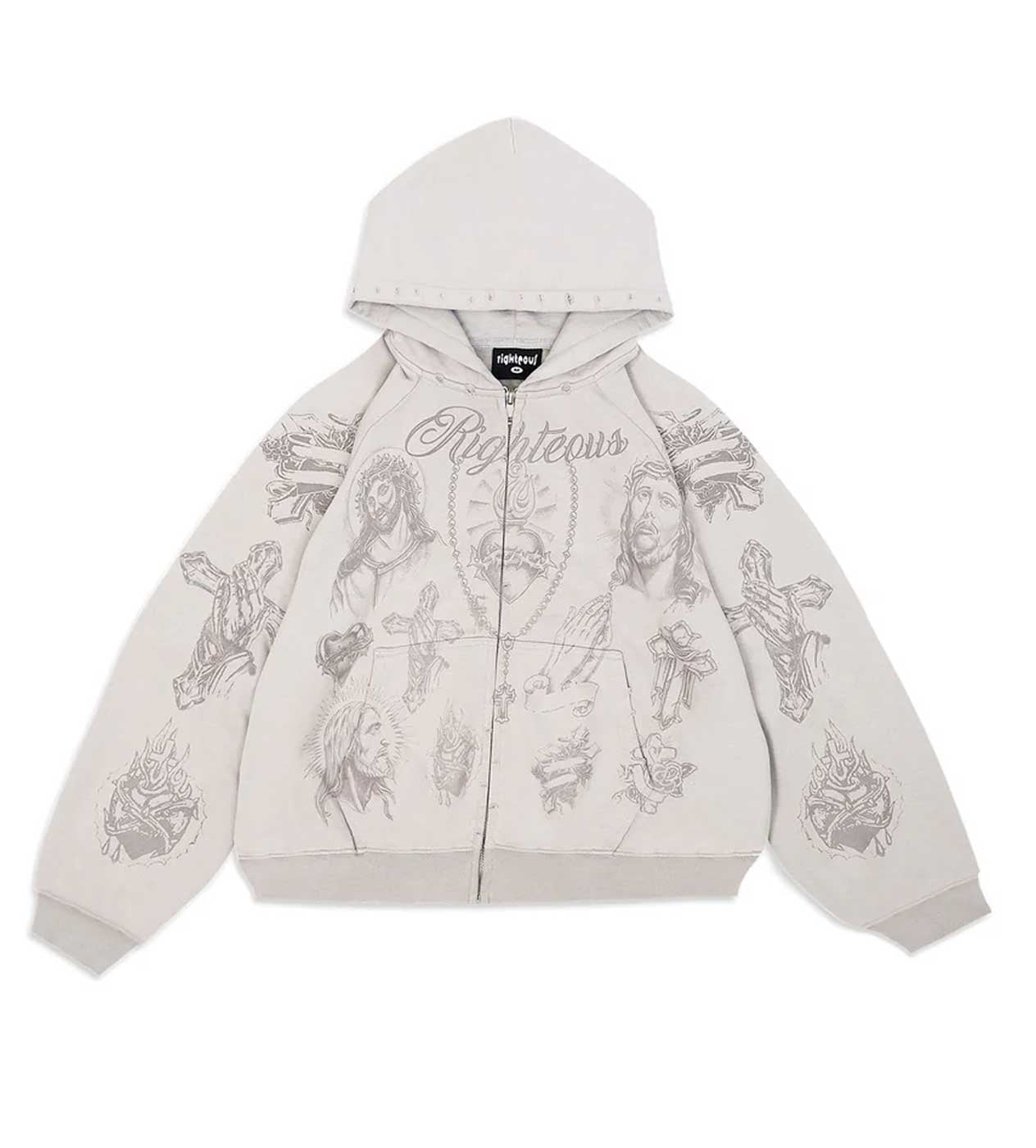
A clothing house is only as powerful as those who sport it into the world at large, and it’s here that the genuine tale of We Are Righteous takes shape. It is not a label constructed purely on marketing dollars norcelebrity seeding. It is a label formed in comment feeds, in private group threads, in secondary-market threads, and in the way people tag each other under one lone righteous-hoodie post. The driving force has become community, while the merchandise just provides a reason to gather. When you look closely at how this community came together, you see a pattern that mirrors other durable streetwear brands: a handful of early devotees who converse, clash, and in time win strangers over as customers.
The reason this certain community stands out is because noteworthy trait comes down to how outspoken it is about candor. Members don’t merely share outfit pics; extended, uncompromising review threads get written, breaking down the stitching, the fit, and the post-ten-wear wash results. Because such examination is unusual, the brand has been compelled to remain answerable — a level of accountability advertising alone never could deliver. Shoppers essentially help steer quality control, producing a feedback cycle — and the brand listens because the community serves as the distribution channel.
The Place Where Our Community Truly Resides
This is by design: the We Are Righteous audience disperses across a handful of particular digital hangouts instead of settling on a single leading channel.
The Instagram feed holds the visual identity, with community members sharing fit checks and flagging the brand handle for a chance at getting featured.
Discord-style group chats and invite-only forums hold space for the nitty-gritty talk, where when items righteous sweats come back in stock, fit inconsistencies, and future releases get dissected line by line.
Reddit threads and standalone blogs now and then turn up a review of we are righteous that explores a deeper level of analysis than any product page could.
Mailing lists remain relevant here as well, a fact that catches people off guard given the assumption that younger buyers skip their inboxes. Getting first crack at limited runs is more often than not the main force fueling list signups, given that the community has learned that the label’s most coveted drops move quickly and almost never get restocked in the same color version. Since output is genuinely restricted, this shortage isn’t manufactured buzz—and followers don’t take that lightly. Missing a drop by six minutes has become something of a running joke in fan circles, half frustration and half badge of honor.
Local informal events have additionally begun surfacing in a small number of cities, arranged without official backing by followers rather than the label itself. Such gatherings are intimate gatherings, at times under twenty attendees, centered on trading pieces, sizing up sizing across different lines, and capturing fits together. This is grassroots in the purest sense, and it shows something about commitment when fans arrange their own meetups around a clothing brand with no prompting from the company.
Fan-Made Content as the Real Promotional Engine
Anyone deeply engaged with street fashion will say the same thing: user-generated content now surpasses paid campaigns for brands at this stage of growth. We Are Righteous benefits tremendously from this pattern. Just one nicely captured photo of the righteous hoodie paired with contrast outerwear can drive greater response than a studio campaign, simply because it originates from someone the community already believes in. Fans are rarely paid influencers in most cases; they are customers who appreciated how a garment fit and wanted to flaunt it.
Unlike a brand’s own photography, such material shows actual bodies, real lighting, and genuine everyday settings. A controlled studio shot conveys fit and drape far less convincingly than seeing someone wear a piece on a daily commute, at a show, or on a weekend getaway. That genuineness is exactly why so many buyers now look up a righteous review before buying anything, favoring a stranger’s candid take over brand copy. The community has in effect become the brand’s most credible sales team, unpaid but deeply invested.
Also worth mentioning is a additional effect. Fans creating content often stacks up pieces against other labels they own—unintentionally producing unpaid competitive analysis for readers. A shopper looking into righteous clothing brand quality can, within a few swipes, see it measured against three or four other names in the comparable price bracket. Suchtransparent, casual comparison shopping did not exist in fashion a decade ago, and it has raised the bar for everyone, not excluding this brand.
Contrasting How Fan Communities Interact
Streetwear communities differ quite a bit, and grasping those differences helps explain why the We Are Righteous fanbase feels distinct. The following table compares typical engagement patterns across three common community types in this space, based on observable behavior rather than company claims.
| Community Category | Leading Platform | Main Activity | Typical Post Frequency |
|---|---|---|---|
| The We Are Righteous fan community | Instagram + private chat groups | Fit checks, drop alerts, honest reviews | Multiple times a week around drops |
| Large general streetwear community | TikTok | Trend-based haul videos, unboxing content | Daily, high volume |
| Niche reseller and collector community | Forums and Discord | Authentication, price tracking, trading | Constant, low visual output |
This comparison shows that the We Are Righteous community sits somewhere between the high-frequency chaos of mainstream trend culture and the quieter, more technical world of collector forums. It is visual enough to feel current but detailed enough to feel trustworthy, and that balance is not something a brand can fully engineer on its own.
The Design in Question Molded by Customer Input
One of the more underrated parts of this ecosystem is how directly fan input feeds back into decisions about righteous apparel. Concerns about sizing voiced in a review thread have in the past led to adjusted fit notes on subsequent product pages. Fans themselves casually monitor calls for restocking on specific pieces, flagging the brand directly once interest hits a noticeable threshold. This is not a formal focus group process; it is closer to an ongoing, unstructured conversation that happens to influence real outcomes.
Across community sentiment seems to shape colorway decisions especially. A limited righteous hoodie release disappearing in a matter of hours prompts fans to openly ask for that same colorway’s return, and those requests accumulate in comment sections until ignoring them becomes difficult. Upcoming batches get mapped out in ways shaped by the visibility of that demand, regardless of fulfillment. This relationship between customer and brand is far more transparent than the conventional hierarchical fashion model many are used to.
A notably recurring discussion point has turned into fit consistency. Because members trade feedback over repeated purchases, recognizable patterns appear in no time — whether a garment is true to size, runs slightly big, or is better for layering purposes. Prior to buying, first-time buyers researching righteous clothing tend to depend on these crowdsourced sizing notes beyond the official size chart on its own, treating the community’s consensus as a second layer of confirmation.
2026 Comes Into View: Here’s the Takeaway
Rather than dilute, the community energy looks set to deepen as the label pushes deeper into 2026. An expanding roster of cities are seeing casual meetups take shape, a growing number of independent reviewers are putting out detailed breakdowns, and more first-time buyers are arriving already readied by someone else’s honest earnest firsthand review rather than detached promotional messaging. Relative to what most fashion brands encounter, this buyer path is notably distinct — and it raises the bar for product quality to keep matching the dialogue happening around it.
The fanbase have a growing expectation that the company will keep listening, instead of just cranking out product. Whenever input leads to a shift, groups built on this kind of engagement look for a response—even if it’s just a caption nodding to a widely-made ask, because silence doesn’t sit well with them. Such anticipation ups the ante but also reinforces devotion, because audiences stay engaged with labels that openly react to them.
When it comes down to it, the culture around We Are Righteous has been shaped less by campaigns and more by conversation. Fans comparing fits, arguing over sizing, organizing their own meetups, and publishing unsponsored reviews have done more to define the brand’s identity than any single marketing push could. Since ongoing trust is its whole basis, this organic base is delicate in certain respects—and still it holds up with unusual resilience. A community that builds itself tends to defend what it built, and that dynamic is likely to keep shaping this brand well beyond the current year.