
Martin: Strategien zum Spielen von Spielautomaten

Die Welt der Online Casinos hat sich in den letzten Jahren rasant entwickelt, mit Spielautomaten und Slots als absoluten Highlights für Glücksspieler auf der ganzen Welt. Diese digitalen Versionen der klassischen Spielautomaten bieten nicht nur Unterhaltung, sondern auch die Chance auf echte Gewinne. Viele Spieler suchen nach den besten Plattformen, um ihre Erfahrungen zu machen, und es gibt unzählige siti scommesse, die eine breite Palette von Spielen anbieten. Für Anfänger und erfahrene Spieler gleichermaßen ist es wichtig zu verstehen, wie diese Spielautomaten funktionieren und was man über die Auszahlungsquoten wissen sollte. Ein Martin Bonus ohne Einzahlung kann dabei ein attraktiver Einstieg in diese spannende Welt sein.

Online Spielautomaten funktionieren grundlegend anders als ihre mechanischen Vorfahren in physischen Casinos. Moderne digitale Versionen basieren auf Zufallsgeneratoren, die dafür sorgen, dass jedes Drehen der Walzen ein einzigartiges und unvorhersehbares Ergebnis produziert. Diese Technologie stellt sicher, dass alle Spiele fair sind und jede Gewinnwahrscheinlichkeit mathematisch berechnet wurde. Um die besten Erfahrungen zu machen, sollten Spieler nach Plattformen suchen, die als vertrauenswürdig gelten und eine breite Palette von Spielen mit verschiedenen Themen und Funktionen bieten. Viele siti scommesse online bieten darüber hinaus attraktive Boni und Promotionen für neue und bestehende Spieler.

Ein weiterer wichtiger Aspekt beim Online Glücksspiel ist die Auswahl der richtigen Plattform. Es gibt unzählige migliori siti scommesse, die sich durch ihre Sicherheit, ihre Lizenzen und ihre Auswahl an Spielautomaten auszeichnen. Spieler sollten darauf achten, dass ein Casino von einer anerkannten Aufsichtsbehörde lizenziert ist, um sicherzustellen, dass ihre persönlichen und finanziellen Daten geschützt sind. Die meisten seriösen Casinos bieten auch verantwortungsbewusste Glücksspielfunktionen an, um Spielern zu helfen, ihr Spielverhalten kontrollieren zu können. Erfahrungsberichte zu Martin liefern eine erste Orientierung im deutschen Markt. Für diejenigen, die nach einem guten Einstieg suchen, können Boni ohne Einzahlung eine hervorragende Gelegenheit sein, verschiedene Slots risikofrei auszuprobieren.

Wie funktionieren Online Spielautomaten?

Die Technik hinter den Walzen

Online Spielautomaten, die oft als Slots bezeichnet werden, basieren auf komplexer Software namens Zufallsgenerator (RNG). Dieser Generator erzeugt Tausende von Zahlen pro Sekunde, und wenn Sie auf den Spin-Knopf drücken, bestimmt eine dieser Zahlen, welche Symbole auf den Walzen erscheinen. Dieser Prozess stellt sicher, dass jeder Spin vollständig zufällig und unbeeinflusst von vorherigen Ergebnissen ist. Moderne Online Spielautomaten bieten oft fünf Walzen mit bis zu hundert möglichen Gewinnlinien, was die Komplexität und das Potenzial für Gewinne erheblich erhöht. Die Technologie hat sich so weit entwickelt, dass viele Spiele jetzt mit beeindruckenden Grafiken und Soundeffekten ausgestattet sind, die das Spielerlebnis noch attraktiver machen.

Die verschiedenen Arten von Spielautomaten

Es gibt verschiedene Arten von Online Spielautomaten, die unterschiedliche Spielstile und -mechaniken bieten. Die gängigsten Kategorien sind klassische Spielautomaten, die an die alten einarmigen Banditen erinnern und normalerweise nur drei Walzen und wenige Gewinnlinien haben. Video Slots sind moderner und bieten oft fünf Walten, mehr Gewinnlinien und Bonusfunktionen wie Freispiele oder interaktive Bonusrunden. Progressiv Jackpot Slots sind besonders beliebt, da sie einen Jackpot anbieten, der mit jedem Spin wächst, bis ein Spieler ihn gewinnt. Zu den bookmaker online, die diese Vielfalt anbieten, gehören viele etablierte Glücksspielplattformen. Die Wahl des richtigen Spielautomaten hängt von den persönlichen Vorlieben des Spielers ab, aber es ist wichtig, die verschiedenen Funktionen und Auszahlungsquoten zu verstehen.

Auszahlungsquoten und ihre Bedeutung

Was bedeutet Auszahlungsquote?

Die Auszahlungsquote, oft als RTP (Return to Player) bezeichnet, ist ein entscheidender Faktor beim Online Glücksspiel. Dieser Prozentsatz gibt an, wie viel vom Einsatz eines Spielers langfristig als Gewinn zurück an die Spieler fließt. Ein Spielautomaten mit einer RTP von 96% bedeutet, dass durchschnittlich 96€ jedes 100€ Einsatzes als Gewinn zurückgegeben werden. Es ist wichtig zu verstehen, dass dies ein langfristiger Durchschnitt ist und nicht für einzelne Sitzungen gilt. Die meisten siti di scommesse sportive transparent die Auszahlungsquoten ihrer Spiele anzeigen, damit Spieler informierte Entscheidungen treffen können. Höhere RTPs bieten theoretisch bessere Gewinnchancen, aber dies garantiert keinen sofortigen Gewinn.

Slot-Typ Durchschnittliche RTP Volatilität
Klassische Spielautomaten 92-95% Niedrig bis Mittel
Video Slots 94-97% Mittel bis Hoch
Progressiv Jackpot Slots 88-94% Hoch
Live Casino Spiele 98-99% Mittel
Video Poker 97-99% Mittel bis Hoch

Volatilität und deren Einfluss auf das Spiel

Volatilität, auch als Varianz bezeichnet, beschreibt das Risiko und die Frequenz von Gewinnen bei einem Spielautomaten. Spielautomaten mit niedriger Volatilität bieten häufigere, aber kleinere Gewinne, während High-Volatility-Slots seltene, aber potenziell größere Gewinne ausschütten. Die Wahl der Volatilität sollte basierend auf Ihrem Spielstil erfolgen – bevorzugen Sie kleine, regelmäßige Gewinne oder sind Sie bereit, größere Risiken für einen Jackpot einzugehen? Viele siti scommesse bonus bieten verschiedene Slots an, sodass Spieler diejenigen auswählen können, die am besten zu ihrer Risikobereitschaft passen. Es ist auch wichtig zu beachten, dass Volatilität und Auszahlungsquote zwei verschiedene Konzepte sind – Sie können Spiele mit hoher Volatilität und hoher RTP finden.
Online Spielautomaten mit bunten Walzen und Bonusfunktionen

Strategien zum Spielen von Spielautomaten

Budgetverwaltung ist entscheidend

Eine der wichtigsten Strategien beim Spielen von Online Spielautomaten ist eine kluge Budgetverwaltung. Es ist ratsam, einen festen Betrag festzulegen, den Sie bereit sind zu verlieren, und diesen nicht zu überschreiten. Diese Disziplin hilft, finanzielle Probleme zu vermeiden und das Spiel im Rahmen des möglichen zu halten. Viele Casinos bieten Tools zum Selbstschutz an, wie zum Beispiel Limits für Einzahlungen, Verluste oder Spielzeit. Nutzen Sie diese Funktionen, um Ihr Glücksspiel verantwortungsbewusst zu gestalten. Planen Sie auch, wie viel Sie pro Spin ausgeben möchten – kleinere Einsätze können Ihre Spielzeit verlängern und Ihre Chance auf einen großen Gewinn erhöhen.

Die Bedeutung der Bonusangebote

Bonusangebote sind ein attraktiver Teil des Online Glücksspiels, der die Chance auf zusätzliche Gewinne ohne größeres Risiko bietet. Viele siti scommesse bieten Willkommensboni, Freispiele oder Cashback-Aktionen an, die für neue und bestehende Spieler gleichermaßen wertvoll sein können. Ein Martin Bonus ohne Einzahlung erlaubt es Ihnen, Slots auszuprobieren, ohne eigenes Geld einzuzahlen. Um von diesen Angeboten zu profitieren, sollten Sie die Bedingungen sorgfältig lesen, insbesondere die Umsatzanforderungen und Spieleinschränkungen. Ein durchdachter Einsatz von Bonussen kann Ihre Gewinnchancen erheblich erhöhen und das Spielerlebnis noch aufregender machen.

Wählen Sie die richtigen Spiele

Nicht alle Spielautomaten sind gleich – einige bieten bessere Gewinnchancen als andere. Wenn Sie Ihre Gewinnwahrscheinlichkeit maximieren möchten, sollten Sie Spiele mit höherer RTP und Volatilität wählen, die zu Ihrem Spielstil passt. Informieren Sie sich über die Auszahlungsquoten der verschiedenen Slots, die ein Casino anbietet. Es kann auch hilfreich sein, Spielautomaten mit Bonusfunktionen wie Freispielen oder Multiplikatoren zu wählen, da diese zusätzliche Gewinnmöglichkeiten bieten. Viele erfahrene Spieler bevorzugen Spielautomaten mit Goldene Symbole oder Wild-Symbole, die die Gewinnkombinationen vervollständigen können. Probieren Sie verschiedene Spiele aus, um die zu finden, die Ihnen am besten gefallen.

Häufige Fragen

Sind Online Spielautomaten fair?
Ja, seriöse Online Casinos verwenden Zufallsgeneratoren, die von

How to Access JacksPay Casino Customer Support for Assistance

For a seamless experience while playing at JacksPay Casino, understanding the avenues for assistance can enhance your overall satisfaction. Direct engagement options include live chat and email communication, offering immediate solutions to inquiries or issues that might arise.

The live chat feature is available 24/7, ensuring that players can reach out at any hour. Typically, response times average around 2-5 minutes, allowing for rapid resolution of common concerns. For those who prefer written communication, email inquiries typically receive responses within 24 hours, with a well-defined FAQ section addressing frequently encountered challenges.

Support Method Availability Response Time
Live Chat 24/7 2-5 minutes
Email 24/7 Within 24 hours

When reaching out, ensure to provide relevant account details and a clear description of your issue. This practice facilitates quicker assistance tailored to your situation.

  • Utilize the live chat for immediate assistance.
  • Consult the FAQ for common queries before contacting.
  • Maintain respect and patience for efficient interactions.

Contacting Support via Live Chat

To initiate a conversation with the assistance team through live chat, locate the chat icon typically found in the bottom-right corner of the interface. Clicking on this icon will launch a chat window where you can begin discussing your inquiries. Availability is often around the clock, allowing you to receive feedback without long wait times.

Response Times

Live chat is designed for quick interaction, with average response times reported to be between 1 to 3 minutes. During peak hours, responses may take slightly longer due to increased inquiry volume, but the service usually maintains high efficiency. The team is equipped to handle a variety of issues, from account inquiries to technical problems.

Benefits of Live Chat

Utilizing live chat offers several advantages:

  • Instant communication with representatives
  • Ability to share screenshots and relevant documents directly in chat
  • Accessibility across multiple devices

Keep your user ID and relevant details handy for a smoother interaction. Resolving issues efficiently is a primary goal for the assistance team, and live chat provides a streamlined method to achieve this.

Time of Day Average Response Time
Morning 2 minutes
Afternoon 3 minutes
Evening 1 minute

Utilizing Email for Casino Inquiries

For inquiries regarding account issues or promotions, email communication stands out as a reliable avenue. The response time typically ranges from 24 to 48 hours, which allows for detailed responses from the organization.

When writing an email, clarity is key. Include your account details such as the username and any relevant transaction IDs. This expedites the process considerably, as it reduces the back-and-forth communication. Effective emails often contain the following components:

  • Subject line clearly stating the issue
  • A concise description of the problem
  • Any supporting evidence like screenshots

The email address designated for inquiries is usually available on the “Contact Us” page. Ensure that emails are sent to correct addresses to avoid delays. If there are multiple departments, choose the one that aligns best with your issue.

Keeping your language professional and courteous increases the likelihood of receiving a prompt response. Avoid using slang or overly informal expressions, as they can detract from the seriousness of your inquiry.

It’s beneficial to track your email communications. Maintain a folder dedicated to correspondence related to queries. Documenting your interactions can help in case of unresolved issues or if further follow-up is needed.

Response Time Typical Wait Period
General Inquiries 24-48 Hours
Bonus Issues 48-72 Hours
Account Verification Up to 5 Days

Lastly, if your email isn’t answered within the expected timeframe, consider sending a follow-up message. Reference your previous email and reiterate your need for assistance. This can often lead to quicker resolutions.

Cómo funciona el programa VIP de mesas en vivo: Guía para principiantes que quieren jugar como high rollers

En los últimos años los casinos en línea han experimentado un crecimiento explosivo, y las mesas en vivo se han convertido en el punto de encuentro favorito de los jugadores que buscan la sensación de un salón real sin salir de casa. La combinación de crupieres reales, transmisión en alta definición y la posibilidad de interactuar con otros apostadores ha creado una demanda que los operadores han respondido con programas de lealtad cada vez más sofisticados.

Si deseas profundizar en la cultura del ocio digital, visita la revista especializada en cultura y ocio para más lecturas interesantes: https://www.colofonrevistaliteraria.com/

Para los novatos, la idea de un programa VIP puede resultar intimidante, pero la realidad es que muchos de los beneficios están diseñados para premiar la constancia más que el tamaño de la apuesta. Un jugador que apenas supera los 100 € de depósito semanal puede acceder a bonificaciones, límites de apuesta más amplios y atención personalizada sin necesidad de ser un experto en estrategia.

Esta guía tiene como objetivo desmitificar los niveles VIP, explicar los requisitos que los operadores utilizan para medir el progreso y ofrecer trucos prácticos para que cualquier principiante pueda aprovechar al máximo cada ventaja. Al final del artículo, tendrás una hoja de ruta clara para subir de nivel, gestionar tu bankroll de forma responsable y estar al tanto de las tendencias que marcarán el futuro de los programas VIP en 2026.

1. ¿Qué es un programa VIP de mesas en vivo y por qué importa?

En el contexto de los casinos en línea, “VIP” es una denominación que identifica a los jugadores que participan de forma regular y que, a cambio, reciben un paquete de servicios premium. No se trata simplemente de una etiqueta de estatus; es un sistema de recompensas que se activa mediante criterios como el volumen de apuestas, la frecuencia de juego y la duración de la sesión.

Las salas estándar suelen ofrecer límites de apuesta modestos, crupieres rotativos y un soporte genérico. En contraste, las mesas VIP presentan límites superiores (por ejemplo, ruleta con apuestas mínimas de 10 € y máximas de 5 000 €), crupieres dedicados que conocen el nombre del jugador y un ambiente más exclusivo, con música personalizada y una interfaz sin publicidad intrusiva.

Desde la perspectiva del jugador, los beneficios se traducen en pagos más rápidos, a veces en cuestión de minutos, y en bonos exclusivos que pueden incluir “cashback” del 10 % sobre pérdidas semanales o “bonos sin licencia” que no requieren verificación de identidad adicional. Además, la atención personalizada de un gestor de cuenta permite resolver incidencias al instante, lo que eleva la confianza en el operador.

Según datos recopilados en 2026 por los principales operadores europeos, más del 35 % de los usuarios activos de mesas en vivo están inscritos en algún programa VIP. Esta cifra ha subido un 8 % respecto al año anterior, reflejando la creciente percepción de que la lealtad se premia de forma tangible y que la exclusividad ya no es dominio exclusivo de los high rollers tradicionales.

2. Estructura típica de niveles VIP y cómo ascender de nivel

Los programas VIP suelen organizarse en escalas jerárquicas que facilitan la visualización del progreso. La estructura más común incluye los siguientes niveles:

Nivel Punto mínimo Beneficio típico Tiempo estimado (jugador medio)
Bronce 0‑5 000 pts Bono de depósito 10 % 1‑2 meses
Plata 5 001‑15 000 pts Cashback 5 % + límites +10 % 3‑4 meses
Oro 15 001‑30 000 pts Cashback 10 % + gestor personal 5‑7 meses
Platino 30 001‑60 000 pts Límites altos, eventos exclusivos 8‑12 meses
Diamante >60 000 pts Invitaciones a torneos, viajes, regalos de lujo >12 meses

Los puntos se acumulan mediante métricas claras: cada 1 € apostado equivale a 1 punto, aunque algunos operadores otorgan multiplicadores en juegos de alta volatilidad o en eventos promocionales. La frecuencia de juego también cuenta; iniciar sesión al menos tres veces por semana acelera la acumulación porque se otorgan “bonos de actividad” que añaden entre 100 y 300 puntos extra por semana.

Para un principiante que apuesta 200 € al mes en mesas de blackjack y ruleta, alcanzar el nivel Plata suele requerir entre 5 000 y 7 000 puntos, lo que se traduce en aproximadamente 6‑8 meses de juego constante. Sin embargo, existen estrategias para acelerar el ascenso sin arriesgar demasiado capital:

  • Aprovechar los torneos semanales: muchos casinos otorgan puntos dobles a los participantes.
  • Seleccionar juegos con mayor RTP: al ganar más frecuentemente, se generan más apuestas y, por ende, más puntos.
  • Utilizar bonos de recarga: los créditos extra permiten colocar más apuestas sin incrementar el gasto propio.

Recuerda que el objetivo no es apostar más dinero, sino apostar de forma inteligente, maximizando la relación entre riesgo y recompensa mientras se acumulan los puntos necesarios para subir de nivel.

3. Beneficios concretos en cada nivel VIP para mesas en vivo

A continuación se muestra una tabla resumida con los principales beneficios que los operadores suelen ofrecer en sus programas VIP de mesas en vivo:

Nivel Bono de depósito Cashback Límite de apuesta (ruleta) Eventos y regalos Gestor de cuenta
Bronce 10 % hasta 100 € 0 % 0,5 €‑200 € N/A Soporte estándar
Plata 15 % hasta 200 € 5 % semanal 1 €‑500 € Torneos mensuales Asistente vía chat
Oro 20 % hasta 300 € 10 % semanal 5 €‑2 000 € Invitaciones a eventos en vivo Gestor dedicado
Platino 25 % hasta 500 € 15 % semanal 10 €‑5 000 € Viajes a casinos físicos, cenas de lujo Gestor premium 24/7
Diamante 30 % hasta 1 000 € 20 % semanal 20 €‑10 000 € Acceso a torneos internacionales, regalos de alta gama Concierge personal

Para jugadores con presupuestos modestos, los beneficios más valiosos son los cashback y los límites de apuesta ampliados. Un jugador de nivel Oro, por ejemplo, que pierde 400 € en una sesión de ruleta, recibirá 40 € de devolución al día siguiente, lo que reduce la pérdida neta a 360 €. Además, el límite superior de 2 000 € permite apostar de forma más cómoda sin tener que dividir la banca en varias mesas.

Para activar los beneficios, basta con ingresar al panel de “Mi VIP” dentro del casino, seleccionar la opción “Reclamar bono” y confirmar la condición de depósito mínima. En algunos casos, el gestor de cuenta enviará un mensaje automático con un código promocional exclusivo.

Caso práctico: María, jugadora de nivel Oro, decide jugar una ruleta europea con apuesta mínima de 5 €. Con un bankroll de 500 €, planifica 20 rondas de 25 € cada una. Gracias al límite de 2 000 €, puede aumentar su apuesta a 50 € en la última ronda sin romper la regla del casino. Al final de la sesión, sus ganancias netas ascienden a 120 €, y el cashback del 10 % le devuelve 12 €, elevando su beneficio total a 132 €.

4. Estrategias de juego responsable dentro del entorno VIP

Ser parte de un programa VIP no exime al jugador de la necesidad de establecer límites claros. De hecho, la mayor disponibilidad de crédito y los atractivos bonos pueden incitar a un gasto descontrolado si no se gestionan adecuadamente.

  • Límites de depósito: fija un máximo mensual (por ejemplo, 1 000 €) y respétalo aunque el casino ofrezca “bonos sin licencia” adicionales.
  • Alertas de gasto: la mayoría de los operadores permiten configurar notificaciones por correo o SMS cuando el gasto supera el 80 % del límite establecido.
  • Auto‑exclusión temporal: incluso los jugadores VIP pueden activar una pausa de 24 h, 7 días o 30 días directamente desde el panel de control.

Los gestores de cuenta VIP suelen ofrecer informes personalizados que detallan el historial de apuestas, ganancias y pérdidas, lo que facilita la revisión mensual del bankroll. Además, pueden recomendar ajustes en la estrategia, como reducir la frecuencia de juego en mesas de alta volatilidad (por ejemplo, baccarat con RTP del 98,94 %) y enfocarse en juegos con menor varianza, como la ruleta francesa con “en prison”.

Combinar la emoción de las mesas en vivo con una gestión financiera prudente implica también diversificar la actividad: alternar entre ruleta, blackjack y poker en vivo permite distribuir el riesgo y evitar la fatiga mental. Finalmente, recuerda que los beneficios VIP son recompensas por lealtad, no un incentivo para apostar más de lo que puedes permitirte perder. Mantener una mentalidad de “juego responsable” asegura que la experiencia siga siendo divertida y sostenible a largo plazo.

5. Tendencias 2026: Innovaciones que están transformando los programas VIP de mesas en vivo

El año 2026 marca una etapa de revolución tecnológica en el mundo de los casinos en línea, y los programas VIP no son la excepción.

  • Realidad aumentada (RA): varios operadores han lanzado mesas de ruleta con capas de RA que permiten al jugador ver estadísticas en tiempo real, como la probabilidad de cada número, directamente sobre la mesa mediante gafas o dispositivos móviles.
  • Avatares personalizados: los miembros VIP pueden crear avatares 3D que interactúan con el crupier y los demás jugadores, generando una experiencia más inmersiva y social.
  • Blockchain para puntos VIP: algunos “mejores casinos sin licencia” están experimentando con tokens ERC‑20 que representan puntos de lealtad. Esta tecnología garantiza la trazabilidad y la imposibilidad de manipular el historial de puntos, aumentando la confianza del jugador.
  • Lealtad multicanal: los programas ahora integran actividades tanto en casinos físicos como en plataformas online. Un jugador que visita un casino terrestre en Madrid puede recibir puntos que se suman a su cuenta en línea, y viceversa, creando una red de recompensas interconectada.

En cuanto a los requisitos de nivel, se prevé que los operadores reduzcan la dependencia exclusiva del volumen de apuestas y añadan métricas de “interacción social”, como la participación en eventos de streaming o la creación de contenido para la comunidad. Los beneficios futuros podrían incluir acceso a salas de juego con crupieres holográficos, viajes totalmente financiados a torneos internacionales y recompensas en criptomonedas.

Estas innovaciones apuntan a que la exclusividad ya no será solo una cuestión de dinero, sino también de participación activa y de adopción de nuevas tecnologías. Los jugadores que se mantengan informados —por ejemplo, consultando recursos como Colofonrevistaliteraria— estarán mejor posicionados para aprovechar las oportunidades que surjan.

Conclusión

Hemos recorrido los aspectos esenciales del programa VIP de mesas en vivo: su definición, la estructura de niveles, los beneficios concretos por rango y las estrategias de juego responsable que deben acompañar a cualquier jugador, por modesto que sea su bankroll. Además, hemos explorado las tendencias emergentes que están redefiniendo la experiencia VIP en 2026, desde la realidad aumentada hasta la tokenización de puntos mediante blockchain.

Para el principiante, la clave está en comprender que la exclusividad no es exclusiva de los grandes apostadores. Con una planificación cuidadosa, aprovechando los bonos y el cashback, y manteniendo una gestión financiera disciplinada, cualquier jugador puede escalar los niveles VIP y disfrutar de una atención personalizada, límites de apuesta más amplios y eventos especiales.

Te invitamos a seguir profundizando en estos temas visitando sitios de referencia como Colofonrevistaliteraria, donde podrás encontrar artículos complementarios y mantenerse al día con las novedades del sector. Con la información adecuada y una actitud responsable, la experiencia VIP está al alcance de tu mano.

Natale in Diretta – Le Sfide “Game‑Show” più Calde del Live Casino 2023

Il periodo natalizio è da sempre sinonimo di spettacolo, luci scintillanti e atmosfere da festa. Nei casinò online, questa magia si traduce in una vera e propria programmazione di eventi live che uniscono il brivido del gioco d’azzardo alla scenografia di un game‑show televisivo. La tendenza degli “show‑game” live – da Monopoly Live a Deal or No Deal Live – ha conquistato sia i giocatori tradizionali, abituati alle slot classiche, sia gli appassionati di quiz e sfide in diretta, grazie a presentatori carismatici, premi progressivi e un’interazione immediata con il dealer.

Per una panoramica completa dei migliori operatori, consulta la nostra lista casino online non AAMS. In questo articolo analizzeremo tre titoli live‑casino che hanno introdotto jackpot natalizi particolarmente allettanti, confrontandone meccaniche, payout e atmosfera festiva. Il confronto finale aiuterà i lettori a scegliere il game‑show più adatto al proprio stile di gioco durante le feste.

1. Monopoly Live – Il Classico da Tavolo in Versione Live

Monopoly Live porta il celebre gioco da tavolo sul tavolo da gioco digitale, aggiungendo una ruota gigante e una slot‑wheel che si attiva ogni volta che il dealer gira il disco. La ruota è suddivisa in segmenti numerati, simboli “Chance” e il segmento “Golden Yards”. Quando il disco si ferma su “Golden Yards”, il giocatore accede a una mini‑slot con cinque rulli, simboli del tabellone Monopoly e moltiplicatori che possono arrivare fino a 50x la puntata.

Il Jackpot natalizio è stato introdotto per la stagione 2023 sotto il nome di “Christmas Jackpot”. Si attiva quando il dealer, vestito da Babbo Natale, fa girare la ruota e il risultato è un segmento dorato speciale. Il moltiplicatore varia da 10x a 50x, a seconda della combinazione di simboli ottenuta nella mini‑slot. Il jackpot può raggiungere i 5 000 €, distribuito tra tutti i partecipanti che hanno attivato il bonus nello stesso giro.

Visivamente, il gioco è una festa per gli occhi: la ruota è avvolta da luci rosse e verdi, il dealer indossa un cappotto rosso con pelliccia e la grafica della mini‑slot mostra case decorate, regali e alberi di Natale che si animano ad ogni vincita. L’interazione è continua, poiché il dealer commenta ogni giro e risponde alle chat dei giocatori.

Punti di forza: alta velocità di gioco, volatilità media‑alta che premia i giocatori più audaci, e una forte componente di intrattenimento grazie al presentatore. Debolezze: la dipendenza dal risultato della ruota può creare brevi periodi di inattività, e la volatilità elevata può far diminuire rapidamente il bankroll se non si gestiscono le puntate con cautela.

1.1. Come si attiva il Bonus “Golden Yards”

Il bonus si attiva quando la ruota cade sul segmento “Golden Yards”. La probabilità di ottenere questo risultato è circa 1 su 22 giri. Una volta attivato, il giocatore vede la mini‑slot a cinque rulli: tre simboli “House” e due “Chance”. Se compaiono almeno tre “House” consecutivi, il moltiplicatore base è 10x; ogni “Chance” aggiunge un ulteriore 5x. Il payout totale dipende dalla combinazione finale e dal valore della puntata iniziale.

1.2. Confronto con la versione desktop tradizionale

Aspetto Monopoly Live (Live) Monopoly (Desktop)
Interazione Dealer in tempo reale, chat, animazioni Nessuna interazione live
Velocità Giro medio 15‑20 s Rotazione automatica, più veloce
Moltiplicatori Bonus “Golden Yards” con jackpot Solo funzioni di slot standard
Atmosfera festiva Presentatore in costume, luci natalizie Grafica statica, nessun suono

Il live offre un’esperienza immersiva, mentre la versione desktop garantisce più giri al minuto e la possibilità di scommettere su più linee simultaneamente.

2. Deal or No Deal Live – Il Quiz dei Premi Giganti

Deal or No Deal Live riprende il format televisivo di fama mondiale, con un presentatore carismatico, 26 valigette numerate e il temuto “Banker”. Il giocatore sceglie una valigetta da tenere segreta, poi procede ad aprire le altre una alla volta, scoprendo i valori in euro nascosti. Dopo ogni turno il Banker propone un’offerta basata sui valori rimasti sul tavolo; il giocatore può accettare o rifiutare.

Il Jackpot di Natale è chiamato “Santa’s Secret Box”. Si attiva quando, durante una puntata speciale, il Dealer svela la valigetta numero 13, riservata esclusivamente al tema natalizio. Il contenuto è un premio progressivo che parte da 1 000 € e può crescere fino a 10 000 € in base al numero di volte che la box viene attivata senza essere vinta. Il jackpot è condiviso tra tutti i partecipanti della stessa sessione che hanno scelto di mantenere la propria valigetta fino all’ultimo round.

Strategicamente, il gioco richiede una valutazione costante delle probabilità. La decisione di accettare l’offerta del Banker dipende dal valore medio dei premi rimasti, dal proprio profilo di rischio e dalla dimensione del jackpot progressivo. Ad esempio, se le valigette rimanenti includono solo premi sotto i 2 000 €, la media scende a circa 1 200 €, rendendo più conveniente accettare un’offerta di 2 500 €.

L’interazione sociale è potenziata dalla chat live: i giocatori possono condividere le proprie decisioni, commentare le offerte del Banker e partecipare a scommesse collettive durante le puntate “Christmas Special”. Il Dealer, vestito da elfo, inserisce battute festive che mantengono alta l’energia del tavolo.

2.1. Analisi della volatilità del “Santa’s Secret Box”

Il “Santa’s Secret Box” ha una frequenza di attivazione di circa 1 su 30 partite. Il valore medio del jackpot è 4 500 €, con una deviazione standard di 2 300 €. La volatilità è alta: la maggior parte delle volte il premio si aggira intorno a 1 000‑2 000 €, ma occasionalmente si arriva al picco di 10 000 €. Per massimizzare le chance, è consigliabile mantenere la propria valigetta fino a quando il valore medio delle offerte del Banker scende sotto il 60 % del jackpot corrente.

2.2. Il ruolo del presentatore natalizio

Il presentatore, in costume da Babbo Natale, aggiunge un tocco di teatralità. Le sue battute “Ho un regalo per te, ma è avvolto da un rischio!” aumentano l’engagement, poiché i giocatori si sentono parte di uno spettacolo dal vivo. La sua capacità di modulare la tensione – alternando momenti di suspense a risate festive – influisce direttamente sulla percezione del premio: un’offerta percepita come “generosa” può spingere il giocatore a rischiare di più, mentre un commento ironico può indurre a una decisione più prudente.

3. Mega Wheel Live – La Ruota della Fortuna a Tema Invernale

Mega Wheel Live è una delle produzioni più amate nei live‑casino, grazie alla sua semplicità e al potenziale di payout elevato. La ruota è composta da 54 segmenti, ognuno contrassegnato da un moltiplicatore (da 1x a 100x) o da un simbolo “Bonus”. Il dealer, vestito da elfo, fa girare la ruota mentre i giocatori piazzano scommesse su uno o più segmenti.

Il Jackpot di Natale è denominato “Winter Wonderland Jackpot”. Viene attivato quando la ruota si ferma su un segmento dorato “Snowflake”. Questo segmento appare con una probabilità di 1 su 45 giri e assegna un premio progressivo che parte da 2 000 € e può crescere fino a 15 000 €. Il jackpot è distribuito a tutti i giocatori che hanno puntato sul segmento “Snowflake” nello stesso giro, con una divisione proporzionale alla loro puntata.

Le strategie di puntata più efficaci consistono nel bilanciare le scommesse su segmenti a medio rischio (moltiplicatori 5x‑10x) e su almeno un segmento “Bonus”. Le scommesse su “Bonus” hanno una probabilità di attivazione più bassa, ma il payout medio è superiore a 30x la puntata. Un approccio consigliato è di allocare il 60 % del bankroll a segmenti a rischio medio‑alto e il restante 40 % a “Bonus”, aumentando le probabilità di colpire il jackpot senza sacrificare la stabilità del bankroll.

3.1. Calcolo del valore atteso per i segmenti “Bonus”

Il valore atteso (EV) di un segmento “Bonus” si calcola con la formula: EV = (Probabilità di attivazione) × (Payout medio). Con una probabilità di 1/45 (≈2,22 %) e un payout medio di 30x, l’EV è 0,0222 × 30 = 0,666. Questo significa che per ogni €1 scommesso su “Bonus”, il ritorno atteso è di €0,67, inferiore al RTP medio del gioco (≈96 %). Tuttavia, includere una piccola percentuale di scommessa su “Bonus” aumenta la possibilità di colpire il “Winter Wonderland Jackpot”, dove l’EV sale drasticamente fino a 5‑6 volte la puntata in caso di attivazione.

4. Live Casino “Christmas Showdown” – Il Nuovo Contendente

“Christmas Showdown” è una novità lanciata nel 2023 da diversi operatori emergenti. Il format combina un quiz a risposta multipla, una slot‑wheel e un mini‑gioco di carte, il tutto guidato da un presentatore vestito da Renna. Dopo ogni risposta corretta, il giocatore guadagna punti che possono essere spesi su una ruota a 30 segmenti per ottenere moltiplicatori o premi immediati.

Il Jackpot progressivo “Holiday Treasure” parte da 5 000 € e cresce di 500 € per ogni partita completata senza vincere il premio. Durante le festività, il jackpot può raggiungere i 20 000 €, attivato quando un giocatore ottiene una serie di 10 risposte corrette consecutive e poi piazza la scommessa finale sulla ruota “Treasure”.

L’innovazione principale è l’interazione con il pubblico: gli spettatori possono votare, tramite pulsanti in chat, quale categoria di domande verrà proposta nella prossima manche. I voti influenzano la difficoltà e, di conseguenza, il moltiplicatore associato al premio. Inoltre, i primi tre classificati di ogni sessione ricevono giri gratuiti extra per la slot‑wheel, aumentando le opportunità di colpire il jackpot.

Pro: alto potenziale di payout, coinvolgimento sociale unico, varietà di mini‑gioco che mantiene alta l’attenzione. Contro: regole complesse per i neofiti, curva di apprendimento più ripida rispetto a giochi più lineari, e la necessità di gestire più tipologie di scommessa contemporaneamente.

5. Quale Game‑Show Live Scegliere per le Feste? – Confronto Finale

Game‑Show Jackpot max Volatilità Tema natalizio Interazione live Ideale per…
Monopoly Live €5 000 Media‑Alta Ruota & Babbo Natale Chat, commenti dealer Cacciatore di jackpot
Deal or No Deal Live €10 000 Alta Santa’s Secret Box Chat, scommesse collettive Amante del quiz
Mega Wheel Live €15 000 Media Winter Wonderland Chat, animazioni Giocatore social
Christmas Showdown €20 000 Alta Renna & Quiz interattivo Voto pubblico, mini‑gioco Giocatore strategico

Raccomandazioni per tipologia di giocatore

  • Cacciatore di jackpot – Opta per Mega Wheel Live o Christmas Showdown, dove il jackpot può superare i €15 000.
  • Amante del quiz – Deal or No Deal Live offre la migliore esperienza di decision‑making e una componente psicologica simile a quella dei quiz televisivi.
  • Giocatore social – Monopoly Live e Mega Wheel Live hanno le chat più attive e presentatori festosi, perfetti per chi vuole condividere l’emozione con altri.

Consigli di bankroll

  1. Stabilisci un budget giornaliero e non superarlo, anche se il jackpot sembra vicino.
  2. Usa la strategia “50/50” su giochi ad alta volatilità: 50 % del bankroll su puntate basse, 50 % su scommesse più audaci.
  3. Approfitta delle promozioni natalizie – molti operatori offrono bonus deposito fino al 200 % e giri gratuiti sui game‑show durante dicembre.

Le promozioni sono elencate sui principali siti di recensione, come Mitesoro, dove è possibile confrontare le offerte dei migliori casino online non AAMS.

Conclusione

Abbiamo confrontato quattro game‑show live che hanno reso il Natale 2023 particolarmente lucrativo: Monopoly Live con il suo “Christmas Jackpot”, Deal or No Deal Live e il “Santa’s Secret Box”, Mega Wheel Live con il “Winter Wonderland Jackpot” e il nuovo “Christmas Showdown” con il jackpot progressivo “Holiday Treasure”. Ognuno di essi propone un’esperienza unica, dalla velocità di Monopoly Live alla complessità strategica di Deal or No Deal Live, passando per la semplicità di Mega Wheel Live e l’interattività di Christmas Showdown.

Il fattore chiave per scegliere il game‑show più adatto è capire quale elemento – jackpot, quiz o socialità – si adatta meglio al proprio stile di gioco. Provate almeno uno di questi titoli durante le feste, ma ricordate sempre di giocare responsabilmente. Per esplorare altri casinò certificati e trovare le migliori offerte, tornate su Mitesoro, la risorsa indipendente per i siti casino non AAMS. Buon divertimento e buone feste!

How Live‑Dealer Casinos Turn Probability into a New‑Year Psychological Playbook

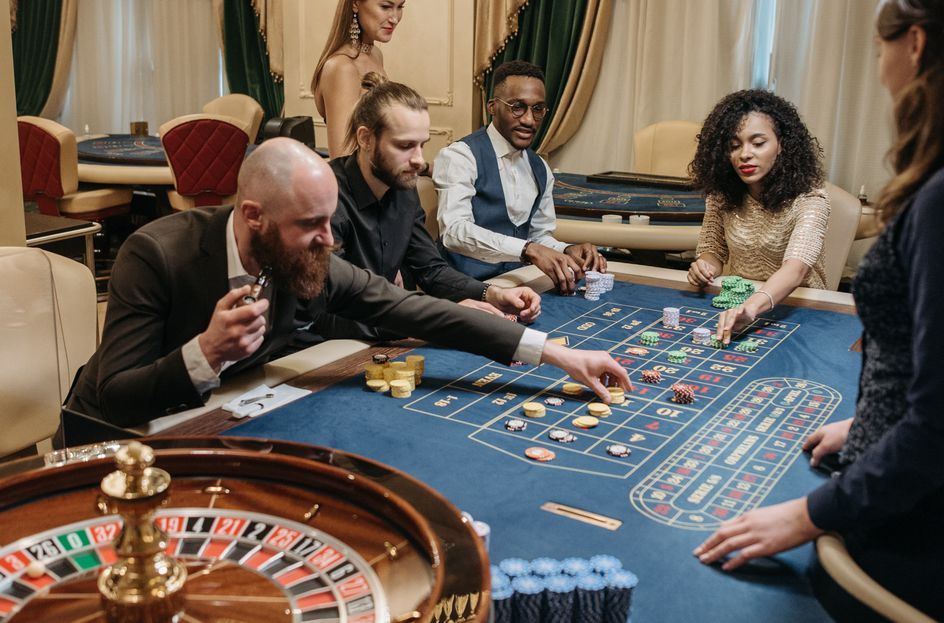
The moment the clock strikes midnight and the calendar flips to January, the hum of a live‑dealer table can feel like a fresh soundtrack to a new beginning. The shuffle of cards, the spin of the roulette wheel, and the dealer’s crisp greeting create a sensory ritual that many players associate with a clean slate. It’s not just the sparkle of the chips; it’s the subtle promise that the odds—those immutable numbers hidden behind every spin and hand—might finally be on your side.

If you’re hunting for the best casino site Kuwait, the math behind live‑dealer games can give you an edge. Understanding how probability works in real‑time, human‑mediated environments lets you separate hype from genuine advantage. This article unpacks the core mathematics, dives into the seasonal psychology that makes January a hot betting month, and shows how live dealers amplify both emotion and logic. By the end, you’ll see why a disciplined mind, paired with a clear grasp of odds, is the ultimate New‑Year weapon at any live table.

1. The Core Numbers: Odds, House Edge, and Expected Value

Probability is the language of gambling. In plain terms, odds tell you how likely an event is to happen, while the house edge measures the built‑in advantage the casino holds over the player. Expected value (EV) combines those two concepts: EV = (probability of win × payout) – (probability of loss × stake). When EV is positive, the game is theoretically profitable; when it’s negative, the casino is guaranteed a margin over the long run.

Take European roulette: there are 37 pockets (0‑36). A straight‑up bet on a single number wins 35 to 1. The probability of hitting that number is 1/37, or about 2.70 %. Plugging the numbers into the EV formula gives EV = (0.027 × 35) – (0.973 × 1) ≈ –0.027, meaning the house edge is 2.7 %.

Blackjack offers a more nuanced picture because player decisions affect the outcome. In a typical six‑deck shoe with dealer standing on soft 17, basic strategy yields a house edge of roughly 0.5 %. That low edge stems from the fact that the player can influence the probability of busting by hitting or standing at optimal moments.

Baccarat is even simpler: betting on the banker pays 1 to 1 with a 1.06 % commission, and the banker’s win probability is about 45.86 %. The resulting house edge for the banker bet is roughly 1.06 %, while the player bet carries a 1.24 % edge.

Live‑dealer versions of these games introduce subtle variations. The pace is slower, giving players more time to think—and sometimes to overthink. Human error, such as a dealer mis‑dealing a card, is rare but can marginally affect the statistical edge. Moreover, the visual confirmation of a real wheel or shoe can make the house edge feel more “real,” even though the underlying numbers remain unchanged.

Game Standard House Edge Live‑Dealer House Edge Typical RTP*
European Roulette 2.70 % 2.70 % (identical) 97.30 %
Blackjack (6‑deck, S17) 0.50 % 0.55 % (tiny variance) 99.50 %
Baccarat (Banker) 1.06 % 1.10 % (commission visible) 98.94 %

*RTP = Return to Player, the inverse of house edge.

Understanding these core numbers equips you to judge whether a live‑dealer table is offering a fair chance or simply a theatrical experience.

2. Why the New Year Changes Player Behavior

January is a statistical anomaly in the gambling calendar. Data from several online operators shows a 12‑15 % spike in betting volume during the first two weeks of the year. The surge is not random; it aligns with well‑documented seasonal psychology.

First, resolutions create a “fresh start” mindset. Players who vow to be more disciplined with their finances may paradoxically allocate a larger portion of their budget to gambling, believing that a structured approach will yield better results. The optimism bias—an inflated belief that good outcomes are more likely than they statistically are—feeds directly into this mindset. After holiday celebrations, many feel buoyed by leftover bonus offers and a sense that luck is on their side.

Second, the “holiday hangover” effect influences risk appetite. After weeks of indulgence, the brain’s reward circuitry is primed for high‑arousal activities. The dopamine surge associated with the thrill of a live‑dealer hand can feel like a natural extension of the festive mood.

Finally, the perception of “new luck” is reinforced by cultural narratives. In Kuwait and many other regions, the New Year is associated with fortune‑bringing rituals, from fireworks to special meals. When players translate those rituals into a casino setting, they often overestimate the probability of a winning streak, especially on games that appear visually random, like roulette.

These psychological forces combine to make January a period of heightened betting intensity, larger average wagers, and a greater willingness to experiment with risky betting systems. Recognizing the bias helps you stay grounded when the excitement of a live dealer’s smile tempts you to chase a perceived lucky break.

3. Live Dealers as Psychological Catalysts

The presence of a human dealer transforms a purely mathematical exercise into a social interaction. Eye contact, tone of voice, and subtle gestures create a feedback loop that can either calm or amplify a player’s emotional state.

When a dealer announces “All‑in!” with a confident grin, the table’s energy spikes. Players may interpret that confidence as an implicit endorsement of the current momentum, prompting larger bets. Conversely, a dealer who maintains a steady, neutral demeanor can foster a sense of stability, encouraging measured wagering.

Live dealers also serve as trust anchors. In RNG‑only games, the outcome is generated by a server you cannot see, which can breed skepticism. Watching a real wheel spin or a shoe being shuffled eliminates that uncertainty for many players, even though the mathematical odds remain unchanged. The visual confirmation of fairness can increase wagering frequency, as the perceived risk feels lower.

Real‑time cues—such as a dealer’s pause before dealing a card or the way they handle chips—provide players with micro‑information that influences betting size and frequency. A dealer who quickly returns chips after a loss may inadvertently signal that the table is “hot,” prompting others to increase stakes.

The “Social Proof” Effect

Observing other players win or lose through the live stream creates a powerful social proof dynamic. When a nearby player celebrates a big win, viewers often experience a surge of vicarious excitement, leading them to mimic the winning player’s betting pattern. This herd behavior can cause rapid swings in table volatility.

The “Authority” Bias of Professional Croupiers

Professional dealers exude authority through polished attire, precise language, and flawless execution of game rules. Their expertise can reassure novices, making them more comfortable placing larger bets. At the same time, the same authority can intimidate less confident players, causing them to withdraw or adopt overly conservative strategies. The dealer’s reputation thus becomes a subtle lever that nudges the collective betting behavior of the table.

4. Probability Tricks Players Use (and Misuse) at Live Tables

Many players reach for classic betting systems hoping to tame the randomness of live games. The Martingale, for example, tells you to double your stake after each loss, aiming to recover all previous losses with a single win. While the idea is mathematically simple, it ignores table limits and bankroll constraints. In a live‑dealer setting, where the minimum bet might be $5 and the maximum $5,000, a losing streak of just ten hands can exceed the player’s bankroll, rendering the system useless.

The Fibonacci sequence—betting amounts that follow the series 1, 1, 2, 3, 5, 8, …—offers a slower escalation, but it still suffers from the same fundamental flaw: it assumes infinite capital and no table limits. Moreover, the sequence does not change the underlying probability of each hand; it merely reshapes variance.

Gambler’s fallacy is especially potent in live tables because the dealer’s visible actions reinforce the illusion of “due” outcomes. A dealer dealing red repeatedly in roulette may lead a player to believe that black is now “overdue,” prompting a large bet on black despite each spin being independent.

Smart players instead use bet sizing to manage variance. By allocating a fixed percentage of their bankroll to each wager—commonly 1‑2 %—they keep exposure low, even during January’s high‑volume streaks. This approach respects the house edge while allowing for occasional larger bets when confidence is high, without jeopardizing the overall bankroll.

Key takeaways

  • Betting systems do not alter house edge.
  • Variance management is more effective than pattern chasing.
  • Live cues can reinforce fallacies; stay grounded in probability.

5. The Role of Technology: Streaming Quality and Perceived Fairness

High‑definition streaming has become a cornerstone of the live‑dealer experience. A crystal‑clear 1080p feed of a roulette wheel rotating in real time creates an immersive environment that mimics a brick‑and‑mortar casino. This visual fidelity boosts trust: players can see the ball bounce, the dealer’s hand, and the wheel’s speed, reinforcing the belief that the game is fair.

When a platform uses a random number generator (RNG) for card shuffling, the process is hidden. Some live tables now incorporate visible automatic shuffling machines, allowing the player to watch cards being mixed by a transparent mechanism. This hybrid approach bridges the gap between pure RNG and manual dealing, enhancing perceived fairness without sacrificing speed.

Technical glitches, however, can undermine confidence. Lag spikes that delay the dealer’s announcement or cause a momentary freeze in the video feed may lead players to question whether their bet was placed at the intended moment. Studies of online gambling behavior indicate that even brief latency can increase perceived risk, prompting players to either bet more aggressively to “catch up” or withdraw entirely.

Operators mitigate these issues by deploying dedicated servers, adaptive bitrate streaming, and real‑time monitoring dashboards. For the player, choosing a platform with robust infrastructure—something Destinationlebanon often highlights in its casino reviews—helps ensure that the psychological benefits of live dealers are not eroded by technical shortcomings.

6. Managing Emotions: Mindful Betting Strategies for the Holiday Hangover

The New‑Year buzz can turn a casual session into an emotional roller coaster. To keep the experience enjoyable and financially sustainable, players should adopt mindful betting habits.

Pre‑set bankroll limits – Decide before you log in how much you are willing to risk for the session. Write the amount down or set a hard limit in the casino’s responsible‑gaming tools.

Time‑boxing – Allocate a specific duration, such as 45 minutes, to a live table. Use a timer to signal when it’s time to step away, preventing marathon sessions that amplify fatigue and impulsive decisions.

Breathing exercises – Simple techniques, like inhaling for four seconds, holding for four, and exhaling for four, can lower heart rate and reduce the adrenaline surge after a big win or loss.

Leveraging the “fresh start” feeling can be a double‑edged sword. Instead of using it as an excuse to increase stakes, treat it as an opportunity to implement a disciplined plan. For instance, a player who normally bets $10 per hand might decide to start the year with a $5 bet, gradually scaling up only after a series of wins that meet a predefined profit target.

Case study – Ahmed, a frequent live‑dealer player from Kuwait, entered January with a $2,000 bankroll and a habit of chasing losses. After three consecutive losses on baccarat, his emotions ran high, and he was tempted to double his next bet. He consulted Destinationlebanon’s responsible‑gaming guide, which recommended a “pause‑and‑review” step. Ahmed stopped the session, recorded his feelings, and set a rule: no bet larger than 2 % of his remaining bankroll. Within two weeks, his win‑loss ratio improved from 0.78 to 1.12, and he ended the month with a modest profit.

By integrating these mindful practices, players can transform the holiday hangover into a period of strategic growth rather than reckless expenditure.

7. Future Trends: AI‑Assisted Live Dealers and the Next Probability Playbook

Artificial intelligence is poised to reshape the live‑dealer landscape. Emerging platforms are experimenting with AI avatars that mimic human dealers, complete with realistic voice synthesis and facial expressions. These virtual croupiers can handle multiple tables simultaneously, reducing operational costs while maintaining the social element that players crave.

From a probability standpoint, AI‑assisted dealers could introduce subtle shifts in house edge. For example, an AI system might detect patterns in player behavior and adjust side‑bet offers in real time, nudging players toward higher‑margin options. Conversely, the transparency of an algorithmic dealer—where every shuffle is logged and auditable—might increase perceived fairness, encouraging higher wagering volumes.

Hybrid tables that blend a human dealer with AI‑driven overlays are also on the horizon. Imagine a live roulette wheel where the dealer spins the wheel, but an AI engine displays real‑time odds, probability heat maps, and optimal betting suggestions on the player’s screen. This could empower players with deeper analytical tools, effectively turning the live table into an interactive probability classroom.

However, the psychological impact of an AI dealer will differ from that of a human. The “authority” bias may weaken when the dealer’s humanity is absent, potentially reducing the emotional surge that drives impulsive betting. On the other hand, the novelty factor could attract a new demographic of tech‑savvy players who appreciate data‑driven insights.

As these technologies mature, the math behind live‑dealer games will remain constant, but the way players interact with that math will evolve. Keeping an eye on reputable sources—such as Destinationlebanon’s technology updates—will help you anticipate how AI may influence both house edge and player psychology in the coming years.

Conclusion

Probability, live‑dealer dynamics, and New‑Year psychology form an intertwined trio that shapes every decision at the virtual table. By dissecting odds, understanding how seasonal optimism skews risk appetite, and recognizing the subtle cues delivered by human—or soon, AI—dealers, you gain a clearer view of the true landscape behind the excitement.

Armed with this knowledge, you can approach live games with confidence, applying disciplined bankroll management and mindful betting habits rather than chasing illusory patterns. The next time you sit at a live‑dealer table as the year turns, let the math guide your play and the psychology keep you steady. Your chances of enjoying the experience—and walking away with a win—will be far better than relying on luck alone.